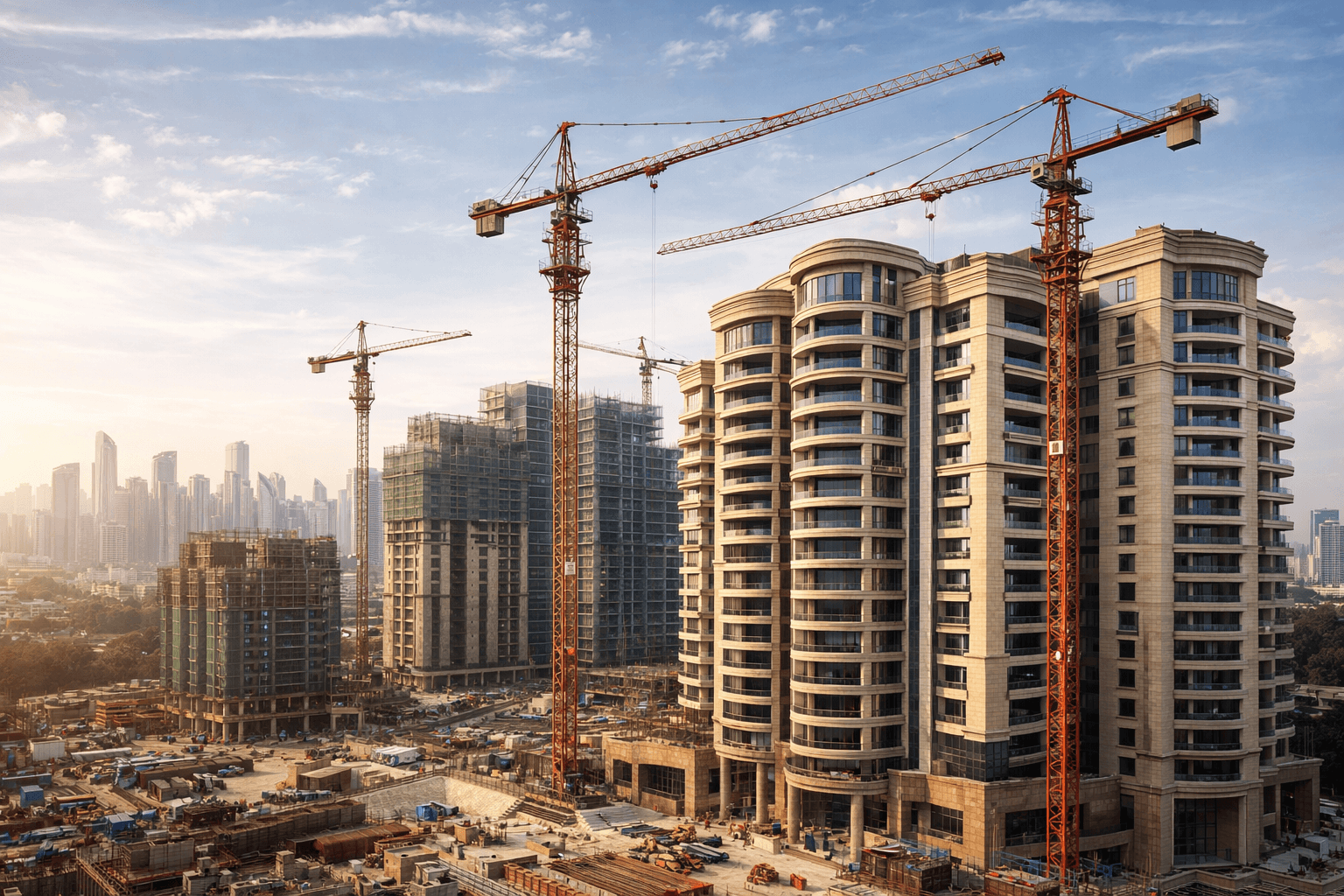
The urban India has emerged as a major consuming segment across all industries and marketers are readily tuning their offerings and strategies to woo them. Urban markets are set to explode in coming years as urban population is expected to grow at about 2.3 per cent during 2006-2016 while the overall population is anticipated to grow at an annual rate of about 1.4 per cent.
Thus, acknowledging urbanisation at such a massive scale facilitates a plethora of opportunities to domestic and foreign majors to invest and expand their presence in Indian urban markets.
The urban markets in India are primarily driven by the youth and their growth is propagated by better infrastructure and facilities disseminated by the Government.
Urban expansion in India is anticipated to pace-up unlike anything the country or the world has seen before. It took nearly 40 years (from 1971 to 2008) for India’s urban population to rise by nearly 230 million; it will take only half that time to add the next 250 million, according a report by McKinsey.
India’s growth story is getting aligned with that of developed nations like the US and Europe and the urban can is playing a pivotal role in this growth. For instance, majority of the foreign luxury brands are eyeing urban Indian markets as the class of high net-worth individuals (HNIs) is expanding in the country.
Government Initiatives
The Indian Government plays a catalytic role in urban development by introducing suitable reforms and supportive incentives. With the 74th amendment to India’s constitution and the Jawaharlal Nehru National Urban Renewal Mission (JNNURM), India took the first steps toward urban reforms.
Well-developed and robust infrastructure forms the thrust of urban development in India. The Government leaves no stone-unturned to ensure the same. It has recently earmarked US$ 1 trillion for investment in the development of the country’s infrastructure.
Also, to ensure that Indian urban markets have sufficient foreign brands to satisfy the corresponding class of customers, FIPB and the Government meticulously check and clear FDI proposals in the country.
Road Ahead
The Indian apparel industry drives maximum of its growth from the demand in urban areas. Rising income levels, young population and increasing preference for branded apparel in urban landscape are certain factors responsible for the strong demand. Currently estimated at US$ 50 billion, the Indian apparel market is expected to grow annually at 13-15 per cent to cross the US$125 billion-mark by 2020, stated a survey by Clothing Manufacturers Association of India (CMAI).
Economic reforms coupled with rapid urbanisation have unleashed a lot of investment and growth prospects in India. A report by Tata Strategic Management Group (TSMG) states that by 2026, the number of million plus cities is expected to increase from 35 in 2001 to 75 in 2026. And their contribution to the total urban population is likely to go up from 48 per cent in 2001 to about 63 per cent in 2026. Thus urban markets will explode and derive growth from consumer-facing industries like FMCG, apparel, household products, personal care and consumer durables.
Exchange Rate Used: INR 1 = US$ 0.01879 as on May 9, 2013
References: Media Reports, Press releases, McKinsey Publication, TSMG report