Advantage India
Robust
Demand
*The country's entertainment and media industry is expected to see a growth of 9.7% annually in revenues to reach US$ 73.6 billion by FY27.
*According to the Telecom Regulatory Authority of India (TRAI), India’s broadband subscriber base reached 106.59 crore (US$ 12.06 million) at the end of March 2026, reflecting continued growth in digital connectivity and broadband adoption across the country.
*In India, the AVoD market grew from Rs. 8,549 crore (US$ 1.03 billion) in 2020 to Rs. 26,975 crore (US$ 3.25 billion) in 2024 and is projected to reach Rs. 53,784 crore (US$ 6.48 billion) by 2030.

Attractive
Opportunities
*The Indian entertainment sector could unlock an estimated Rs. 50,724 crore (US$ 6 billion) in unrealised value by FY30, according to a recent industry report. This growth potential is attributed to international collaboration, technology adoption, and strategic changes in content creation.
*India's Animation and VFX sector is projected to grow from US$ 1.3 billion in FY23 to US$ 2.2 billion by FY26, increasing its share of the media and entertainment (M&E) industry from 5% to 6%.

Policy
Support
*The Government of India has increased the FDI limit from 74% to 100%.
*In February 2026, the Telecom Regulatory Authority of India (TRAI) released its recommendations on the valuation, reserve price and auction framework for spectrum across multiple frequency bands identified for International Mobile Telecommunications (IMT), supporting the next phase of 5G expansion in India.
*Union Budget FY27 proposes setting up AVGC Content Creator Labs (CCLs) in 15,000 schools and 500 colleges, with an investment of Rs. 250 crore (US$ 0.03 billion).

Higher
Investments
*FDI inflows in the information and broadcasting sector (including print media) stood at Rs. 83,414.64 crore (US$ 12,588.46 billion) between April 2000-March 2026.
*India’s online gaming segment is projected to grow from Rs. 260 billion (US$ 3.07 billion) in 2025 to Rs. 288 billion in 2026 (US$ 3.26 billion) and further to Rs. 317 billion (US$ 3.52 billion) by 2027, reflecting sustained growth driven by increasing digital adoption and expanding user engagement.
*In FY26, JioStar plans to invest Rs. 33,000 crore (US$ 3.85 billion) in new content, a move aimed at transforming India’s media landscape with greater focus on Indian-language, localised entertainment and sports.

Introduction
The Indian Media and Entertainment (M&E) industry is a sunrise sector for the economy and is making significant strides. The increasing availability of fast and cheap internet, rising incomes, and increasing purchases of consumer durables have significantly aided the industry. India’s media and entertainment industry are unique as compared to other markets. The industry is well known for its extremely high volumes and rising Average Revenue Per User (ARPU).
India is rapidly emerging as a global creative powerhouse, driven by its talent pool, cultural richness, and technological advancements. According to the EY report titled "A Studio Called India", the country's media infrastructure is expanding, with animation and VFX costs in India being 40% to 60% lower than in the West, supported by a workforce of around 2,60,000 skilled professionals.
This significantly aided the country’s industry and made India leading in terms of digital adoption and provided companies with uninterrupted rich data to understand their customers better. India has also experienced growing opportunities in the VFX sector as the focus shifted globally to India as a preferred content creator.

Proving its resilience to the world, Indian M&E industry is on the cusp of a strong phase of growth, backed by rising consumer demand and improving advertising revenue.
Market Dynamics
India has 2-2.5 million active digital creators influencing over Rs. 29,60,300 crore (US$ 350 billion) in annual consumer spending, which is projected to exceed Rs. 84,58,000 crore (US$ 1 trillion) by 2030.
In the Union budget of FY26-27 the Ministry of Information and broadcasting received Rs. 4,551.94 crore (US$ 515.07 million).
The Indian entertainment sector could unlock an estimated Rs. 50,724 crore (US$ 6 billion) in unrealised value by FY30, according to a recent industry report. This growth potential is attributed to international collaboration, technology adoption, and strategic changes in content creation. According to the Telecom Regulatory Authority of India (TRAI), India’s broadband subscriber base reached 106.59 crore (US$ 12.06 million) at the end of March 2026, reflecting continued growth in digital connectivity and broadband adoption across the country. Indian advertising revenues is projected to grow at a CAGR of 9.4% to reach Rs. 1,58,000 crore (US$ 19.2 billion) in FY28, which is 1.4x the global average of 6.7%.

The online gaming and sports sector in India is growing at a CAGR of 19.2% and is projected to reach Rs. 39,583 crore (US$ 4.8 billion) by FY28.
OTT platform revenues in India are projected to grow at a remarkable CAGR of 14.9%, the highest among the top 15 countries, to reach Rs. 35,061 crore (US$ 4.25 billion) by FY28.
India’s Animation and VFX sector contributed approximately Rs. 10,300 crore (US$ 1.24 billion) in 2024 and is expected to scale to Rs. 14,700 crore (US$ 1.75 billion) by 2027.
Media companies are projected to achieve an 8% revenue growth, reaching US$ 7.14 billion (Rs. 60,000 crore) by FY27, driven by increasing contributions from the digital segment, according to a Crisil analysis of 20 companies that account for 55% of the media industry's revenue.
The Indian M&E sector grew to Rs. 2,78,500 crores (US$ 30.08 billion) in 2025 (a 9.1 % increase YoY). It is projected to grow ~2.8% in 2026 to Rs. 2,86,500 crore (US$ 30.91 billion), and at a ~5.8% CAGR to Rs. 3,30,000 crore (US$ 35.65 billion) by 2028. According to Media Partners Asia's Asia Pacific Video & Broadband Industry 2024 report, India's video market, encompassing both TV and digital, is projected to grow from US$ 13 billion in 2023 to US$ 17 billion by 2028.
In 2025, Digital Media market in India reached US$ 13.13 billion. It is expected to contribute ~38% to the overall advertising industry in India, on par with television.
OTT platform revenues in India are projected to grow at a remarkable CAGR of 14.9%, the highest among the top 15 countries, to reach Rs. 35,061 crore (US$ 4.25 billion) by FY28. In FY26, JioStar plans to invest Rs. 33,000 crore (US$ 3.85 billion) in new content, a move aimed at transforming India’s media landscape with greater focus on Indian-language, localised entertainment and sports.
Digital subscription revenue is projected to grow by Rs. 8,500 crore (US$ 1.02 billion), driven by video OTT subscriptions expanding from 143 million to approximately 191 million households. Meanwhile, TVOD revenues are expected to increase from Rs. 500 crore (US$ 0.06 billion) to Rs. 740 crore (US$ 0.09 billion), while audio OTT subscriptions are set to double, reaching 28–30 million users. Subscription services, which accounted for 90.5% of revenue in 2021, are projected to account for 95% of revenue by 2026.
India released over 1,900 films in 2025, while the country produced almost 200,000 hours of television, film and OTT content, making it one of the world's largest content producers and highlighting the scale of its content creation ecosystem.
According to the Ministry of Information and Broadcasting, the Union Budget 2026–27 reinforces the growth of the Animation, Visual Effects, Gaming and Comics (AVGC) sector through support for the Indian Institute of Creative Technologies (IICT), Mumbai, to establish AVGC Content Creator Labs in 15,000 secondary schools and 500 colleges nationwide. The AVGC sector is projected to require nearly 2 million professionals by 2030, reflecting its strong long-term growth potential.
Indian Over-The-Top (OTT) platforms have demonstrated significant growth in the global market, witnessing a 194% increase in revenue from international viewers over the last two years.
India’s Direct-To-Home (DTH) Services market is expected to expand to US$ 7.59 billion in 2029 from US$ 6.48 billion in 2023, growing at a CAGR of 2.8%.
According to WPP Media’s This Year Next Year (TYNY) 2026 report, India continues to rank among the world’s top 10 advertising markets and is expected to remain one of the fastest-growing globally. The Indian advertising industry is projected to grow by 9.7% in 2026, reaching Rs. 2,01,891 crore (US$ 22.84 billion), driven by the rapid expansion of digital advertising, AI-enabled marketing, commerce media and connected TV.
India’s online gaming segment is projected to grow from Rs. 260 billion (US$ 3.07 billion) in 2025 to Rs. 288 billion in 2026 (US$ 3.26 billion) and further to Rs. 317 billion (US$ 3.52 billion) by 2027, reflecting sustained growth driven by increasing digital adoption and expanding user engagement.
The Indian music industry was valued at around Rs. 6,000 crore (US$ 709.55 million) in FY25 and is estimated to reach Rs. 6,900 crore (US$ 780.76 million) in FY26, reflecting a year-on-year growth of 15.0%. It is projected to grow to Rs. 10,899 crore (US$ 1.3 billion) by FY28, translating into a CAGR of 22.0% from FY25 to FY28.
By 2025, the number of connected smart televisions are expected to reach ~40-50 million. 30% of the content viewed on these screens will be gaming, social media, short video, and content items produced exclusively for this audience by television, print and radio brands. By 2025, ~600-650 million Indians, will consume short-form videos, with active users spending up to 55 to 60 minutes per day.
Recent development/Investments
Recent Developments in the Media and Entertainment Industry are :
- In April 2026, Times Music acquired Punjabi music label Catrack Entertainment, strengthening its regional music portfolio and expanding its presence in the Punjabi music segment.
- In April 2026, JioHotstar expanded its partnership with Warner Bros. Discovery to exclusively launch HBO Max in India, bringing HBO Originals, Max Originals, Warner Bros. Pictures, Warner Bros. Television and DC Studios content to Indian audiences through a single streaming platform.
- In March 2026, the Ministry of Information and Broadcasting showcased India's growing media and entertainment capabilities through the India Pavilion at Hong Kong FILMART 2026, promoting international collaborations in film, animation, VFX and content production.
- In February 2026, the Ministry of Information and Broadcasting inaugurated Akashvani's 10 kW FM transmitter station in Shivamogga, expanding All India Radio's FM broadcasting network in Karnataka.
- In the Union Budget FY27, AVGC Content Creator Labs (CCLs) are proposed to be set up in 15,000 secondary schools and 500 colleges across the country, with an allocated investment of Rs. 250 crore (US$ 0.03 billion).
- A major strategic move includes the Rs. 1,25,000 crore (US$ 15 billion) partnership between Bharti Airtel and Google (2026–2030) to develop an AI hub and digital infrastructure, significantly bolstering content delivery and data processing capabilities.
- In January 2026, Universal Music Group acquired a stake in Excel Entertainment for Rs. 747 crore (US$ 0.09 billion), strengthening its presence in India’s film and music ecosystem.
- In FY26, JioStar plans to invest Rs. 33,000 crore (US$ 3.85 billion) in new content, a move aimed at transforming India’s media landscape with greater focus on Indian-language, localised entertainment and sports.
- FDI inflows in the information and broadcasting sector (including print media) stood at Rs. 83,414.64 crore (US$ 12,588.46 billion) between April 2000-March 2026.
- Pocket FM, an audio series platform, has raised $103 million in its Series D funding round, led by Lightspeed with participation from Stepstone Group
- Disney-owned Star India secured the TV broadcasting rights for the Indian Premier League from 2023 to 2027 through an online bid. During the same period, Viacom 18 won the bid for the digital streaming rights of the Twenty20 League.
- Major tech and e-commerce firms, including Google, Meta, Amazon, and Flipkart, saw their collective ad revenues rise 9% to over Rs. 60,000 crore (US$ 7.13 billion) in FY24.
- The Star-Viacom18 merger deal signed on February 28 will create an US$ 8.5 billion media goliath with a dominating presence in both TV and digital segments.
- Media company Shemaroo Entertainment is planning to spend Rs. 75 crore (US$ 9.1 million) in FY24 to bolster its broadcast and over-the-top (OTT) businesses.
- Newly merged multiplex giant PVR Inox is ready with a plan to add up to 175 new screens and retrofit a host of existing ones at an investment of Rs. 700 crore (US$ 85.1 million) during FY24.
Government Initiatives
The Telecom Regulatory Authority of India (TRAI) approached the Ministry of Information and Broadcasting, Government of India, with a request to fastrack the recommendations on broadcasting, in an attempt to boost reforms in the broadcasting sector. The Government of India has agreed to set up a National Centre of Excellence for the Animation, Gaming, Visual Effects, and Comics industries in Mumbai. The Indian and Canadian governments have signed an audio-visual co-production agreement to facilitate the exchange and exploration of culture and creativity between producers from both countries.
To ease filming in railways, the Film Facilitation Office (FFO) set up in the National Film Development Corporation (NFDC) collaborated with the Ministry of Railways to develop an integrated single window filming mechanism to streamline the permission process for filming across railway premises.
Digital audio-visual content, including films and web shows on over-the-top (OTT) streaming platforms, as well as news and current affairs on online platforms, was brought under the Ministry of Information and Broadcasting in November 2020.
Road Ahead
The Indian M&E industry is on an impressive growth path. The industry is expected to grow at a much faster rate than the global average rate. This can be majorly credited to rising incomes, increasing internet penetration and a growing push toward digital adoption.
In the long run, growth is the M&E industry is expected in retail advertisement on the back of several players entering the food and beverages segment, E-commerce gaining more popularity in the country, and domestic companies testing out the waters. India’s rural regions are expected to be the next regions for growth. India has also gotten on board with 5G and is already planning for 6G well ahead of the future. This push towards digital adoption especially in the rural regions will provide advertisers and publishers with an immense opportunity to capture untapped markets and help grow India’s media and entertainment industry forward.
References: Media Reports, Press Releases, Press Information Bureau, Department for Promotion of Industry, and Internal Trade (DPIIT), Crisil report, EY FICCI Report 2026

FAQs
The Media and Entertainment Industry comprise television, films, OTT platforms, digital media, gaming, animation, VFX, music, radio, publishing, and advertising. India is one of the world's largest content producers, creating nearly 200,000 hours of content and over 1,900 films annually.
The media industry in India is expanding due to affordable internet, rising smartphone usage, higher digital content consumption, increasing advertising spends, and growing creator-led platforms. Rapid broadband expansion and regional language content are further accelerating industry growth.
The Media and Entertainment Industry includes television broadcasting, films, OTT streaming, digital media, gaming, animation, VFX, music, radio, publishing, live events, and advertising. Digital media and OTT are among the fastest-growing segments, driven by changing consumer preferences.
The media industry in India is driven by expanding broadband connectivity, digital advertising, OTT subscriptions, creator-led content, AI-enabled production, regional language entertainment, and strong growth in gaming, animation, and VFX services for global markets.
OTT platforms are reshaping the Media and Entertainment Industry through on-demand streaming, regional content, personalised viewing, and global content partnerships. India's OTT revenues are projected to grow at a 14.9% CAGR through FY28, the highest among the world's top 15 markets.
The Government is supporting the media industry in India through AVGC Content Creator Labs, the Indian Institute of Creative Technologies (IICT), Film Facilitation Office (FFO), broadcasting reforms, and initiatives promoting animation, gaming, VFX, and international co-productions.
The Media and Entertainment Industry offers investment opportunities across OTT platforms, digital media, gaming, animation, VFX, creator economy, AI-powered content, music streaming, sports broadcasting, and advertising technology. Strong FDI inflows and strategic global partnerships continue to strengthen the sector.
Digital media is transforming the Media and Entertainment Industry through the creator economy, short-form videos, AI-driven advertising, connected TVs, social commerce, and influencer-led marketing. India already has 2–2.5 million digital creators influencing over US$ 350 billion in annual consumer spending.
The Media and Entertainment Industry is expected to witness strong long-term growth, led by OTT, gaming, AVGC, digital advertising, and AI-powered content creation. Rising internet penetration, 5G adoption, and India's expanding creator economy will continue to strengthen its global leadership.
Related News
MOREMedia and Entertainment India

Posters
MORE
CINEMA OF THE WORLD
India has one of the largest film industries in the world, produces the largest number of films annually, constitutes the highest number of tickets sold annually and has the second highest screen count in the world.
IBEF Campaigns
MORE

Aatmanirbhar Bharat Utsav 2024
Union Minister of External Affairs, Dr. S. Jaishankar and Union Commerce an...
Case Studies
MORESUV Dominance and the Future of Passenger Vehicles

India's passenger vehicle industry over the past two decades have been gone under significant changes. In particular, the market has been transfor...
Expressway Infrastructure Development Outlook in India
India's vision of becoming a Viksit Bharat by 2047 has positioned transport infrastructure as a cornerstone of its long-term economic growth strat...
The Rise of Contract Manufacturing in India's Electronics Sector
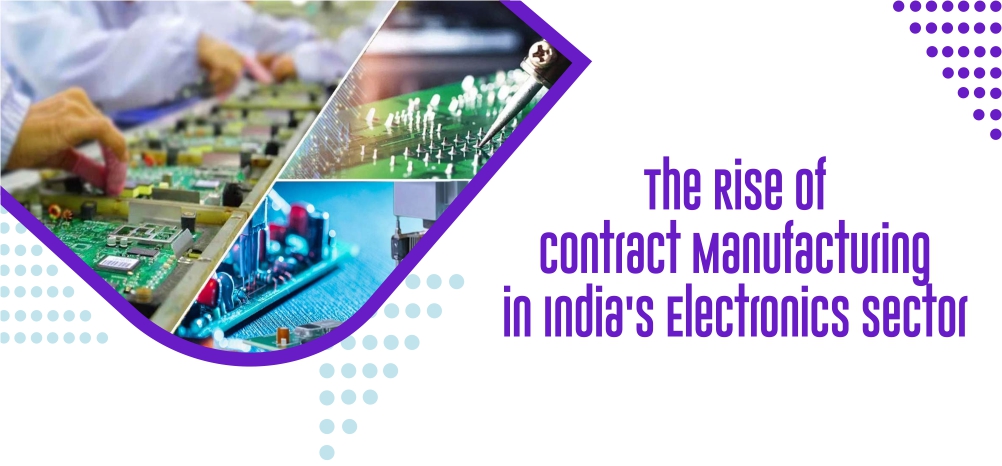
India's rise to become a large center for electronics manufacturing services is one of the most significant manufacturing changes in India's r...
IBEF BLOG
MORE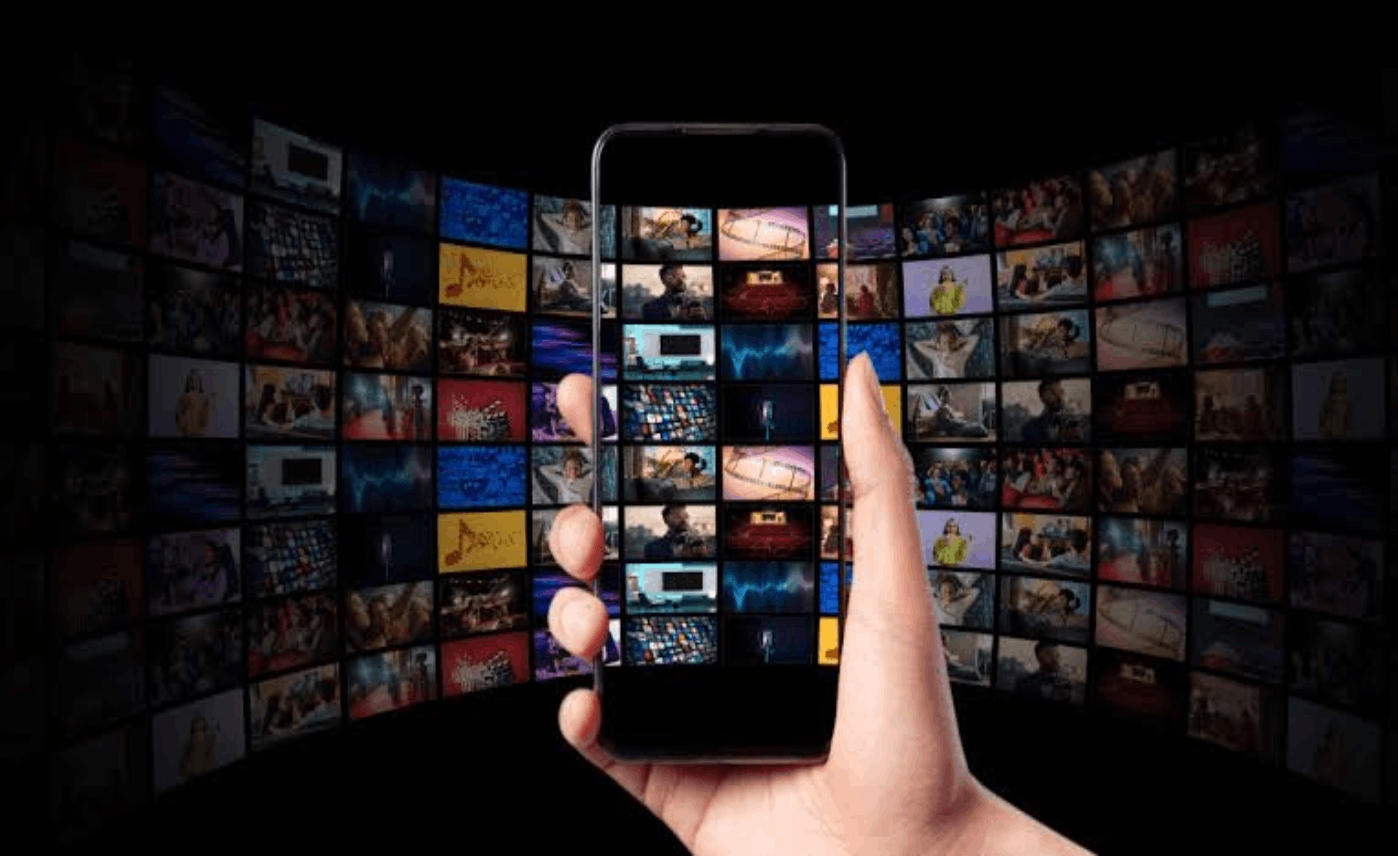
India's Content Economy: Building Global Audiences Through Digital Entertainment
The digital entertainment ecosystem in India is currently experiencing a fu...

Popular Rice Varieties in India: Market Landscape, Key Varieties and Growth Opportunities
Rice is one of the agricultural products which is of importance in India, a...

How the Coffee Board of India Supports Coffee Farmers and Exports
Coffee forms an important crop for Indian plantations, providing a living t...
Partners