Feature Article
Heritage-Led Storytelling: Elevating India’s Exports
Today’s global buyers are increasingly drawn to products with a story, not just a price tag. They want to know where a product comes from, who makes it, and why it matters.

Indian brands are using heritage-led storytelling to build trust and move towards premium positioning in global markets. It helps first-time exporters build trust and stand out in crowded markets.
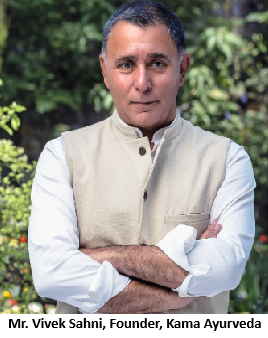
As Mr. Vivek Sahni, Founder of Kama Ayurveda, explains, “International customers do not buy into heritage as folklore. They respond when heritage is presented as a complete system backed by substance. In his early global interactions, Kama Ayurveda positioned itself as a custodian of authentic Ayurvedic knowledge, while backing every claim with transparency on ingredients, processing methods, and clinical validation. This combination of ancient wisdom and modern accountability helped build credibility in sceptical markets.”

How heritage helps first-time exporters
For new exporters, heritage is a practical asset. It builds trust by reassuring buyers about quality and authenticity. It also supports premium pricing because customers are more willing to pay when they understand what makes a product special.
Most importantly, it helps products stand out without competing purely on price.
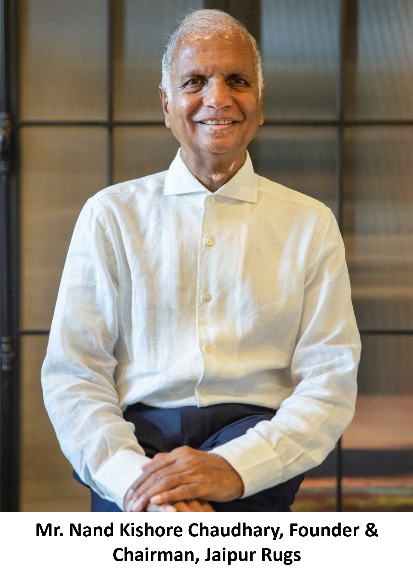
As Mr. Nand Kishore Chaudhary, Founder and Chairperson of Jaipur Rugs, notes, “Trust in global markets came less from marketing and more from conduct. Delivering on commitments, maintaining quality, and respecting artisan livelihoods consistently helped buyers believe in the brand. Over time, this integrity became Jaipur Rugs’ strongest heritage story.”
In terms of first impressions, Jaipur Rugs found that artisanry spoke louder than geography.
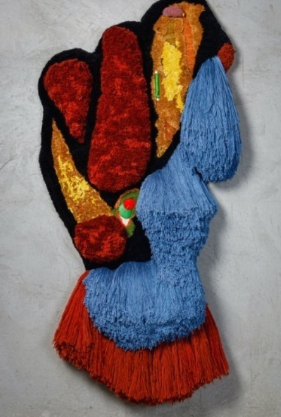
When buyers saw the human hand behind each knot, often made by women working from their homes, the rugs were viewed as works of art rather than commodities. Craft created a shared language that travelled easily across cultures.
Key elements of a strong heritage story
Effective heritage storytelling is grounded in facts, not exaggeration. It begins with origin. Naming the region, craft cluster, or community immediately adds clarity. It then moves to artisanry. Explaining how something is made, by whom, and how long it takes helps buyers appreciate effort and skill. Cultural meaning adds depth, but only when it is relevant and easy to understand. Ethical and sustainable practices further strengthen trust.
According to Ms. Nandita Abraham, Dean at BITS Design School, “Heritage alone does not create value. What matters is how heritage is framed as aspiration and relevance. Global luxury brands succeed by making effort visible. Indian exporters often struggle because the labour, time, and discipline behind craft remain invisible. Making these elements clear helps justify price and build respect.”
Choosing what to highlight is equally important. Jaipur Rugs learned early that not every cultural detail translates globally. The focus was placed on universal ideas such as human effort, patience, and dignity of work. Once buyers connected with these, curiosity about tradition and origin followed naturally.

Sector-wise application of heritage storytelling
Across sectors, the approach remains consistent. In fashion and textiles, exporters can highlight handlooms, embroidery, or natural dyeing techniques, while keeping communication simple. In luxury and handcrafted goods, artisanry, scarcity, and time invested become key signals of value.
In food and beverages, origin-based stories around farms, regions, and traditional recipes build confidence around purity and quality. In design, décor, and lifestyle products, blending modern utility with traditional craft helps products fit global lifestyles.
Ms. Abraham points out that authenticity comes from interpretation, not replication. Products should not freeze culture in time but adapt it thoughtfully. When heritage is forced, it feels like costume. When interpreted well, it feels natural and confident.

Adapting for global markets without losing heritage
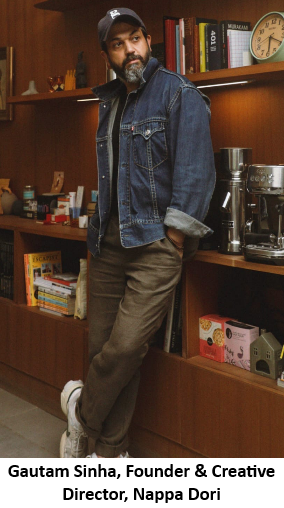
Most successful exporters adapt presentation, not principles. Mr. Gautam Sinha, Founder & Creative Director, Nappa Dori describes how the company refined design language towards clean silhouettes and functional forms for global audiences, while retaining hand-stitched details and craft techniques rooted in Indian heritage.
Kama Ayurveda refined its communication for global customers by moving away from heavy Sanskrit terminology and focusing on therapeutic value in clear language without changing processes. Product formats were modernised, but the core Ayurvedic principles remained intact.
Jaipur Rugs followed a similar path. Designs were adapted to global tastes through soft colours and contemporary layouts, while weaving techniques remained unchanged. Packaging was simplified and used as a storytelling tool, clearly stating who made the rug and why it matters. These adaptations helped global buyers understand the brand without diluting its identity.
What global buyers actually ask
In early conversations, buyers rarely focus on romance or symbolism. Mr. Sinha notes that questions are practical, around who makes the product, how consistent the quality is, whether timelines can be met, and how responsibly materials are sourced.
They ask practical questions. Who makes the product. Is it genuinely handmade. Can quality be delivered consistently. Are artisans treated fairly. Certifications, process transparency, and proof of authenticity matter.
Kama Ayurveda found that overseas buyers wanted to understand how Ayurvedic processing differs from standard extraction, how ingredient combinations work, and whether claims are supported by clinical testing.
Jaipur Rugs observed that buyers increasingly want reassurance about long-term commitment to craft and people, and not just one-time sourcing.
Building confidence through communication
For first-time exporters, the most effective communication often follows a simple order. Mr. Sinha found that samples supported by a clear, well-edited catalogue worked best initially.
Deep digital storytelling reinforced trust only after buyers had experienced the product. Experience first, explanation later. Samples allow buyers to judge quality directly.
Catalogues and product sheets help establish consistency and detail. Storytelling then deepens the relationship.
Jaipur Rugs always led with the product, allowing buyers to touch and see the artisanry before sharing the human story.
Kama Ayurveda combined physical samples with product cards that clearly explained heritage, process, and scientific validation.
Digital platforms then supported this with deeper content, certifications, and origin stories.
Common mistakes to avoid
The most common mistake is overclaiming heritage without substance. Mr. Sinha cautions exporters against overloading products with symbols or stereotypes to signal Indian-ness, noting that refined expression and clarity create far more credibility in global markets. Using buzzwords, exaggerating tradition, or presenting heritage as mystique rather than knowledge quickly erodes trust. Another mistake is trying to say too much at once.
Mr. Chaudhary advises exporters to go deep into one clear narrative instead of spreading themselves thin. Ms. Abraham cautions against assuming that heritage automatically creates desire. Quality, design, and storytelling must work together.
Key takeaways for export success
Heritage-led storytelling works when it is honest, focused, and supported by quality. Origin, process, and meaning form the core of a strong narrative. Clear labels, visuals, and consistent communication build trust over time. Digital tools allow even small exporters to tell these stories globally.
Looking ahead, global demand for authentic and meaningful products continues to rise. Mr. Sinha believes Indian brands can lead by offering quiet luxury, timeless design, and ethical artisanry, allowing heritage to speak through quality and restraint rather than excess. India’s diversity, craft depth, and artisan base offer a strong foundation. As Mr. Sahni notes, machines can be copied, but genuine stories cannot. Exporters who treat heritage with responsibility and clarity can turn their core ‘why’ into a lasting competitive advantage.
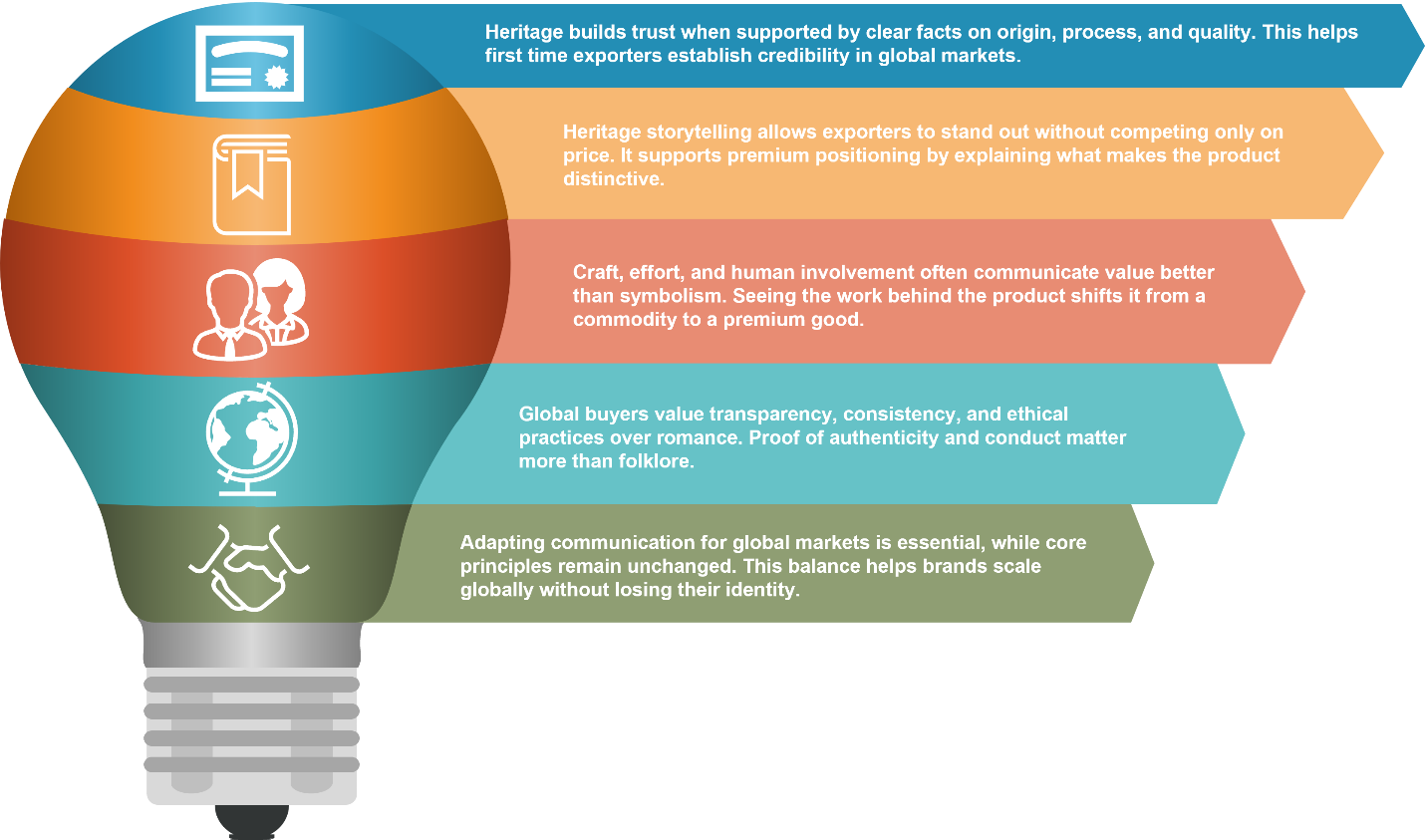
Heritage-Led Storytelling Tips
Disclaimer: This information has been collected through secondary research. The views expressed by the spokespersons are their own and do not necessarily reflect those of IBEF. IBEF is not responsible for any errors in the same.
Get In Touch
Your input is valuable in shaping the future of the IBEF Export Newsletter! Take a moment to share your thoughts and help us bring you more relevant insights, success stories, and export branding strategies.
Contact & Subscriptions: Contact Us
Email us at: info.brandindia@ibef.org
Call: +91 11 43845501
Partners