Industry Overview
Packaging has emerged as the fifth largest sector of the Indian economy, playing a pivotal role in driving industrial growth, innovation, and value creation across FMCG, agriculture, and food processing. Growing at a rapid 22 to 25% annually, the sector is supported by advances in technology, logistics, and rising consumer demand. India has a strong base with over 22,000 packaging units, of which 85% are SMEs, and a robust paper manufacturing ecosystem of more than 850 mills, with 526 operational, producing nearly 25 million tonnes annually. Installed capacity in paper and paperboard stands at about 5 million tonnes, with utilisation levels above 95%, reflecting both scale and efficiency.

Foreign Direct Investment (FDI) and Innovations
The government’s liberalised policies, including 100% FDI through the automatic route, continue to attract overseas investors. Cumulative FDI inflows stood at Rs. 10,783.60 crore (US$ 1,813.89 million) in the Paper and Pulp (including paper) sector between April 2000-March 2026. Industry players are also investing in cutting-edge solutions.
Sustainability Initiatives and Market Trends
Sustainability has become central to the industry’s growth narrative. Nearly three-fourths of India’s paper production already comes from recovered paper and recycled fibre, while government measures to curb plastic use and promote eco-friendly materials are accelerating change. The Council of Scientific and Industrial Research (CSIR), through its National Mission on Sustainable Packaging Solutions, is driving research in sustainable materials, recycling technologies, and advanced testing facilities. Rising demand for food safety and quality, coupled with India’s fast-growing food processing sector, is further boosting the need for innovative and green packaging. The government introduced Extended Producer Responsibility (EPR) guidelines for paper packaging, mandating phased recycling targets for Producers, Importers, and Brand Owners from April 1, 2026. The framework promotes higher fibre recovery, formalised waste management systems, and circular economy adoption, strengthening sustainability compliance across the paper and packaging industry.
Market Dynamics and Future Projections
The packaging industry’s growth is underpinned by India’s expanding middle class, improved supply chain infrastructure, and the rapid rise of e-commerce platforms. Increasing consumption of packaged food, projected to reach Rs. 29,563 crore (US$ 3.4 billion) by 2027, and sustained export demand are adding momentum. During FY26, India’s paper, paperboard and newsprint trade remained strong, with imports reaching 2,552.8 thousand tonnes and exports standing at 1,536.5 thousand tonnes across major grades, including writing and printing paper, kraft paper, coated paper and newsprint. Looking ahead, a mix of technological advancements, sustainable practices, and favourable government policies such as Make in India and MSME-focused incentives position the sector as a key contributor to India’s manufacturing growth and its emergence as a global packaging hub.
Recent Developments
- Growth is driven by surging demand for processed and packaged foods, with domestic packaged-food sales expected to reach Rs. 11,02,610 crore (US$ 1.27 trillion) by 2027.
- In April 2026, Surya Global Flexifilms partnered with SAP and SAVIC to implement SAP S/4HANA RISE, accelerating its transition towards a digitally integrated and intelligent manufacturing ecosystem.
- In March 2026, EPL Limited announced its merger with Indovida, creating a diversified packaging platform valued at approximately Rs. 18,400 crore (US$ 2.0 billion) with annual revenues of around Rs. 9,200 crore (US$ 1.0 billion).
- In December 2025, SIG commenced full operations at its first aseptic carton manufacturing plant in Ahmedabad, Gujarat, strengthening its presence in India’s dairy and beverage packaging market and supporting regional exports.
- In November 2025, TCPL Group launched Accura Technik Pvt. Ltd., a high-tech gravure cylinder manufacturing unit in Silvassa.
- The facility, equipped with advanced electro-mechanical and laser engraving systems, enhances TCPL’s precision printing capabilities and strengthens integration across flexible packaging operations.
- February 2025 - Tetra Pak: Introduced packaging with 5% ISCC PLUS certified recycled polymers, aligning with April 2025 plastic-waste compliance rules.
- January 2025 - Huhtamaki India: Hosted 2nd Think Circle forum with CII to accelerate design-for-recycling standards for flexible packaging.
- January 2025 - Canpac Trends: Acquired Saptagiri Packagings, adding blister-backer cards and a Silvassa plant to strengthen western-India operations.
- December 2024 - JK Paper: Merged Horizon Packs, Securipax Packaging, and JKPL Utility Packaging; acquired Radhesham Wellpack to expand corrugated packaging capacity.
- In May 2024, Andhra Paper Ltd. signed a Rs. 125 crore (US$ 14.4 million) deal with Sweden’s Valmet AB for a tissue paper production line, following its Rs. 270 crore (US$ 31.1 million) investment approval for a 100-ton daily capacity machine at its Andhra Pradesh facility.
- Oji India Packaging Pvt Ltd inaugurated its fifth facility in the country at Sri City in Andhra Pradesh. The factory will produce corrugated boxes and packaging accessories and employ approximately 300 people in the region.
- In January 2024, Rigid plastic packaging solutions provider Mold-Tek Packaging Ltd (MTPL) opened three manufacturing facilities in Cheyyar (Tamil Nadu), Sultanpur (Telangana), and Panipat (Haryana). The facilities will increase the business’ capacity to 5,500 tons annually, bringing the overall capacity to 54,000 tons annually by FY25. The company invested about Rs. 100 crore (US$ 11.5 million) in these units.
- February 2023: Cosmetics and hair care brand Revlon developed a new package for its 'Top Speed' hair color range exclusively for the Indian market. The brand unveiled a new visual identity for products across India in the coming years.
Government Initiatives
The government has launched the National Packaging initiative, which focuses on the following measures to promote the sector:
- In April 2026, FSSAI proposed amendments to its Packaging Regulations, 2018, encouraging the use of eco-friendly materials such as paper, paperboard and cellulose for pan masala packaging.
- On September 29, 2025, the Department of Posts signed a strategic MoU with the Indian Institute of Packaging (IIP) to promote sustainable packaging solutions and improve efficiency in postal logistics.
- The Union Cabinet approved a Rs. 1,788 crore (US$ 204.8 million) project to establish a new banknote paper production line in Narmadapuram to strengthen domestic manufacturing of high-security paper.
- Set up guidelines and certain requirements for design and material of packaging used
- Promote the process of moving in bulk quantities
- Focus on promotion of centralized industrial activity by encouraging application of necessary and sophisticated infrastructure such as specialized logistic parks with appropriate facilities as well as packaging labs to work on designs and carry out tests
- Encourage processes to reduce packaging waste by establishing material recovery facilities (MRFs)
- Support domestic business to manufacture sophisticated packaging materials
- Develop training facilities and certified programs of the highest order to maintain availability of skilled labour
Road ahead
The outlook for India’s paper and packaging industry remains highly promising, supported by a growing population, rapid urbanisation, and rising disposable incomes. The boom in e-commerce and packaged food consumption is driving robust demand, while an increasing emphasis on sustainability is encouraging innovation in eco-friendly materials and practices. Government initiatives such as Make in India, MSME support, and large-scale infrastructure development are expected to further strengthen manufacturing capacity and streamline supply chains. Advances in technology are enhancing efficiency and quality standards, and rising export potential is opening new avenues for global expansion. Although challenges such as volatile raw material prices and competition from alternative materials persist, continued investments and a strong sustainability focus position the sector to consolidate its global standing and drive long-term growth.
Note: Conversion rate used in May 2026, Rs. 1 = US$ 0.010482
References: Media Reports, Press Releases, Deloitte report, Department of Industrial Policy and Promotion website, India Paper Manufacturer Association (IPMA),

Packaging Industry Association of India (PIAI), Indian Flexible Packaging & Folding Carton Manufacturers Association (IFCA), All India Plastic Manufacturers Association (AIPMA)
FAQs
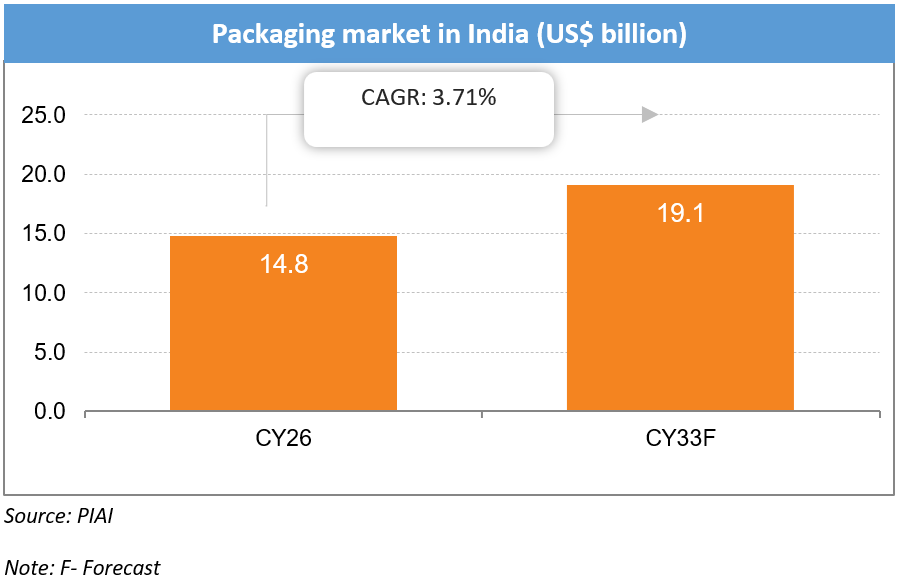
The paper industry in India is projected to reach US$ 19.1 billion by 2033, driven by strong demand from packaging, FMCG, e-commerce and education sectors.
The paper and packaging industry in India is driven by rising demand from e-commerce, FMCG, food delivery, pharmaceuticals, organised retail and sustainable packaging solutions.
Sustainability is transforming the paper industry in India through greater adoption of recycled fibre, eco-friendly packaging, circular economy practices and Extended Producer Responsibility (EPR) regulations.
Packaging paper and paperboard remain the fastest-growing segments in the paper industry in India, supported by strong demand from FMCG, e-commerce and food packaging applications.
The paper industry in India is supported by EPR guidelines, food-grade packaging regulations, raw material duty rationalisation and infrastructure investments that promote sustainable growth.
The paper and packaging industry in India is adopting automation, digital manufacturing and recyclable packaging technologies to improve efficiency, product quality and sustainability.
The outlook for the paper industry in India remains positive, supported by growing packaging demand, manufacturing expansion, sustainability initiatives and increasing investments in advanced production technologies.
Related News
MOREIBEF Campaigns
MORE

Case Studies
MOREIndia’s Growing Senior Care Needs: New Businesses and Services
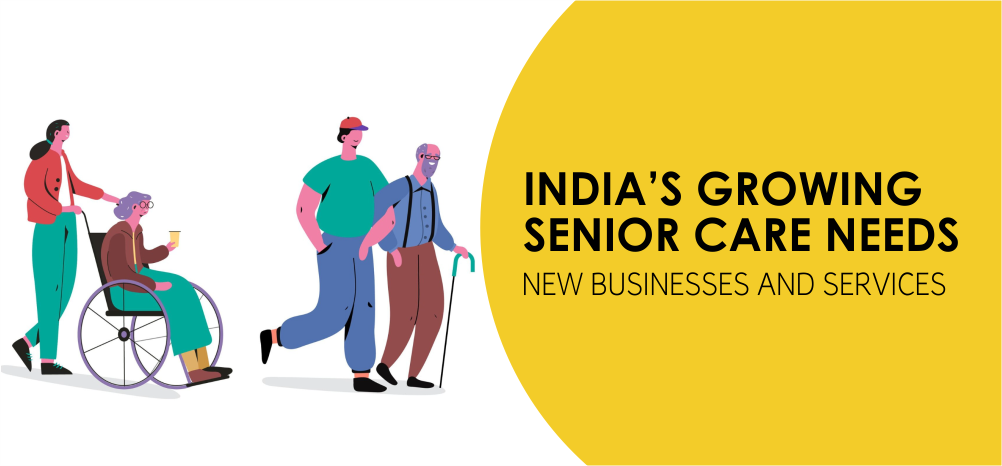
The current state of India is characterised by the process of demographic transition with gradual growth of the proportion of senior citizens within t...
The Rise of India's Pathology Laboratories: Strengthening Quality and Safety in Healthcare

India has seen its healthcare system witness an impressive evolution in the last two decades because of the growth in healthcare infrastructure, incre...
SUV Dominance and the Future of Passenger Vehicles

India's passenger vehicle industry over the past two decades have been gone under significant changes. In particular, the market has been transfor...
IBEF BLOG
MORE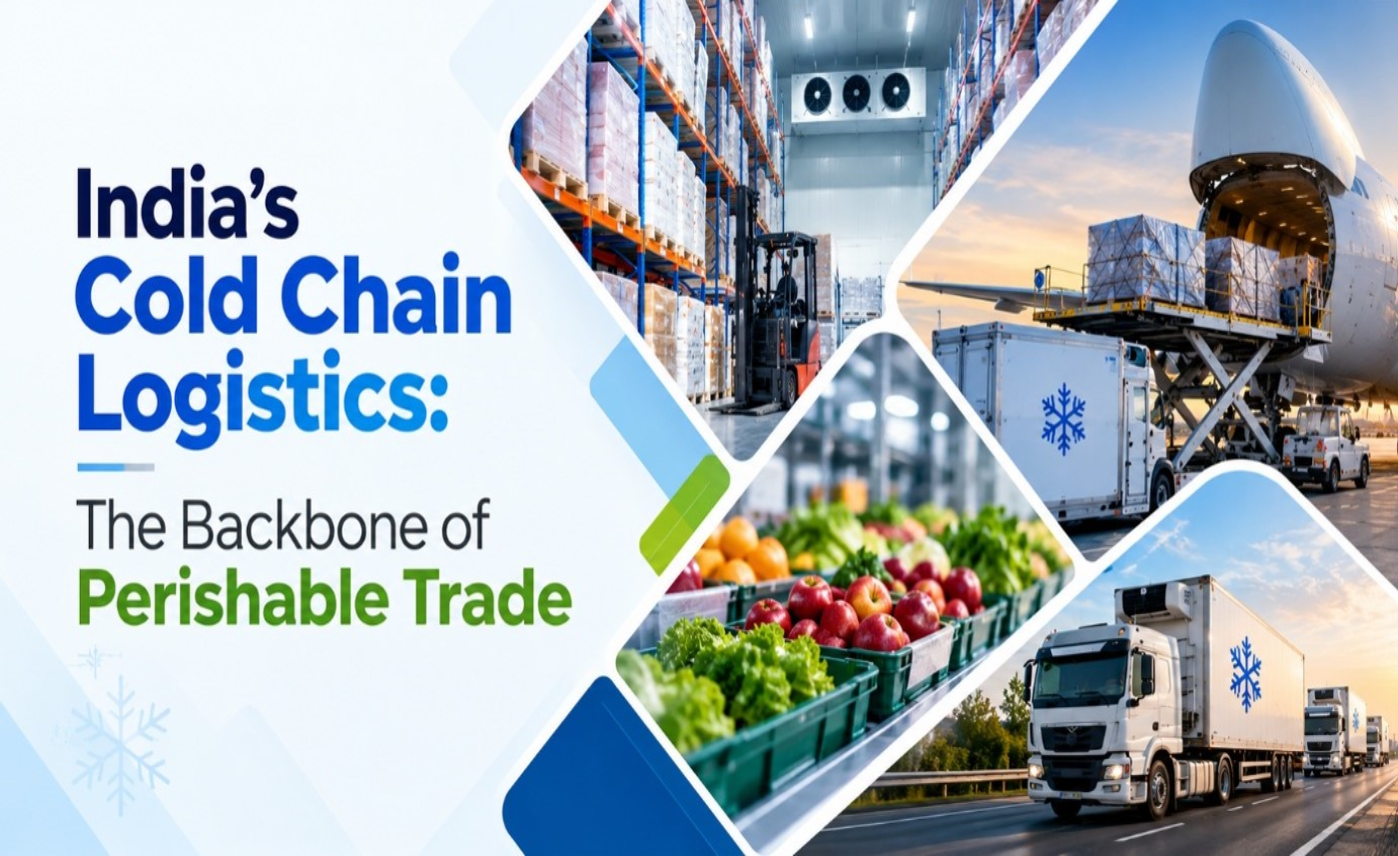
India's Cold Chain Logistics: The Backbone of Perishable Trade
India's cold chain network allows the transfer of perishables from farm...
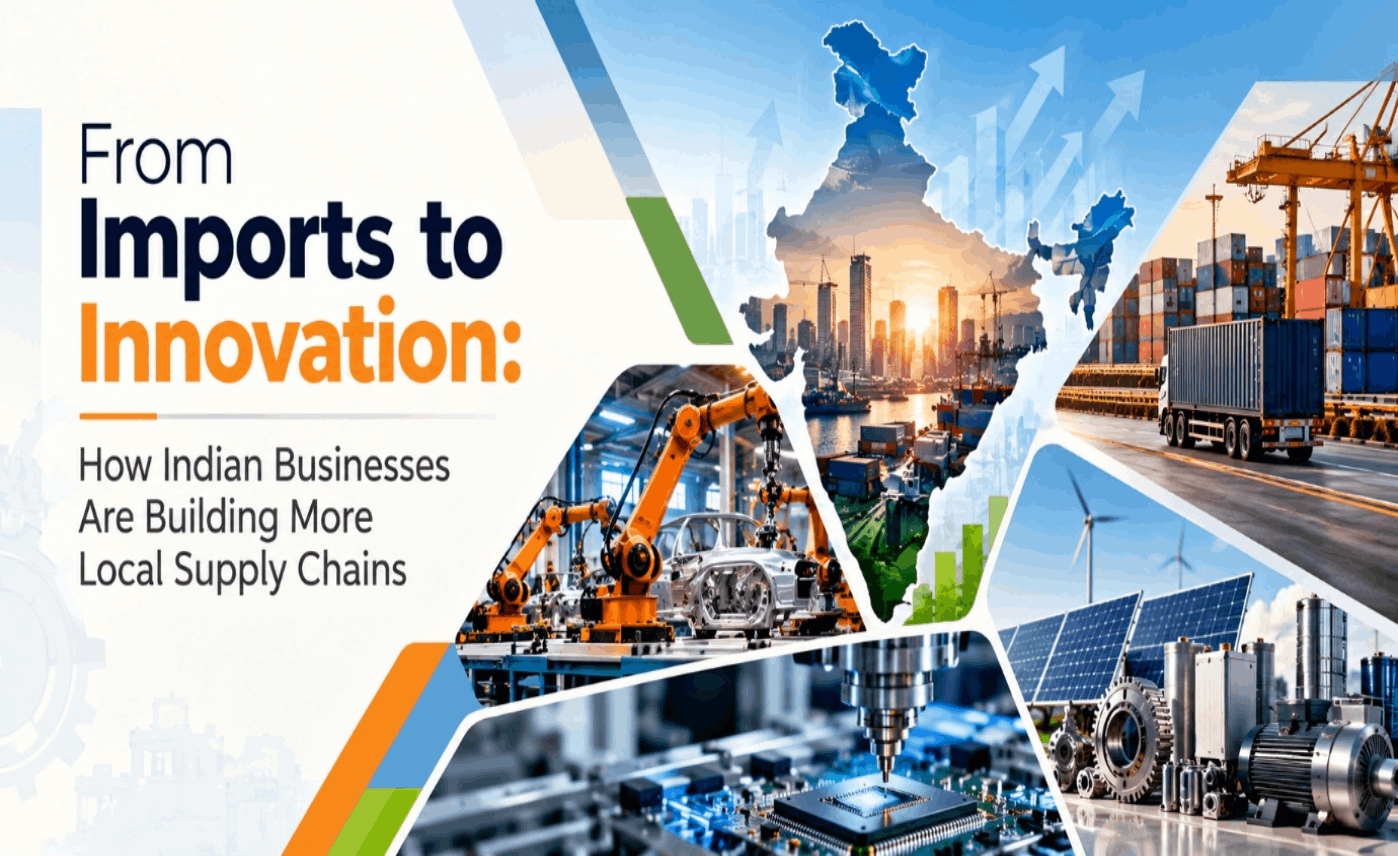
From Imports to Innovation: How Indian Businesses Are Building More Local Supply Chains
Indian companies have been able to substitute their imports with locally ma...

The Rise of Organic Personal Care Products Among Indian Consumers
The Indian consumer is increasingly opting for organic and natural beauty p...
Partners