Industry Trends
Global trade is evolving. Thanks to the internet and improved logistics, exporting is no longer limited to large corporations. Today, even small businesses, rural entrepreneurs and local artisans can reach overseas customers through e-commerce and global marketplaces. Analysts estimate that online sales will account for over 20% of global retail in the near term, as digital tools continue to lower barriers to entry and broaden participation in cross-border trade. As a result, a wider set of firms, including digital-first startups and micro-exporters, are becoming active participants in the global export economy.
The Rise of Non-Traditional Exporters
Digital platforms are lowering barriers
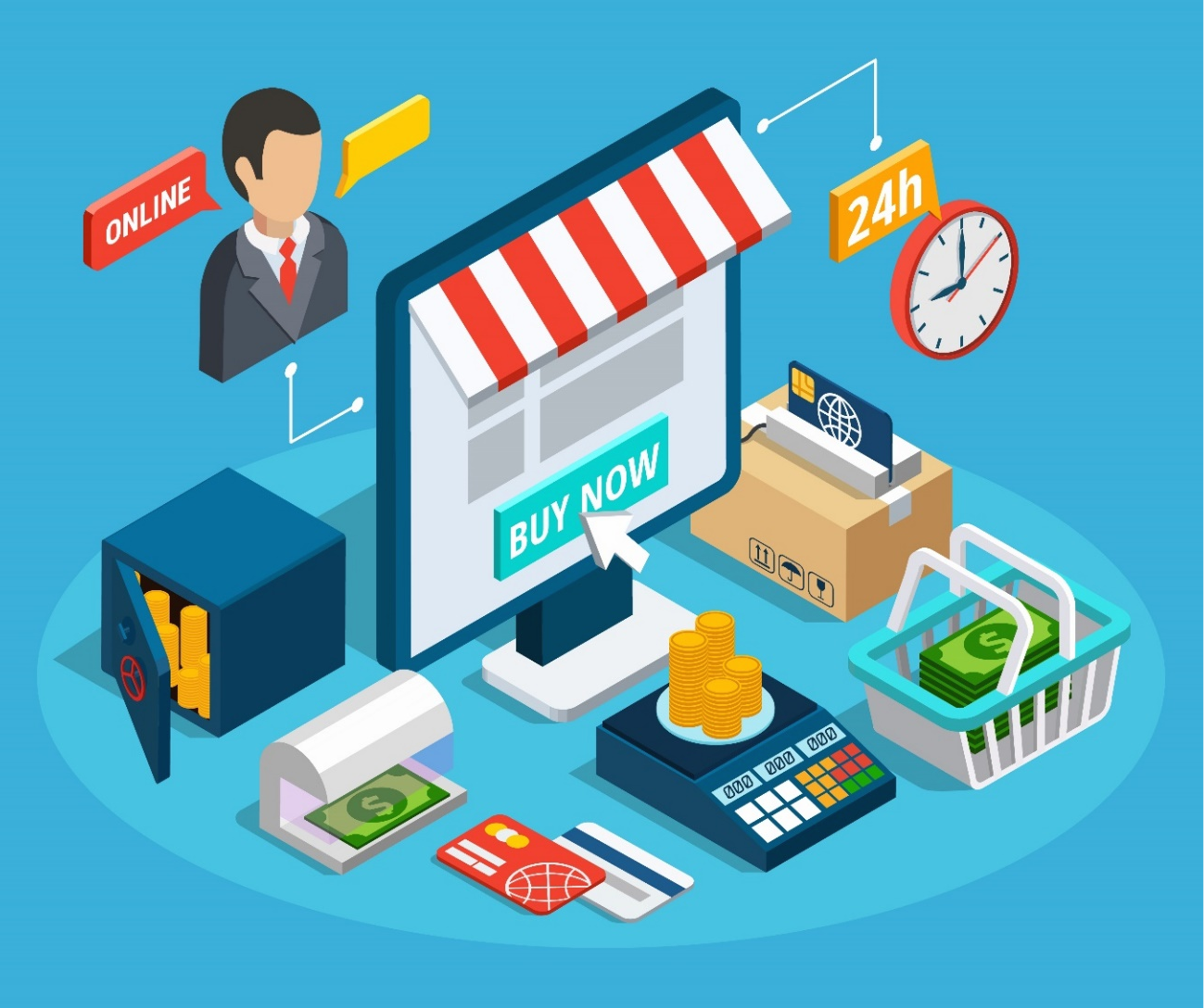
Online marketplaces and digital services have “democratised” exporting. Amazon, Alibaba, eBay, Etsy, and others connect small sellers directly with buyers in dozens of countries. For example, Amazon’s Global Selling program (launched in 2015) lets Indian micro, small and medium firms list products in 18 foreign markets. A local handicrafts maker or garment exporter can open a digital shop on these platforms and access customers in the United States (U.S.), Europe, or the United Arab Emirates (UAE) without needing a brick-and-mortar presence there. Payment processors (PayPal, Stripe, UPI) further simplify this process by allowing sellers to accept foreign currency and receive it instantly. Logistics partners and postal services have improved cross-border shipping (e.g. ePacket delivery) so that sending overseas parcels is cheaper and faster. Hence, many small firms that could never export before are now doing so. In one survey involving Southeast Asian Micro, Small, Medium Enterprises (MSMEs), 88% said they could not export at all without e-commerce.
- Online marketplaces – Amazon (via its Global Selling program) and Alibaba let even micro vendors list products for global customers.
- Digital payments – PayPal, Stripe or India’s UPI let small exporters easily receive foreign currencies and get paid quickly.
- Logistics networks – Global courier services and postal reforms have cut delivery times and costs on overseas orders.
- Government support programs – Many governments now offer training, grants and easier rules for small exporters. For example, the South Australian government’s “eCommerce Accelerator” provides funding and mentoring to help MSMEs sell online abroad.
These enablers mean any business with an internet connection can market overseas. Even niche brands or one-person shops can build a global customer base.
Explosion of cross-border e-commerce
The impact of these changes is evident in the numbers. Worldwide cross-border e-commerce is booming, and it has weathered recent economic slowdowns. In Asia-Pacific alone, in 2020, consumers bought ~US$ 476 billion of goods from foreign online sellers, ~31% of the region’s total online retail sales. Growth is expected to continue. According to Shopify, global e-commerce sales are projected to increase from US$ 6.42 trillion in 2025 to US$ 7.89 trillion by 2028, with online channels expected to account for approximately 22.5% of total retail sales by 2028. Importantly, exports are coming from diverse sources. Research shows companies in emerging markets rely heavily on exports: one-third of all e-commerce sales by Latin American and Caribbean firms come from foreign markets (versus one quarter for North American companies). In short, exporters are no longer concentrated in a few big economies.
The table below illustrates how global firms use online sales to reach abroad:
| Region/Market | Share of sales via cross-border e-commerce |
|---|---|
| Latin America & Caribbean | ~33% |
| Asia-Pacific | ~30% |
| Middle East & North Africa | ~29% |
| North America | ~28% |
| Europe | ~25% |
Beyond scale, the geography of online trade is also widening. In 2022, ~31% of consumers’ most recent cross-border online purchase came from a seller outside the traditional top five exporting countries (China, USA, Germany, United Kingdom, France) up from 23% in 2016. This means global buyers are increasingly shopping from a broader set of countries, and sellers from new markets are finding customers.
The India experience
India provides a vivid example of the non-traditional export trend. Over the past few years, many small Indian firms have begun shipping products overseas directly. Amazon reports there are now 2,00,000 Indian sellers (October 2025) active on its global export platform, a 33% increase in a year. Those sellers collectively have exported over US$ 20 billion of goods by 2025, ahead of the original target. Top product categories include cosmetics, toys, home goods, and apparel, many of which grew more than 35% YoY. Crucially, this boom is not only from big cities. Small manufacturing hubs contribute large volumes: in 2024, the twin towns of Panipat and Karur, neither a major metro, together exported ~US$ 160 million of goods through online channels.
India’s government and central bank have also made it easier for small exporters to sell globally. New regulations now allow small merchant exporters more time (previously four months; now up to six months) to remit foreign earnings and simplify end-of-transaction reporting for shipments under Rs. 10 lakh. The Reserve Bank of India has even encouraged use of the Indian rupee for cross-border trade. Such reforms “reduce compliance burden for MSME exporters.” Measures such as export training, digital payment infrastructure (e.g. UPI), and promotion of Indian brands abroad help India’s small producers grow as exporters.
- Fast-growing exporter base: Amazon India’s export platform grew to 2,00,000 sellers (MSMEs) by 2025.
- RBI reforms: Rules now allow simpler handling of small export receipts and promote settlement in INR.
- New export hubs: Dozens of small cities (Panipat, Bhadohi, Karur, Erode), and not traditional ports, now send goods overseas.
- Export goals: Indian exporters (especially SMEs) are targeting new milestones – Amazon now aims for US$ 80 billion of exports by 2030, driven by this grassroots expansion.
Overcoming remaining barriers
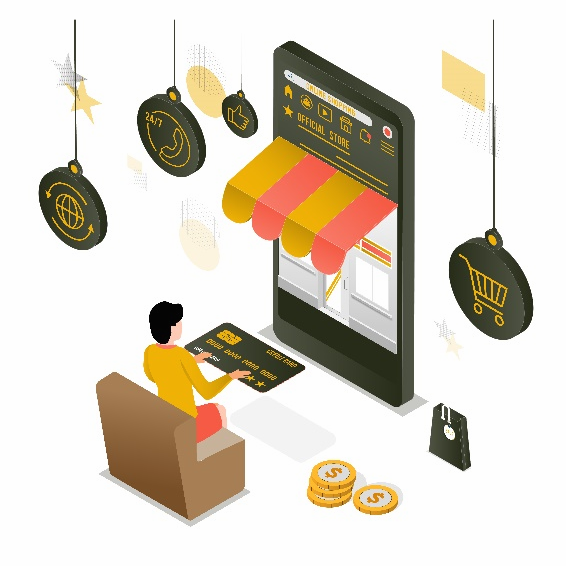
Small exporters still face disadvantages: high shipping costs per unit, customs complexities, or trade tariffs can bite harder on low-volume sellers. For example, recent U.S. tariffs raised duties on certain Indian textile and jewellery exports, pressuring small exporters. Governments and international bodies are aware of these issues. Programs like credit guarantees, training workshops, and bilateral e-commerce agreements are being discussed to level the playing field. In fact, experts emphasize that further support can unlock more potential: one analysis found that if more Southeast Asian SMEs ramp up online exports, annual cross-border sales could triple over five years.
Despite these hurdles, the trend is clear. Small and niche exporters are now an integral part of global trade. As one Amazon executive noted, for e-commerce exports the story “is still day one,” meaning the shift toward new exporters has only just begun.
With improved digital technology and governments backing small firms, we can expect the ranks of non-traditional exporters to keep growing worldwide.
Key Takeaways: Digital and policy changes are opening export markets to more participants. Online marketplaces and payment systems give micro and small businesses access to customers. Cross-border e-commerce is expanding rapidly (regional shares and forecasts highlight this trend). India’s example shows how even rural producers can ship abroad when given the right tools (Amazon reports 200k+ small Indian exporters). To continue this momentum, ongoing support (training, financing, trade facilitation) will be crucial.
Disclaimer: This information has been collected through secondary research. The views expressed by the spokespersons are their own and do not necessarily reflect those of IBEF. IBEF is not responsible for any errors in the same.
Get In Touch
Your input is valuable in shaping the future of the IBEF Export Newsletter! Take a moment to share your thoughts and help us bring you more relevant insights, success stories, and export branding strategies.
Contact & Subscriptions: Contact Us
Email us at: info.brandindia@ibef.org
Call: +91 11 43845501
Partners