SEARCH
RECENT POSTS
Categories
- Agriculture (39)
- Automobiles (20)
- Banking and Financial services (36)
- Consumer Markets (57)
- Defence (6)
- Ecommerce (21)
- Economy (72)
- Education (14)
- Engineering (9)
- Exports (22)
- Healthcare (25)
- India Inc. (10)
- Infrastructure (31)
- Manufacturing (33)
- Media and Entertainment (17)
- Micro, Small & Medium Enterprises (MSMEs) (16)
- Miscellaneous (31)
- Perspectives from India (37)
- Pharmaceuticals (5)
- Railways (5)
- Real Estate (20)
- Renewable Energy (19)
- Research and Development (12)
- Retail (1)
- Services (7)
- Startups (16)
- Technology (66)
- Textiles (8)
- Tourism (16)
- Trade (9)
Authors






How Emerging Railway Food Services Are Improving the Passenger Experience
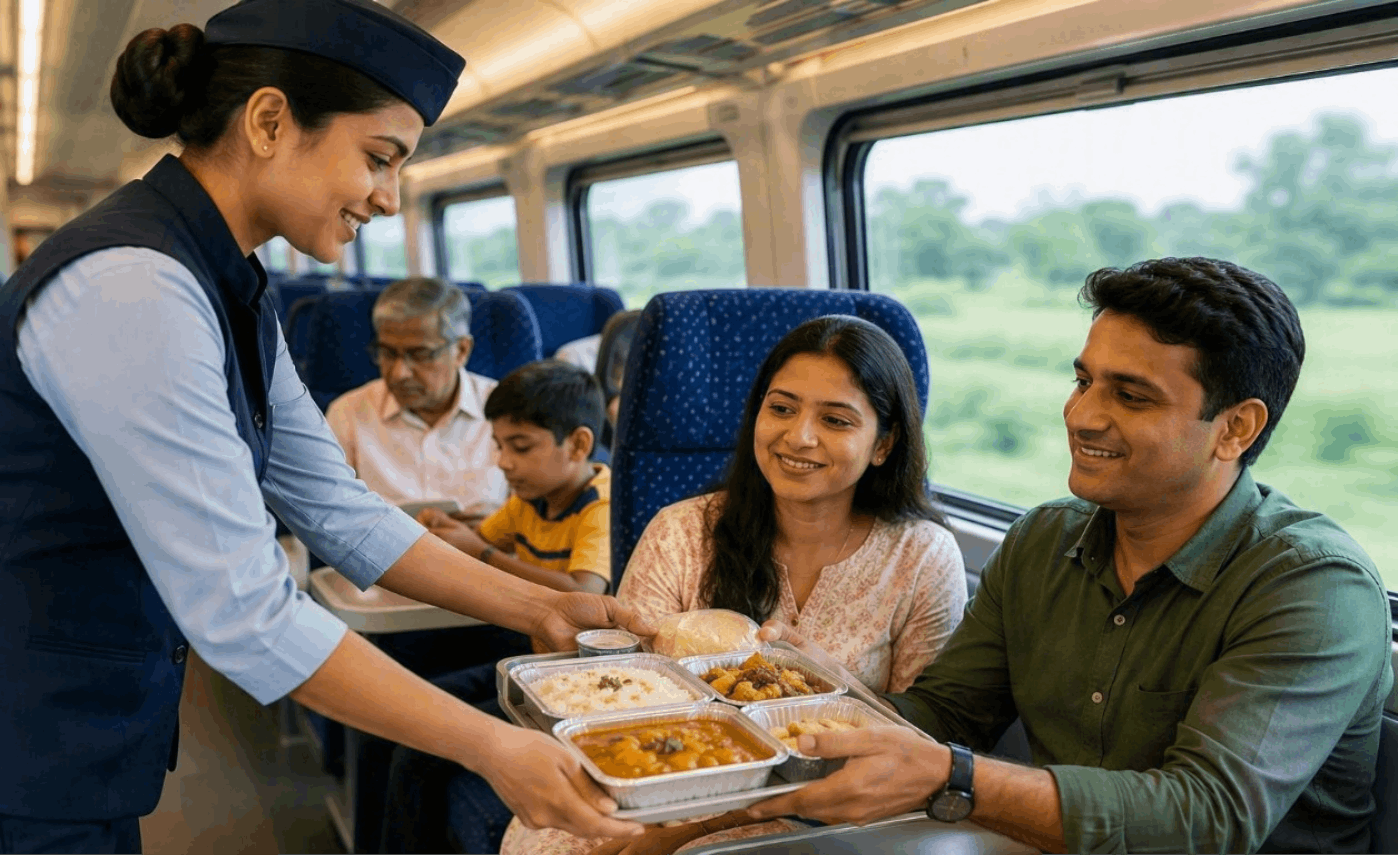
Indian railways food services have been witnessing a paradigm shift enabled by the digital way of ordering, enhanced catering networks and better focus on the quality of food served and passenger convenience. E-Catering, E-Pantry, and technology-enabled delivery are some of the factors which are making the Indian railways food services more organized and customer-friendly.
Indian Railways transport more than 720 crore passengers per year, while IRCTC caters to more than 58 crore meals per year. With more digitization and changing passenger expectations, railway catering is becoming a crucial part of the passenger journey. And now, with the advancement in technology, hygiene, and service standard are playing a vital role. Thus, there is immense scope for businesses in this sphere. Some of the examples of such businesses include food service platform, food chain restaurant, regional kitchen and technology-enabled aggregators.
Why Railway Food Services Matter
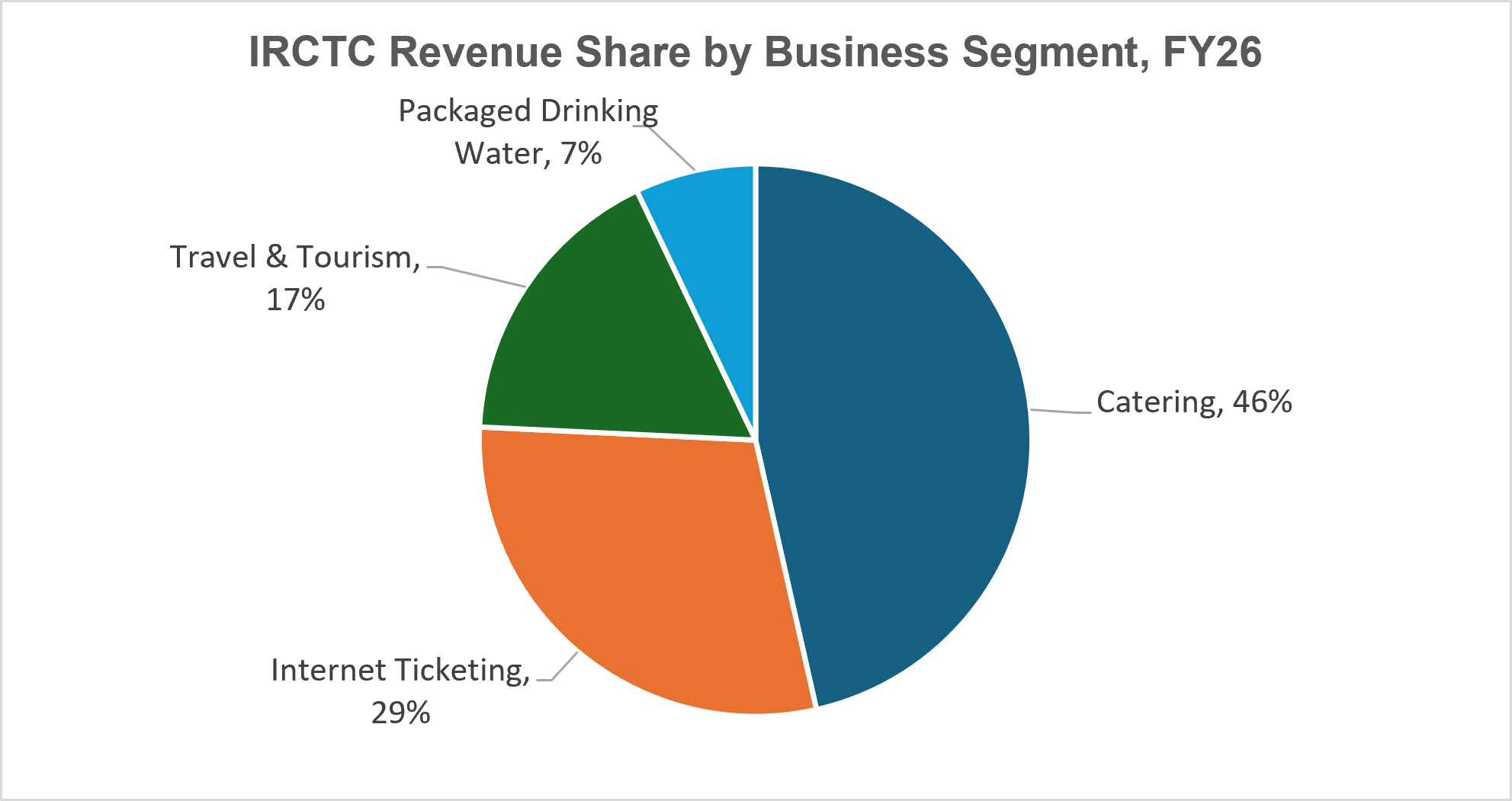
Catering is a major contributor to IRCTC’s revenue, accounting for 46% of the company’s revenue share in FY26. IRCTC reported FY26 revenue from operations of Rs. 5,215 crore, with EBITDA of Rs. 1,666 crore and profit after tax (PAT) of Rs. 1,393 crore. The catering business includes mobile catering on premium and mail-express trains, static catering services such as Jan Ahar, food courts and refreshment rooms, as well as e-catering through partner restaurants.
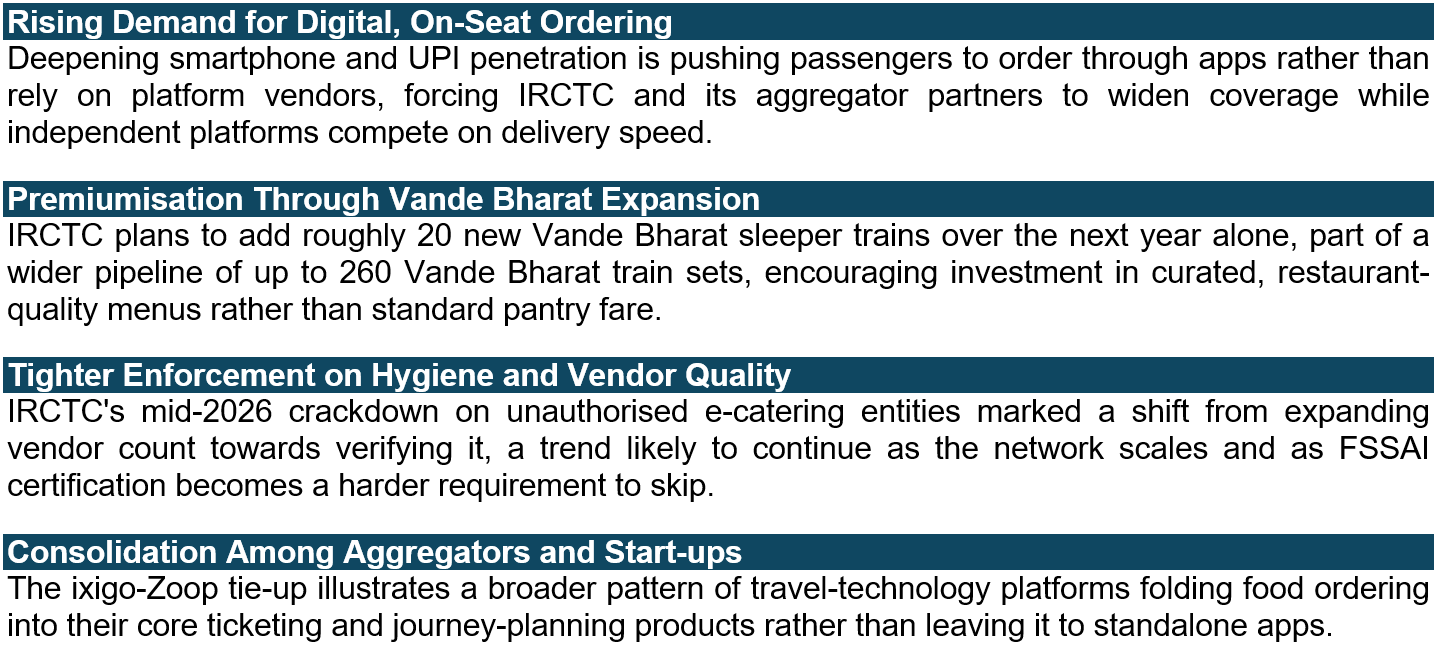
This has been made possible through e-catering where passengers order their meals online and receive them at their seats as opposed to ordering them in pantry cars and stations. The average number of orders per day has increased from 1.25 lakhs to more than 1.6 lakhs orders per day. As of April 2026, e-catering is available in more than 400 stations through 629 direct vendors and 5,604 vendors that have been onboarded via 13 aggregators including Zomato and Swiggy, a vendor pool that has been narrowed down in the second half of 2026 following the move by IRCTC against unauthorized vendors.
Source: IRCTC
Government Initiatives and Policies Driving Change
Several coordinated measures by the Ministry of Railways and IRCTC are standardising and expanding food services across the network.
- e-Pantry service: In case of the majority of Mail and Express trains which do not have a pantry car, IRCTC's e-Pantry service allows passengers to book their meals online when they are purchasing tickets. Launched in stages from March 2025, this initiative has now reached more than 50 trains, with a total of 1.23 lakh bookings made so far. A complete refund will be provided if the pre-booked meal does not reach the passenger.
- Onboard catering in Vande Bharat and premium trains: Onboard catering will be introduced along with every batch of Vande Bharat rakes, with region-specific, millet-based menus keeping in mind the importance of nutrition. All food vendors and base kitchens will have to comply with FSSAI certification requirements, with all complaints of passengers reported through the Rail Madad platform and the government CPGRAM portal.
- One Station One Product (OSOP): Indian Railways is developing a marketplace for the country's artisans, weavers and small producers through its railway stations. There are now more than 2,300 OSOP outlets operating in more than 2,000 stations, thereby benefiting more than 1.54 lakh artisans, with an approximate sale of Rs. 162.39 crore recorded. Through its national market platform for the regions' handicrafts, handlooms, traditional items and local food products, OSOP helps in promoting grassroots entrepreneurship, preserving traditional arts and crafts, and providing greater market opportunities for local artisans.
- Infrastructure development: The bottled water capacity of Rail Neer will be increased by 25-30 percent in about 18 months through four new plants sanctioned for FY27, while the Amrit Bharat Station Scheme will upgrade catering and passenger infrastructure of more than 1,300 stations, supported by record capital spending by railways amounting to US$ 30.88 billion (Rs. 2,93,000 crore) in Union Budget 2026-27.
Key Players in India's Railway Food Services
IRCTC continues to be the regulatory body for the entire ecosystem, though the marketplace around it has expanded substantially. Aggregators at the national level like Zomato and Swiggy, food chain restaurants, and certain IRCTC-approved train food ordering platforms such as Zoop, TravelKhana, RailRestro, RailMitra, and Rajbhog Khana fight against each other for the same delivery service for their respective seating sections, where customers place orders according to their PNR numbers. Consolidation has already begun as a travel technology company ixigo took over a majority stake in Zoop in October 2024, and till mid-2025, the two companies have been conducting joint marketing campaigns through ConfirmTkt platform, where festival-specific train food delivery was one of the examples, indicating that ticket booking and food orders are coming to one travel-commerce platform.
Growth Drivers and Key Trends
Outlook and Road Ahead
India’s railway food-services ecosystem is moving towards a more integrated, technology-enabled and passenger-centric model. The expansion of e-catering and e-Pantry services, alongside digital ordering and real-time tracking, is expected to improve accessibility and convenience for passengers. The expansion of Vande Bharat and station redevelopment, along with stronger hygiene standards and initiatives such as One Station One Product (OSOP), is likely to create further opportunities for organised catering, regional food businesses and technology-enabled services. Going ahead, consistency, service quality and technology integration are likely to define the next phase of growth in India’s railway food-services ecosystem.
FAQs
What is IRCTC e-Catering, and how does it work?
IRCTC e-Catering lets passengers order food online through the IRCTC website, the Food on Track app, or by calling 1323, with meals delivered to their seat. As of April 2026, it covered more than 400 stations through 629 direct vendors and 5,604 vendors via 13 appointed aggregators.
What is the e-Pantry service, and which trains does it cover?
e-Pantry lets passengers on select Mail and Express trains without pantry cars pre-book meals online at the time of ticket booking. Launched in phases from March 2025, it now covers more than 50 trains and assures a full refund if a pre-booked meal is not delivered.
Besides IRCTC, which companies let passengers order food on trains?
Passengers can also order through national aggregators Zomato and Swiggy, or dedicated train-food platforms such as Zoop, TravelKhana, RailRestro, RailMitra and Rajbhog Khana, all operating as IRCTC-authorised e-catering partners.
How is food quality regulated on Indian Railways?
All food partners and base kitchens must hold FSSAI certification and undergo hygiene checks. IRCTC cracked down on 14 unauthorised e-catering entities in mid-2026, and complaints can be raised through Rail Madad, CPGRAM, or the National Consumer Helpline.
What is the One Station One Product (OSOP) scheme?
OSOP sets up outlets at railway stations to sell local and regional products, including food specialities. As of July 2026, it covered over 2,000 stations through around 2,326 outlets, benefiting more than 1.32 lakh artisans.
Partners