SEARCH
RECENT POSTS
Categories
- Agriculture (39)
- Automobiles (20)
- Banking and Financial services (36)
- Consumer Markets (57)
- Defence (6)
- Ecommerce (21)
- Economy (72)
- Education (14)
- Engineering (9)
- Exports (22)
- Healthcare (25)
- India Inc. (10)
- Infrastructure (31)
- Manufacturing (33)
- Media and Entertainment (17)
- Micro, Small & Medium Enterprises (MSMEs) (16)
- Miscellaneous (31)
- Perspectives from India (37)
- Pharmaceuticals (5)
- Railways (4)
- Real Estate (20)
- Renewable Energy (19)
- Research and Development (12)
- Retail (1)
- Services (7)
- Startups (16)
- Technology (66)
- Textiles (8)
- Tourism (16)
- Trade (9)
Authors






The Future Is Creative: India’s Big Moment in AI Avatars
- Feb 24, 2026, 11:30
- Technology
- IBEF
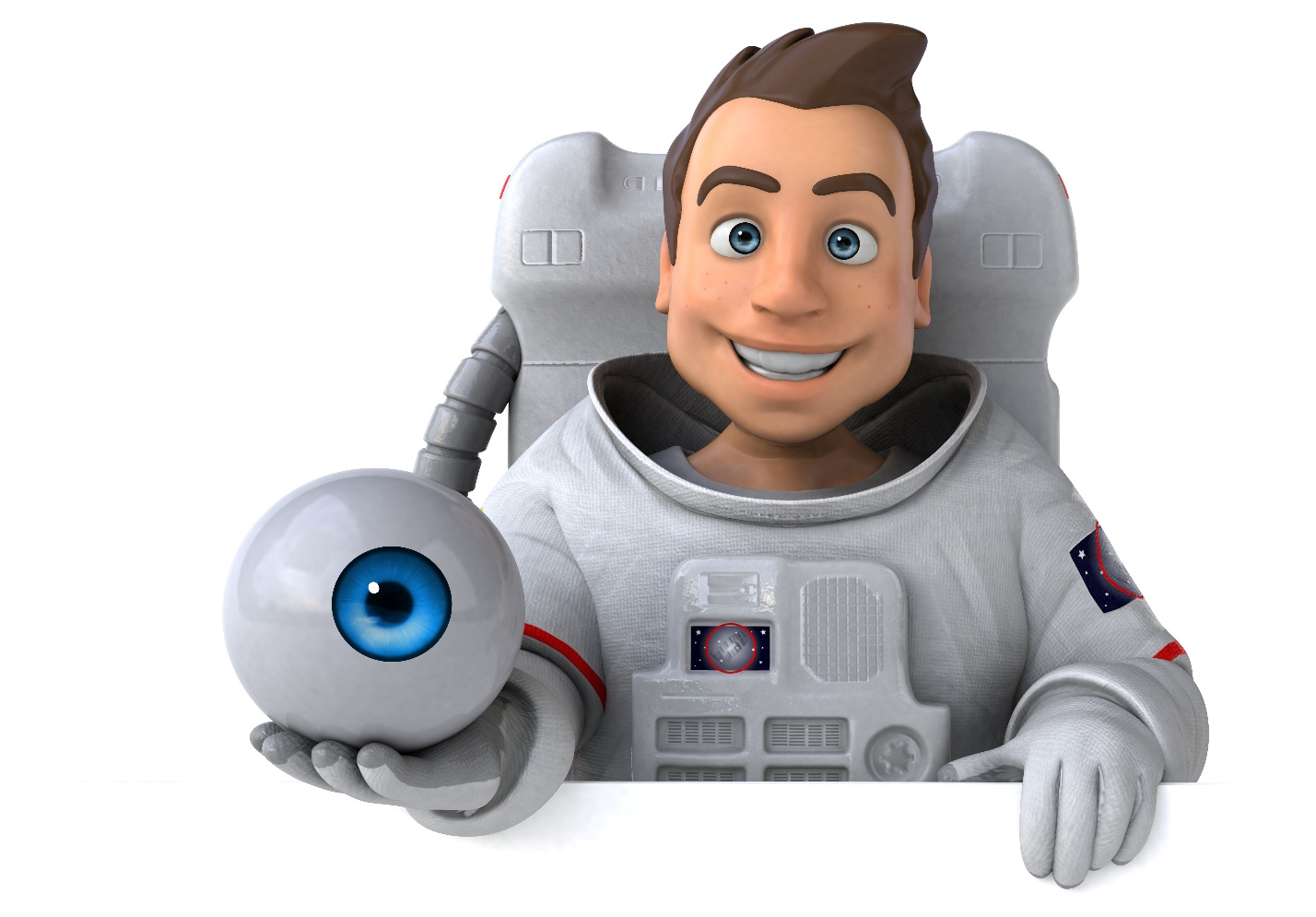
The past decade has been marked by consistent development in computing, and digital and immersive technology. Such innovations have provided the basis of the Metaverse, a collection of networked digital spaces in which users can communicate, work, study and receive services in visual and audio forms. With the increase in frequency of these environments, there has been an increase in the need for natural, human-centred digital interaction. This has given rise to AI avatars, computer-generated characters meant to interact realistically.
This technology is being explored in education, healthcare, media, retail, and public service delivery worldwide as a means of intuitive digital interaction. The emergent digital ecosystem, the presence of a high technological talent and multilingual platforms put the country in a good position to embrace this transition. AI avatar technology is finally making its way into mainstream discussions because of government programs that encourage AI development and the increased involvement of Indian startups and research institutions. It is useful to explore the wider context before taking a look at AI avatars and their operation as India’s technological capabilities and user needs are in line with the global trend of interactive and accessible digital systems.
What are AI avatars?
AI avatars are computer-generated digital characters powered by artificial intelligence (AI). They look and behave like real people. They are designed to resemble the way humans speak, move, and even show expressions, but exist only in the digital world. These avatars can function as virtual teachers, customer assistants, or brand mascots. Because they use smart algorithms, each avatar can adapt in real time, hold conversations, and learn from interactions. In India, this innovative technology is rapidly gaining ground. As the Ministry of Information & Broadcasting notes that AI Avatars are transforming the digital landscape, offering personalised, interactive, AI-powered digital personas that engage like human influencers across virtual spaces. AI avatars are becoming powerful tools in marketing, content creation, and entertainment.
India landscape
India’s vibrant tech ecosystem and creative industries make it a natural leader in AI avatars. The government has launched several initiatives to support avatar technology. For example, the “AI Avatar Creator Challenge” under the WAVES 2025 media summit invited creators to build AI avatars for entertainment and Augmented Reality (AR)/Virtual Reality (VR) applications. More broadly, the IndiaAI mission unveiled an “Avatar AI” project in 2025 to develop large-scale AI avatar models targeting up to 70 billion parameters) tailored for Indian languages and sectors like agriculture, healthcare, and governance. These efforts ensure India has its own advanced digital personas and not just imported ones, underpinning future innovation.
Startup scene
India’s startup scene is already bustling with avatar projects. India has over 150 generative AI startups, which have raised more than Rs. 10,800 crore (over US$ 1.2 billion) since 2020. The country’s generative AI market is projected to exceed around Rs. 1,53,000 crore (US$ 17 billion) by 2030. Many of these young companies are building avatar-based solutions. For example, Genius Mentor in Delhi uses AI to create virtual teacher avatars for K-12 lessons, allowing personalised tutoring at low cost. In business and finance, Gnani.ai (Bengaluru) demonstrated a self-cloned digital human at the Global Fintech Fest 2025; an avatar that can speak multiple Indian languages and mimic a real person’s voice and mannerisms. Even Bollywood icons are going digital: Hyderabad startup Ikonz launched an AI avatar of cricket legend Mr. Sourav “Dada” Ganguly in April 2025, complete with Ganguly’s voice, expressions, and charisma. This avatar can appear in ads, fan events, virtual coaching and more. In marketing, brands are creating “virtual influencers” fictional AI personalities with social media followings. For instance, boAt Lifestyle used Kyra, a CGI avatar, in a 2024 campaign, noting that such AI influencers “provide an avenue for enhanced creativity and storytelling”.
Avatar adoption
- AI ecosystem: India has over 150 generative AI startups that have raised more than Rs. 10,800 crore (over US$ 1.20 billion) since 2020. The generative AI market projected to exceed around Rs. 1,53,000 crore (US$ 17 billion) by 2030.
- Education: Delhi-based Genius Mentor uses AI-generated avatars as virtual teachers for school students, enabling personalised, on-demand lessons at a low cost.
- Business & customer service: Startups such as Gnani.ai have built interactive digital human avatars for enterprises. These avatars manage tasks like video KYC, account onboarding, and customer support, while retaining a human-like feel. Gnani’s avatar uses its HumanOS platform to replicate a person’s speech, lip movements, and expressions, and supports multiple Indian languages.
- Healthcare & governance: India’s “Avatar AI” initiative specifically targets healthcare and governance. In the future, hospitals might use AI avatar assistants for patient triage and appointment scheduling, while government offices could deploy avatar receptionists or virtual kiosks to help citizens in multiple languages.
What lies ahead?
India’s high rate of AI adoption gives this field extra momentum. A Boston Consulting Group (BCG) report found that in late 2025, 92% of Indian employees extensively use AI tools, the highest in Asia-Pacific. This enthusiasm suggests Indian consumers and businesses are ready to accept AI avatars in daily life. As a global leader in creative AI avatars, India is set to emerge as a fast-growing startup ecosystem with strong government backing and early real-world applications in education to entertainment. These digital personas are guaranteed to make services more accessible (such as speaking local languages), entertain audiences, and introduce solutions to tourism to agriculture. In short, India’s “big moment” with AI avatars has begun blending technology and creativity to transform how people interact with machines.
FAQs
What exactly is an AI avatar?
An AI avatar is a virtual human-like character created using AI and graphics. It can look and behave like a person and often speaks with a synthetic voice. Unlike a robot, it exists purely on screens or in VR/AR, not in physical form. The avatar’s AI brain lets it answer questions, hold conversations, and respond in real time.
How are AI avatars used in India?
In education, avatars can instruct students via online classes or tutoring apps. In entertainment and marketing, companies create celebrity avatars or virtual influencers to engage fans. In business, banks and telecom firms are experimenting with AI “agents” for customer service, 24/7 support and KYC verification. The government and healthcare sector are also exploring them as digital assistants for citizen services and patient care.
What is India’s role in AI avatar development?
India is actively supporting this technology. The government’s IndiaAI mission and MeitY (Electronics & IT Ministry) are funding projects to build indigenous AI models, including a special “Avatar AI” project for avatars in Hindi and other languages. Events like the WAVES Summit and IndiaAI challenges encourage developers to create avatar solutions. Major Indian startups (like Gnani.ai, Ikonz, etc.) are already building commercial avatar products for global markets.
What benefits do AI avatars bring?
Avatars can work around the clock without fatigue, speak multiple languages, and be easily updated or customised. This can improve access – for example, students can learn from the best “virtual” teachers in their language, or customers in remote areas can get assistance without needing human staff. They can also entertain or educate in more engaging ways and help businesses save time and costs on routine tasks.
Are AI avatars safe and ethical?
India’s emerging AI policy documents and guidelines emphasise responsible use of AI, including safety, transparency, and privacy protection. Avatars are typically designed to follow strict rules, and companies and regulators are working on standards to ensure responsible deployment.
Partners