SEARCH
RECENT POSTS
Categories
- Agriculture (37)
- Automobiles (20)
- Banking and Financial services (36)
- Consumer Markets (57)
- Defence (6)
- Ecommerce (21)
- Economy (72)
- Education (14)
- Engineering (9)
- Exports (21)
- Healthcare (25)
- India Inc. (10)
- Infrastructure (31)
- Manufacturing (32)
- Media and Entertainment (16)
- Micro, Small & Medium Enterprises (MSMEs) (16)
- Miscellaneous (31)
- Perspectives from India (37)
- Pharmaceuticals (5)
- Railways (4)
- Real Estate (20)
- Renewable Energy (19)
- Research and Development (12)
- Retail (1)
- Services (7)
- Startups (16)
- Technology (66)
- Textiles (8)
- Tourism (16)
- Trade (9)
Authors






Revival of India’s Forgotten Superfoods: Jackfruit, Amaranth and Moringa in Global Diets
- Jan 01, 2026, 11:30
- Agriculture
- IBEF
For centuries, Indian kitchens have been home to an incredible diversity of ingredients that include both nourishment and medicinal value. Among these are three traditional crops, Jackfruit, Amaranth, and Moringa, long regarded as staples in rural India but often overlooked in the march towards modern, processed diets. Today, as the global food industry pivots in favour of plant-based, climate-resilient and nutrient-dense foods, these forgotten superfoods are making a strong comeback, not only on Indian plates but across international markets.
The revival of these ancient crops aligns with the global search for sustainable nutrition - food that can sustain both people and the planet. Each of these superfoods reflects India’s deep agricultural wisdom and its potential to contribute to the future of a healthy, ethical and eco-friendly diet worldwide.
The global shift towards traditional superfoods
The term ‘superfood’ is no longer just a marketing buzzword but a trend since the past decade that has changed the way consumers shop. The increase in health awareness and sustainability has increased the demand of nutrient-rich and plant-based foods.
The world superfoods market is growing at an unprecedented rate. In India, the superfoods market is estimated at Rs. 52,368 crore (US$ 5.9 billion) in 2024 and is expected to grow to Rs. 1,10,950 crore (US$ 12.5 billion) by 2033 at a strong compound annual growth rate (CAGR) of 8.7%. This is driven by growing health awareness, rise in disposable income and awareness of the benefits of plant-based nutrition.
Among Indians, jackfruit, amaranth and moringa are distinguished by their outstanding nutrition and cultural value. Where people were previously rushing to buy imported products such as quinoa, chia seeds and kale, today the focus is shifting to locally produced, indigenous products that are as or more nutritious than imported items. This change is a special opportunity to India as it has a wide range of naturally produced super foods that can satisfy the global market with its biodiversity and ancient agricultural practices.
The examples of jackfruit, amaranth and moringa stand out, as each of them is not only an excellent source of nutrition but also work as a viable alternative to crops that demand a lot of water and resources.
Nutritional and health benefits
Nutritional content of jackfruit, amaranth and moringa alone qualify them as superfoods as they tend to be better than popular international substitutes in essential nutrients.
- Jackfruit: The Protein Rich Plant
Jackfruit is a fruit with a high concentration of protein. A single cup or 165 grams (g) of jackfruit contains almost 3 g of protein as opposed to 0-1 g of other fruits such as apples and mangoes. Jackfruit seeds, which are usually discarded, are goldmines of nutrients with high quality protein, starch and bioactive phenolics that have antioxidant and anti-inflammatory properties. Moreover, when unripe, the fruit has a unique texture and meat-like fibre structure, which makes it an outstanding source of plant-based proteins, responding to the global need to have sustainable meat substitutes.
- Amaranth: The Complete Protein Grain
The nutritional superiority of Amaranth compared to popular grains is outstanding. For instance, 100 g of cooked amaranth has 15 milligrams (mg) of iron as opposed to 1.5 mg of protein from quinoa, an increase of 10 times, and is invaluable in the treatment of iron-deficiency anaemia. The complete protein nature of amaranth is uncommon in plant sources, and it has sufficient lysine which is normally lacking in cereals such as wheat and rice. This renders it especially beneficial to vegetarian communities in India as well as the rest of the world. The grain is also gluten-free and combined with its low glycaemic index, makes it appropriate for individuals with diabetes and celiac disease.
- Moringa: The Miracle Tree
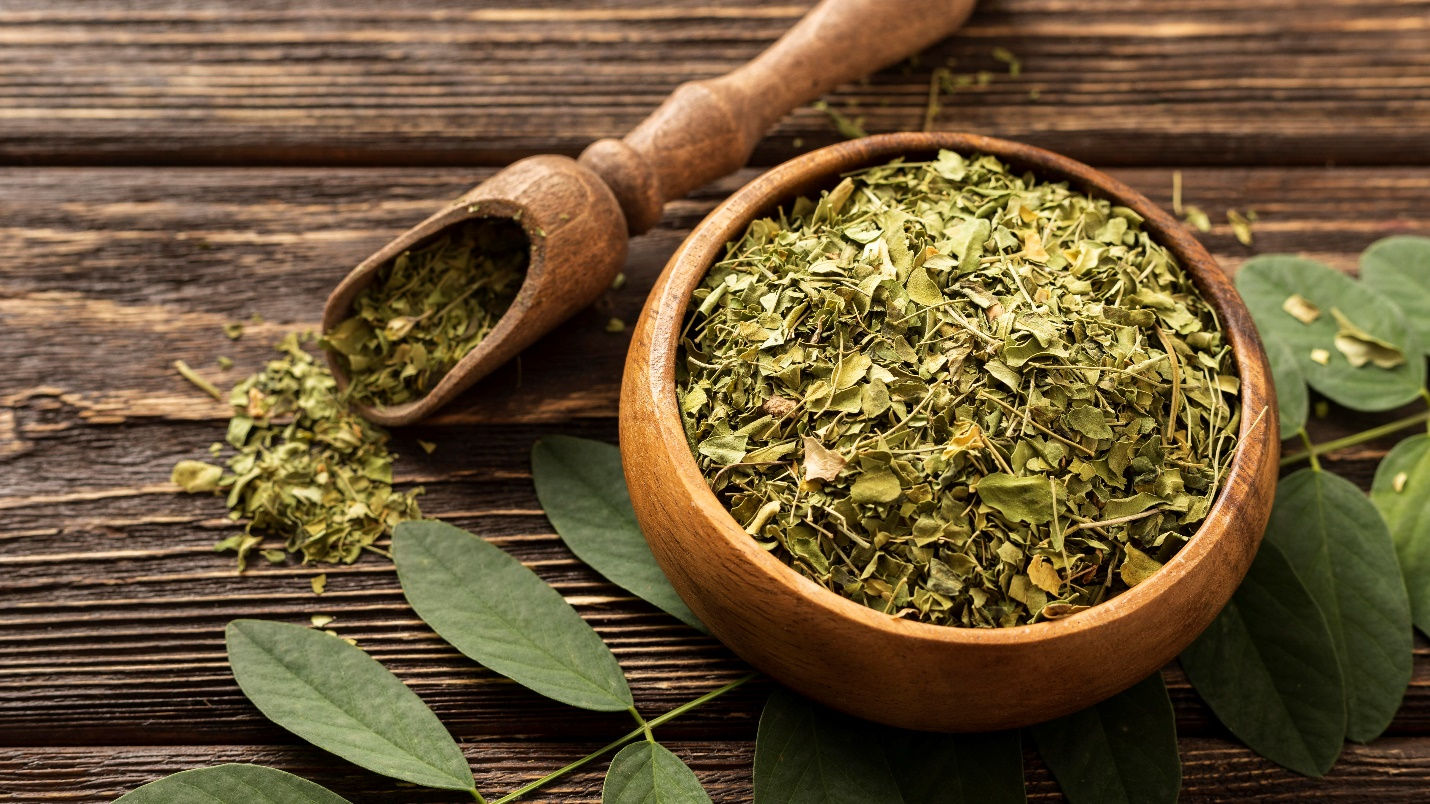
The leaves of moringa contain very high density of nutrients earning it the title of miracle tree. Studies have shown that moringa leaves have seven times more vitamin C than oranges and 15 times more potassium than bananas. The leaves are also a complete source of all the necessary amino acids, which means that moringa is just as good a source of protein as eggs and dairy products. These nutrients are further concentrated in dried moringa powder with 632.32 mg calcium per 100 g in a dehydrated form.
Growth drivers
The re-emergence of ancient crops such as jackfruit, amaranth and moringa is driven by multiple structural and market-related factors that correspond to the nutrition agenda of India and the wellness trends in the global community.
Increasing Health and Sustainability Consciousness: People across the globe are becoming increasingly health-conscious, and are demanding plant-based, nutrient-dense and sustainable food. The Food and Agriculture Organisation (FAO) further reported that the world is currently experiencing an unprecedented demand of functional foods that are immunity-enhancing, which is a good chance to reintroduce the Indian superfoods into the mainstream diets.
Home Value Addition and Innovation: The food processing industry and agri-startups in India are also innovating to transform their traditional crop into contemporary forms such as protein bars, ready-to-eat food and beverages with increased nutritional value. As of April 2023, there are more than 3,300 Department for Promotion of Industry and Internal Trade (DPIIT) recognised startups in food processing industry working on producing high-value products with indigenous ingredients and assisting in bridging the divide between the traditional and convenient.
Potential in Exports and International Workforce: Superfoods are experiencing an expansion of export opportunities as a source of sustainable and plant-based ingredients. Some of the products of moringa, jackfruit snacks as well as amaranth grains are finding their way into health and organic markets across the world, notably in North America, Europe and Southeast Asia, where vegan and functional foods are quickly growing.
Governmental support and initiatives
The Indian government has also developed several special programmes to promote production, processing and marketing of Indian traditional super foods. The aim of these programmes is to improve the income of farmers, improve the local value chain and to increase exports of such products.
Pradhan Mantri Kisan Sampada Yojana (PMKSY) - PMKSY is an undertaking by the Ministry of Food Processing industries (MoFPI) to help in the setting-up of food processing units, cold chains and agro-processing clusters around the country. The scheme encourages entrepreneurship and supports farmer groups to produce local crop which includes crops such as moringa and jackfruit to increase their market access and income.
Paramparagat Krishi Vikas Yojana (PKVY) - PKVY is a programme that was introduced by the ministry of agriculture and farmers welfare to promote the use of organic farming technique and provide certification. Since plants such as amaranth and moral are generally grown without the use of chemicals, the scheme helps farmers sell these products at a high rate in both the local and international markets by satisfying the organic demand.
Looking ahead
Jackfruit, amaranth and moringa are some of the treasures of Indian cuisine, which are naturally healthy and environmentally friendly. These traditional crops are gaining popularity with people around the world moving towards healthier, plant-based diets. New food processing, value-added foods and increased global interest are assisting these super foods to reach more consumers. India will also be able to encourage healthier eating by adopting them in everyday meals, rural livelihoods and emphasising on its rich farming heritage. The revival of these crops offers a bright future, bringing sustainable nutrition to tables both in India and across the world.
FAQs
Why are superfoods gaining popularity now?
Growing health and sustainability awareness, coupled with a shift towards plant-based, nutrient-dense foods, has revived interest in these crops. Consumers are moving from processed and imported items to local, eco-friendly options.
What is the size of India’s superfoods market?
India’s superfoods market is estimated at Rs. 52,368 crore (US$ 5.9 billion) in 2024 and is projected to reach Rs. 1,10,950 crore (US$ 12.5 billion) by 2033, growing at a CAGR of 8.7%.
Why is moringa called the “miracle tree”?
Moringa leaves are packed with nutrients, seven times more vitamin C than oranges and 15 times more potassium than bananas. They also contain all essential amino acids, making moringa a complete protein source comparable to eggs or dairy.
What makes amaranth a superior grain compared to others?
Amaranth is a complete protein grain with high iron content, 15 mg per 100 g, far exceeding quinoa. It is also gluten-free, has a low glycaemic index, and is especially beneficial for vegetarians, diabetics and those with celiac disease.
How does jackfruit qualify as a superfood?
Jackfruit is a protein-rich fruit, offering nearly 3 g of protein per cup, much higher than most fruits. Its seeds are rich in protein, starch and antioxidants, and its unripe flesh mimics meat texture, making it a popular plant-based meat alternative.
Partners