Introduction
Infrastructure is a key enabler in helping India become a US$ 26 trillion economy. Investments in building and upgrading physical infrastructure, especially in synergy with the ease of doing business initiatives, remain pivotal to increase efficiency and costs. Prime Minister Mr. Narendra Modi also recently reiterated that infrastructure is a crucial pillar to ensure good governance across sectors.
The government’s focus on building infrastructure of the future has been evident given the slew of initiatives launched recently. The US$ 1.3 trillion national master plan for infrastructure, Gati Shakti, has been a forerunner to bring about systemic and effective reforms in the sector, and has already shown a significant headway.
Infrastructure support to the nation’s manufacturers also remains one of the top agendas as it will significantly transform goods and exports movement making freight delivery effective and economical. The infrastructure sector is a key driver of the Indian economy. The sector is highly responsible for propelling India’s overall development and enjoys intense focus from the Government for initiating policies that would ensure the time-bound creation of world-class infrastructure in the country.
The infrastructure sector includes power, bridges, dams, roads, and urban infrastructure development. In other words, the infrastructure sector acts as a catalyst for India’s economic growth as it drives the growth of the allied sectors like townships, housing, built-up infrastructure, and construction development projects.
Government for initiating policies that would ensure the time-bound creation of world-class infrastructure in the country. The infrastructure sector includes power, bridges, dams, roads, and urban infrastructure development. In other words, the infrastructure sector acts as a catalyst for India’s economic growth as it drives the growth of the allied sectors like townships, housing, built-up infrastructure, and construction development projects.
To meet India’s aim of reaching a US$ 5 trillion economy by 2025, infrastructure development is the need of the hour. The government has launched the National Infrastructure Pipeline (NIP) combined with other initiatives such as ‘Make in India’ and the production-linked incentives (PLI) scheme to augment the growth of the infrastructure sector. Historically, more than 80% of the country's infrastructure spending has gone toward funding for transportation, electricity, and water, and irrigation.
While these sectors still remain the key focus, the government has also started to focus on other sectors as India's environment and demographics are evolving. There is a compelling need for enhanced and improved delivery across the whole infrastructure spectrum, from housing provision to water and sanitation services to digital and transportation demands, which will assure economic growth, increase quality of life, and boost sectoral competitiveness.

Market Size
The National Infrastructure Pipeline (NIP) was introduced across 33 sectors. The number of projects stands at ~14,563 against ~6,800 at inception, while the total investment rose by ~92% to Rs. 213 trillion (US$ 2.41 trillion) from Rs. 111 trillion (US$ 1.57 trillion). Nearly half of the under-development projects are in the transportation sector, and 3,906 are in the roads and bridges sub-sector.
Around 3,500 projects with investment of Rs. 25,00,000 crore (US$ 292 billion) added to NIP during FY25.
Indian Railways’ gross revenue stood at Rs. 2.79 trillion (US$ 31.57 billion) for FY26, reflecting the continued strength of its freight-led earnings model and steady growth in passenger revenues.
Freight loading on Indian Railways increased by 5.27% to 1,700 million tonnes (MT) in FY26 from 1,614.90 MT in FY25, driven by strong growth in key industrial commodities. Among major segments, fertilisers recorded the highest growth at 13.45%, followed by pig iron & steel (17.98%), other goods (5.98%), iron ore (6.11%), and containers (11.32%), reflecting sustained momentum in industrial activity and infrastructure development.
This marked the fourth consecutive year of record-breaking freight performance, underlining the sustained momentum in the railway freight sector. India’s logistics market, valued at US$ 240.5 billion in 2025, is projected to reach US$ 527.5 billion by 2033 at a CAGR of 10.9% from 2025 to 2033.
The India Residential Real Estate Market size is estimated at Rs. 2,439,381 crore (US$ 283.55 billion) in 2025 and is expected to reach Rs. 73,76,212 crore (US$ 857.40 billion) by 2030, at a CAGR of 24.77%.
India held the 41st position in IMD’s World Competitiveness Index 2024 and 38th position in World Bank’s Logistics Performance Index 2023.
As of May 2026, India’s total installed electricity capacity reached 542.36 GW, with 250.83 GW from thermal sources and 291.53 GW from non-fossil fuels including 225.61 GW renewable (157.05 GW solar and 56.81 GW wind) and 8.78 GW nuclear.
India now has over 1,143 km of operational metro lines spread across 29 cities, making it the third-largest metro network in the world.
In the last 10 years, 697 km have been added to Metro Rail Network across the country. In 2024, about 945 km of metro rail lines are operational in 21 cities and 919 km is under construction in 26 different cities
At almost 20 kms, Mumbai monorail is the third largest route in the world after China with 98 kms and Japan with 28 kms.
India’s logistics market, valued at US$ 240.5 billion in 2025, is projected to reach US$ 527.5 billion by 2033 at a CAGR of 10.9% from 2025 to 2033, with over 22 million people employed and millions of new jobs expected through policy support including infrastructure status, the Unified Logistics Interface Platform (ULIP), the National Logistics Policy, PM GatiShakti and logistics parks.
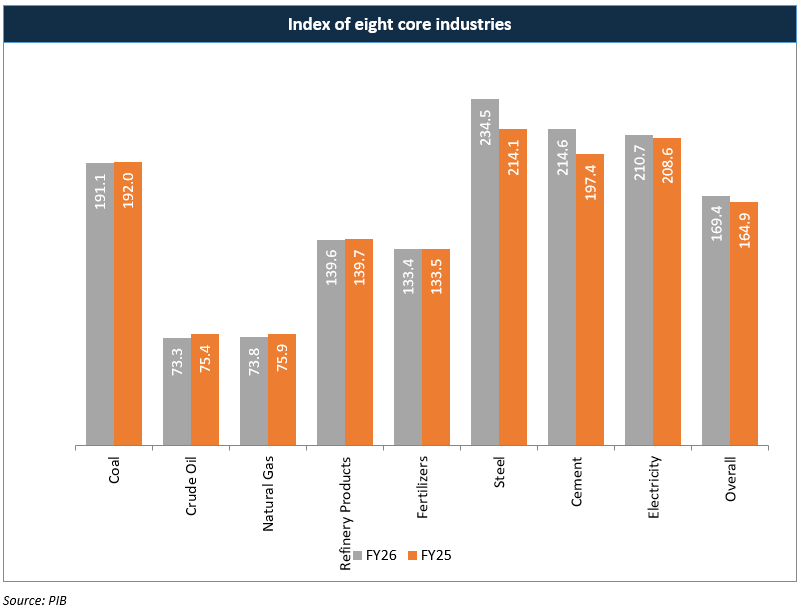
Government Initiatives and Investments
Some of the recent government initiatives and investments in the infrastructure sector are as follows:
- On February 14, 2026, The Government of India has strengthened India’s infrastructure and technology ecosystem through major initiatives, including a provision of Rs. 1,000 crore (US$ 106.1 million) for expanding AI infrastructure, establishing data centres, and advanced computing systems, aimed at boosting digital infrastructure and innovation-led growth.
- India’s infrastructure investment has risen sharply from Rs. 1.7 lakh crore (US$ 25.30 billion) in FY16 to over Rs. 11 lakh crore (US$ 124.48 billion), with Budget 2026 further accelerating infrastructure-led growth through higher public capex, private sector participation and outcome-driven urban development initiatives.
- In November 2025, the Union Cabinet approved Phase II of the Pune Metro Rail Project with an estimated cost of Rs. 9,857 crore (US$ 1.13 billion) to build 31.64 km of new corridors (Lines 4 and 4A) with 28 elevated stations, expanding connectivity across East, South and West Pune as part of the city’s Comprehensive Mobility Plan.
- As of August 19, 2025, the Cabinet Committee on Economic Affairs, chaired by Prime Minister Mr. Narendra Modi, approved the construction of a 110.875 km six-lane access-controlled Capital Region Ring Road (Bhubaneswar Bypass) in Odisha on Hybrid Annuity Mode at a total cost of Rs. 8,307 crore (US$ 949 million) to ease congestion, enhance freight efficiency and generate significant employment.
- GST 2.0 is expected to reduce construction costs by 3.5-4.5%, potentially lowering housing prices by 5-8% and boosting demand, especially in the affordable and mid-segment markets.
- As of March 31, 2025, 99.44% of the total Rs. 47,652 crore (US$ 5.56 billion) Union Budget allocation for the Smart Cities Mission, has been released to 100 cities.
- As of June 24, 2025, 94% of the 8,067 projects under the Smart Cities Mission have been completed, with an investment of Rs. 1,64,000 crore (US$ 19.14 billion).
- In 2025, the Prime Minister will lay the foundation for projects worth over Rs. 7,300 crore (US$ 852 million) at Chura Chandpur, Manipur, covering five National Highways, urban roads, and drainage and asset management improvements.
- The government is planning a Rs. 20,000 crore (US$ 2.33 billion) risk guarantee funds to support infrastructure investment, covering losses from policy uncertainty and non-commercial risks to boost investor confidence.
- Union budget 2026-27 allocated Rs. 6,812 crore (US$ 770.85 million) for Ministry of Development of North-Eastern Region (MDoNER).
- As of 28th February 2026, a total of 48 projects worth Rs. 6,044.36 crore (US$ 683.98) have been sanctioned under the PM DevINE scheme for Northeastern Region across various sectors, including connectivity, power, and social sectors.
- The Ministry of Railways has allocated Rs. 62,477 crore (US$ 7.29 billion) for the Northeast since 2014, with Rs. 10,440 crore (US$ 1.22 billion) set aside in FY26.
- Railway projects worth Rs. 77,000 crore (US$ 9 billion) are underway in the Northeast, representing the region’s highest-ever investment in rail infrastructure.
- 16, 207 km of National Highways constructed in Northeast Region as of July 2025.
- Under Pradhan Mantri Gram Sadak Yojana (PMGSY), 16,469 road works covering 80,933 km and 2,108 bridges have been completed.
- As of July 2025, 29 projects under NESIDS-OTRI have been sanctioned and are at various stages of implementation, with an expenditure of Rs. 462 crore (US$ 53.9 million) has been incurred so far.
- India's National Highways network expanded to 1,46,560 km in FY26 (till December 2025), with 9,380 km constructed during the year.
- As of March 2026, Indian Railways had electrified 99.6% of its broad-gauge network. This milestone is part of the broader "Mission 100% Electrification" initiative, which aims to reduce dependency on fossil fuels, decrease diesel consumption, and lower carbon emissions. Notably, electrification has led to a reduction of approximately 136 crore litres in traction fuel consumption from 2018-19 to 2023-24. The initiative also enhances haulage capacity and train speeds, contributing to reduced travel times and improved efficiency.
- As of December 2025, India’s authorised operational natural gas pipeline network totals 25,925 km.
- As on October 2025, 6,94,711 km of Optical Fibre Cable (OFC) has been laid, and 2,09,809 GPs are Service Ready on OFC. In addition, 5,034 GPs have been connected over satellite media. Thus, a total 2,14,843 GPs are now endowed with broadband connectivity.
- Under Union Budget 2026-27:
- The Union Budget 2026–27 aims to strengthen India’s long-term growth trajectory through higher public expenditure, infrastructure expansion, and private sector participation aligned with the vision of Viksit Bharat @2047. Total government expenditure is estimated at Rs. 53.47 lakh crore (US$ 594.1 billion), 7.7% higher than the revised estimate for 2025–26, while nominal GDP growth for 2026–27 is projected at 10%.
- Public capital expenditure has been increased from Rs. 10.96 lakh crore (US$ 121.8 billion) in the revised estimate of 2025–26 to Rs. 12.22 lakh crore (US$ 138.3 billion) in 2026–27, reflecting an increase of 11.5% to support infrastructure-led economic growth.
- In the Union Budget 2026–27, the allocation for the Ministry of Road Transport and Highways has been increased to Rs. 3,09,875 crore (US$ 35.1 billion), marking a 8% rise over the revised estimate of 2025–26.
- The government has proposed the establishment of an Infrastructure Risk Guarantee Fund to strengthen private sector confidence in infrastructure development, along with a dedicated pipeline for PPP-led projects and investment.
- The government has allocated Rs. 22,000 crore (US$ 2.4 billion) towards the PM Surya Ghar Muft Bijli Yojana in 2026–27 to support rooftop solar adoption and clean energy transition.
- Under the pharmaceuticals sector, the government announced the launch of the Biopharma SHAKTI scheme with an outlay of Rs. 10,000 crore (US$ 1.1 billion) over five years to strengthen domestic manufacturing of biologics and biosimilars.
- To support MSME growth and industrial expansion, the government proposed the creation of an SME Growth Fund with an outlay of Rs. 10,000 crore (US$ 1.1 billion) and announced plans to revive 200 legacy industrial clusters through technology and infrastructure upgrades.
- In the Union Budget 2025–26, the government allocated Rs. 6,636.11 crore (US$ 737.35 million) to the Ministry of Development of Northeastern Region to support infrastructure and socio-economic development across the North-Eastern region.
- The allocation includes Rs. 2,300 crore (US$ 255.56 million) for the Prime Minister's Development Initiative for Northeast Region scheme
- In union budget 2026-27, Rs 1,21,999 crore (US$ 13.81 billion) has been allocated towards roads and bridges. This is 5% higher than the revised estimates for 2025-26.
- In 2026-27, road transport and safety has been allocated Rs 400 crore (US$ 45.26 million), an 11% increase over the revised estimates of 2025-26. On an average, utilisation has been about 63% between 2017-26.
- Permanent Bridge Fees Funds (PBFF) are released to NHAI for the development of NHs entrusted to it. In 2026-27, Rs. 35,027 crore (US$ 3.96 billion) has been allocated from the PBFF.
- Capital expenditure by the Ministry has increased significantly, from Rs. 5,471 crore (US$ 1 billion) in 2012-13 to Rs. 2,94,167 crore (US$ 33.29 billion) in 2026-27.
- The Indian government raised the Union Housing and Urban Affairs Ministry's budget by 50% to Rs. 85,522 crore (US$ 9.68 billion) for FY27, with major allocations for urban development, housing, and street vendor support.
- The Union Budget 2026-27 has allocated Rs. 29,997 crore (US$ 3.39 billion) to the ministry of power, encompassing investments in new and renewable energy. This represents a 39% increase from the previous year's outlay.
- In the Union Budget 2026-27 the Department of Telecommunications and IT was allocated Rs. 73,991 crore (US$ 8.37 billion).
- India's infrastructure sector is set for robust growth, with planned investments of US$ 1.4 trillion by 2025. The government's National Infrastructure Pipeline (NIP) program aims to channel significant capital into key areas such as energy, roads, railways, and urban development.
- The PM Gati Shakti National Master Plan aims to unify efforts across key Ministries for integrated infrastructure development. By October 2024, it had onboarded 44 Central Ministries and 36 States/UTs, integrated 1,614 data layers, and assessed 208 major projects worth Rs. 15,39,000 crore (US$ 178.89 billion), aligned with its core principles.
- Union Minister of Road Transport and Highways, Mr. Nitin Gadkari, announced that the Ministry has allocated Rs. 1,255.59 crore (US$ 150.01 million) for the construction of a 28.9 km, four-lane access-controlled Northern Patiala Bypass.
- In October 2024, the Ministry approved 50 National Highway projects spanning 1,026 km in Manipur, with 44 projects covering 902 km located in the hills. Of these, 8 projects totalling 125 km have been completed, while 36 ongoing projects, with an investment of Rs. 12,000 crore (US$ 1.43 billion), will cover the remaining 777 km.
- In June 2024, Ministry of Housing & Urban Affairs has approved proposals worth Rs. 860.35 crore (US$ 103.91 million) for West Bengal under SBM-U 2.0. During the first phase of SBM-U (2014-19) a total fund of Rs. 911.34 Cr (US$ 130.34 million) was allocated to West Bengal which has been increased by 1.5 times to Rs. 1449.30 crore (US$ 175.04 million) in SBM-U 2.0 (2021-26).
- India's National Highway (NH) network expanded from 65,569 km in 2004 to 91,287 km in 2014 and 1,46,560 km as of December 2025, forming the primary arterial network of the country. The Government of India has undertaken several initiatives to enhance and strengthen the National Highways network through flagship programmes such as the Bharat Mala Pariyojana which includes the subsumed National Highway Development Project (NHDP), the Special Accelerated Road Development Programme for the north-East Region (SARDP-NE), and many more ongoing projects.
- 7 goals for India's economic growth to become a US$ 5 trillion economy. In order to anticipate private sector investment and to address employment and consumption in rural India, the budget places a strong emphasis on the development of roads, shipping, and railways.
- India's ambitious plan calls for spending US$ 1.723 trillion (approximately Rs. 143 trillion) on infrastructure between FY24 and FY30, with a particular emphasis on power, roads, and developing industries like renewable energy and electric vehicles.
- Prime Minister Mr. Narendra Modi emphasized that India is committed to attaining net-zero carbon emissions by 2070, and that the country's ambitious goal of 500 gigawatts (GW) of renewable capacity by 2030 should be met.
Investments
- As of October 14, 2025, London-based infrastructure investor Actis said India is one of the most attractive infrastructure markets globally and plans to explore ways to double its existing Rs. 17,500 crore (US$ 2 billion) investment in energy, roads, transportation and digital infrastructure over the next three to four years.
- FDI in construction development (townships, housing, built-up infrastructure, and construction development projects) and construction (infrastructure) activity sectors stood at Rs. 1,39,474.23 crore (US$ 27.55 billion) and Rs. 2,81,161.95 crore (US$ 38.74 billion), respectively, between April 2000-March 2026.
- As of Q1 FY26, GMR Innovex, part of the GMR Group, is developing digital solutions to enhance passenger experience at airports, while GMR Aero Academy and GMR School of Aviation are building the skilled workforce needed to support India’s growing aviation sector.
- On July 21, 2025, L&T Energy GreenTech announced India’s largest green hydrogen plant at IOCL Panipat Refinery, producing 10,000 tonnes annually for 25 years using renewable energy and high-pressure alkaline electrolysers.
- Total FDI inflows in the power sector reached Rs. 1,24,372.37 crore (US$ 20.10 billion) between April 2000-March 2026, accounting for 2.55% of the total FDI inflow in India.
- Bharat Heavy Electricals Limited (BHEL) launched Harit BHEL, its green initiative focusing on renewable energy, energy efficiency, and sustainable practices to support India’s net-zero and environmental goals.
- On February 3, 2025, GMR Airports joined the UN Global Compact, committing to sustainable aviation, net-zero emissions, green-certified infrastructure, and social impact through education and healthcare initiatives.
- Adani Ports and SEZ is strategically targeting expansion into high-growth markets like the Philippines, Vietnam, and Indonesia, alongside the Middle East, targeting 140-150 MMT international throughput by 2030 while refinancing Rs. 9,034 crore (US$ 1.05 billion) debt and investing Rs. 12,000 crore (US$ 1.40 billion) in 2025.
- In February 2025, Adani Group has announced an investment of Rs. 30,237 crore (US$ 3.46 billion) in Kerala over the next five years, focusing on infrastructure, logistics, and manufacturing. This significant investment presents attractive opportunities for growth and development in the region.
- According to CRISIL’s Infrastructure yearbook 2023, India will spend nearly Rs. 143 lakh crore (US$ 1,727.05 billion) on infrastructure in seven fiscals through 2030, more than twice the near Rs. 67 lakh crore (US$ 912.81 billion) spent in the previous seven years.
- As per a report of Morgan Stanley India's infrastructure investment to steadily increase from 5.3% of GDP in FY24 to 6.5% of GDP by FY29.
- Larsen & Toubro (L&T) to form L&T Green Energy Council, a think-tank comprising of eminent thought leaders, in a significant step towards building a global green energy business.
- In August 2023, Bharat Heavy Electricals Ltd. (BHEL) and Greenstat Hydrogen India Pvt. Ltd. (GHIPL) signed an MoU for ‘Potential Collaboration Opportunities in Green Hydrogen and Derivatives in the Hydrogen Value Chain’. This MoU will help in contributing towards the country's 'National Hydrogen Mission' aimed at making India 'Aatmanirbhar' in this area.
- As many as 52 critical infrastructure gap projects identified by MoPSW for connecting maritime ports and IWTs (Inland Waterway Terminals) to be taken up under PM Gati Shakti National Master Plan. Currently, DPR of total 56 projects (including 11 IWT projects) under this category with total of 1,215 km length are under bidding stage for the feasibility assessment of these projects, which is being carried out by NHAI.
- A network of 35 Multimodal Logistics Parks is planned to be developed as part of Bharatmala Pariyojana, with a total investment of about Rs. 46,000 crore (US$ 5.5 billion), which once operational, shall be able to handle around 700 million metric tonnes of cargo. Of this, MMLPs at 15 prioritized locations will be developed with a total investment of about Rs. 22,000 crore (US$ 2.6 billion).
Road Ahead
With a 37% increase in the current fiscal year, capital expenditures (CAPEX) are on the rise, which bolsters ongoing infrastructure development and fits with 2027 goals for India's economic growth to become a US$ 5 trillion economy. In order to anticipate private sector investment and to address employment and consumption in rural India, the budget places a strong emphasis on the development of roads, shipping, and railways.
Global investment and partnerships in infrastructure, such as the India-Japan forum for development in the Northeast are also indicative of more investments. These initiatives come at a momentous juncture as the country aims for self-reliance in future-ready and sustainable critical infrastructure. India, it is estimated, needs to invest US$ 840 billion over the next 15 years into urban infrastructure to meet the needs of its fast-growing population. This investment will only be rational as well as sustainable, if we additionally focus on long-term maintenance and strength of our buildings, bridges, ports, and airports. As a result of digitalisation and opportunities that tier II and III cities present for economic growth, the divide between metro and non-metros is blurring, moving to the new era of infrastructure growth.
Commercial real estate properties have witnessed exponential growth in demand across Tier II & III cities as Information technology and Information technology enabled services and banking financial services and insurance focused organizations are increasingly decentralizing their operations to adapt to the new normal.
Civil Aviation Ministry’s “Vision 2040” report states that there will be 190-200 functioning airports in India by 2040. Delhi and Mumbai will have three international airports each, while top 31 Indian cities will have two operational airports each.
220 destinations (airports/heliports/water aerodromes) under UDAN are targeted to be completed by 2026 with 1000 routes to provide air connectivity to unconnected destinations in India.
India's Infrastructure forms an integral part of the country's economic ecosystem. There has been a significant shift in the industry that is leading to the development of world-class facilities across the country in the areas of roads, waterways, railways, airports, and ports, among others. The country-wide smart cities programmes have proven to be industry game-changers. Given its critical role in the growth of the nation, the infrastructure sector has experienced a tremendous boom because of India's necessity and desire for rapid development. The expansion has been aided by urbanisation and an increase in foreign investment in the sector.
The infrastructure sector has become the biggest focus area for the Government of India. India's GDP is expected to grow exponentially over the next three fiscal years, with one of the quickest rates among major, developing economies, according to S&P Global Ratings. India and Japan have joined hands for infrastructure development in India's Northeast states and are also setting up an India-Japan Coordination Forum for development of Northeast to undertake strategic infrastructure projects for the region.
India being a developing nation is set to take full advantage of the opportunity for the expansion of the infrastructure sector, and it is reasonable to conclude that India's infrastructure has a bright future ahead of it.

FAQs
The infrastructure sector in India comprises roads, railways, airports, ports, power, urban infrastructure, logistics, bridges, and digital infrastructure. It is a key driver of economic growth, improving connectivity, industrial development, and overall competitiveness.
The infrastructure industry supports economic growth by improving transportation, logistics, energy access, urban development, and industrial productivity. Efficient infrastructure reduces business costs, strengthens supply chains, and enhances India's global competitiveness.
The healthcare industry includes hospitals, pharmaceuticals, diagnostics, medical devices, telemedicine, health insurance, clinical trials, medical tourism, and digital health services. Together, these segments form one of India's fastest-growing and most diversified industries.
The infrastructure sector includes roads, railways, metro rail, airports, ports, power, renewable energy, logistics, urban infrastructure, housing, water supply, and digital infrastructure. Together, these segments support India's long-term economic and industrial development.
The infrastructure sector in India is expanding due to higher public capital expenditure, PM Gati Shakti, the National Infrastructure Pipeline (NIP), rapid urbanisation, logistics development, private investments, and increasing demand for multimodal connectivity.
The Government is strengthening the infrastructure industry through the National Infrastructure Pipeline (NIP), PM Gati Shakti, Bharatmala Pariyojana, Smart Cities Mission, PMGSY, and record capital expenditure to accelerate infrastructure development across the country.
The infrastructure sector in India offers investment opportunities across transport, logistics, renewable energy, urban infrastructure, airports, ports, industrial corridors, data centres, and digital infrastructure. Strong FDI inflows, PPP projects, and long-term government spending continue to attract investors.
The Smart Cities Mission is strengthening the infrastructure sector in India through investments in intelligent mobility, digital governance, water management, public infrastructure, and sustainable urban development. More than 94% of Smart Cities projects have already been completed.
Private investment is accelerating the infrastructure industry through public-private partnerships (PPPs), FDI, green infrastructure, airports, logistics, renewable energy, and transportation projects. Government initiatives such as the proposed Infrastructure Risk Guarantee Fund are further strengthening investor confidence.
The infrastructure sector in India is expected to witness sustained growth, supported by higher capital expenditure, PM Gati Shakti, the National Infrastructure Pipeline, smart cities, logistics expansion, and increasing private investment, reinforcing India's long-term economic development.
Related News
MOREInfrastructure India

Posters
MORE
ROADS TO FUTURE
India has the third largest road network in the world spanning over 3.3 million km.
IBEF Campaigns
MORE

Case Studies
MOREContainerisation: Transforming India's Maritime Trade
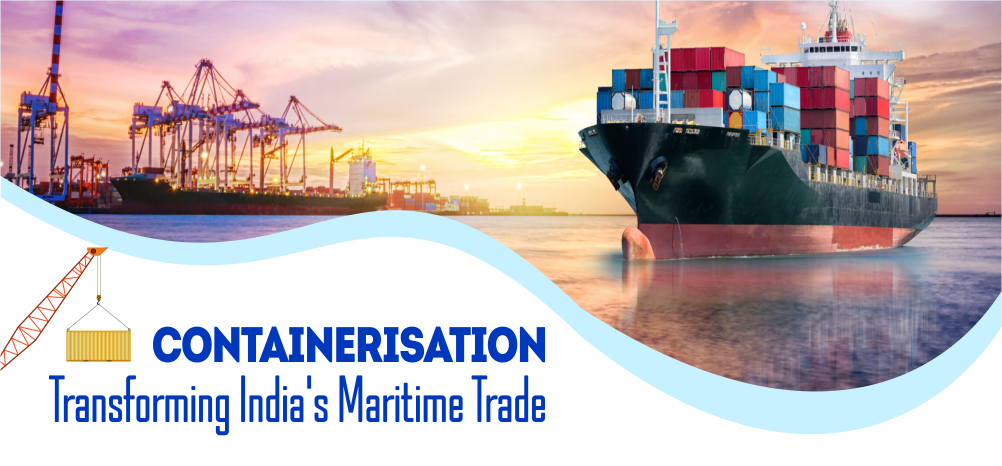
Despite other modes of transportation, the maritime shipping mode is the backbone of international trade. The concept of containerisation has revoluti...
India’s Growing Senior Care Needs: New Businesses and Services

The current state of India is characterised by the process of demographic transition with gradual growth of the proportion of senior citizens within t...
The Rise of India's Pathology Laboratories: Strengthening Quality and Safety in Healthcare

India has seen its healthcare system witness an impressive evolution in the last two decades because of the growth in healthcare infrastructure, incre...
IBEF BLOG
MORE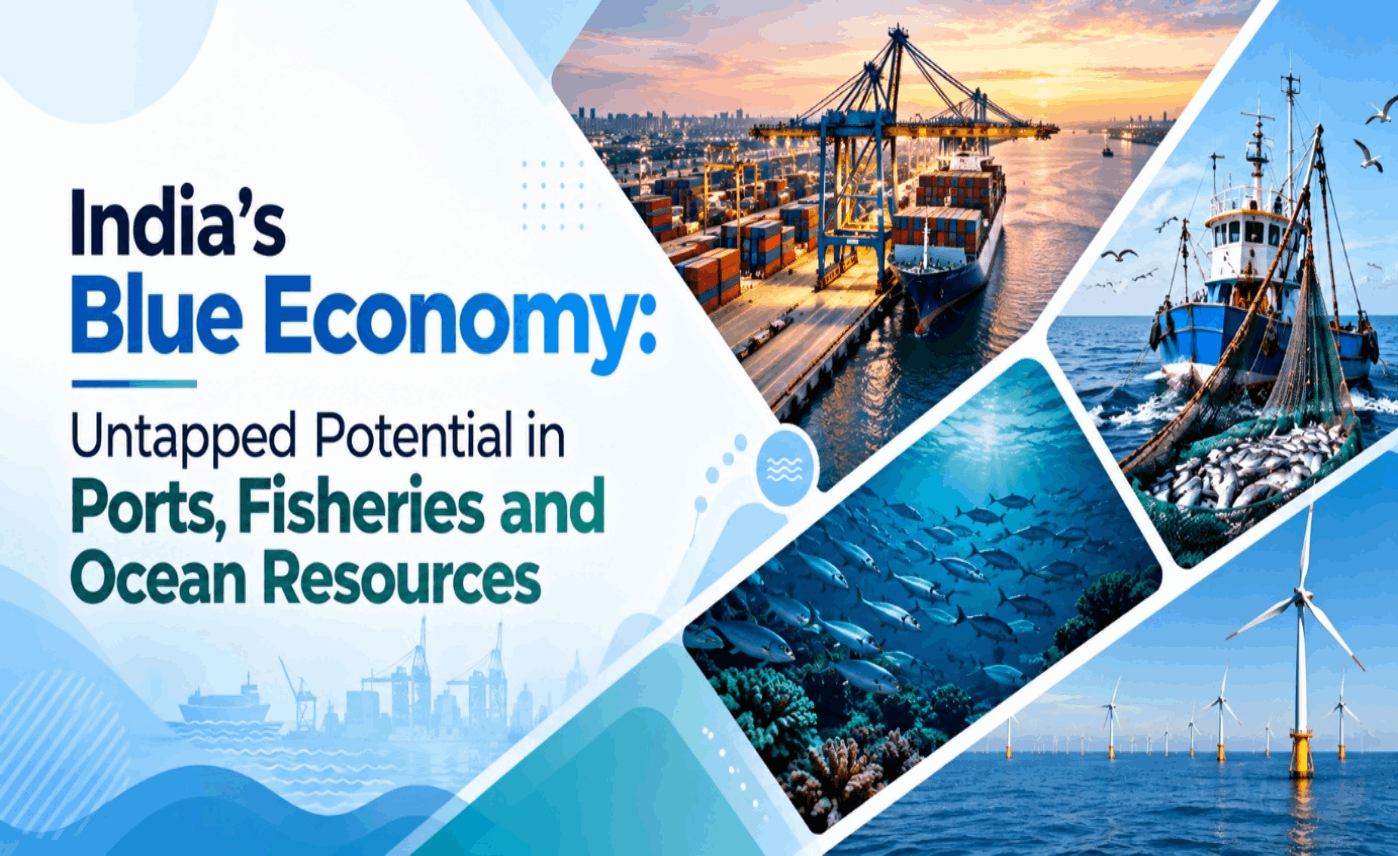
India's Blue Economy: Untapped Potential in Ports, Fisheries and Ocean Resources
The maritime space of India, which comprises the coastline, island areas, a...
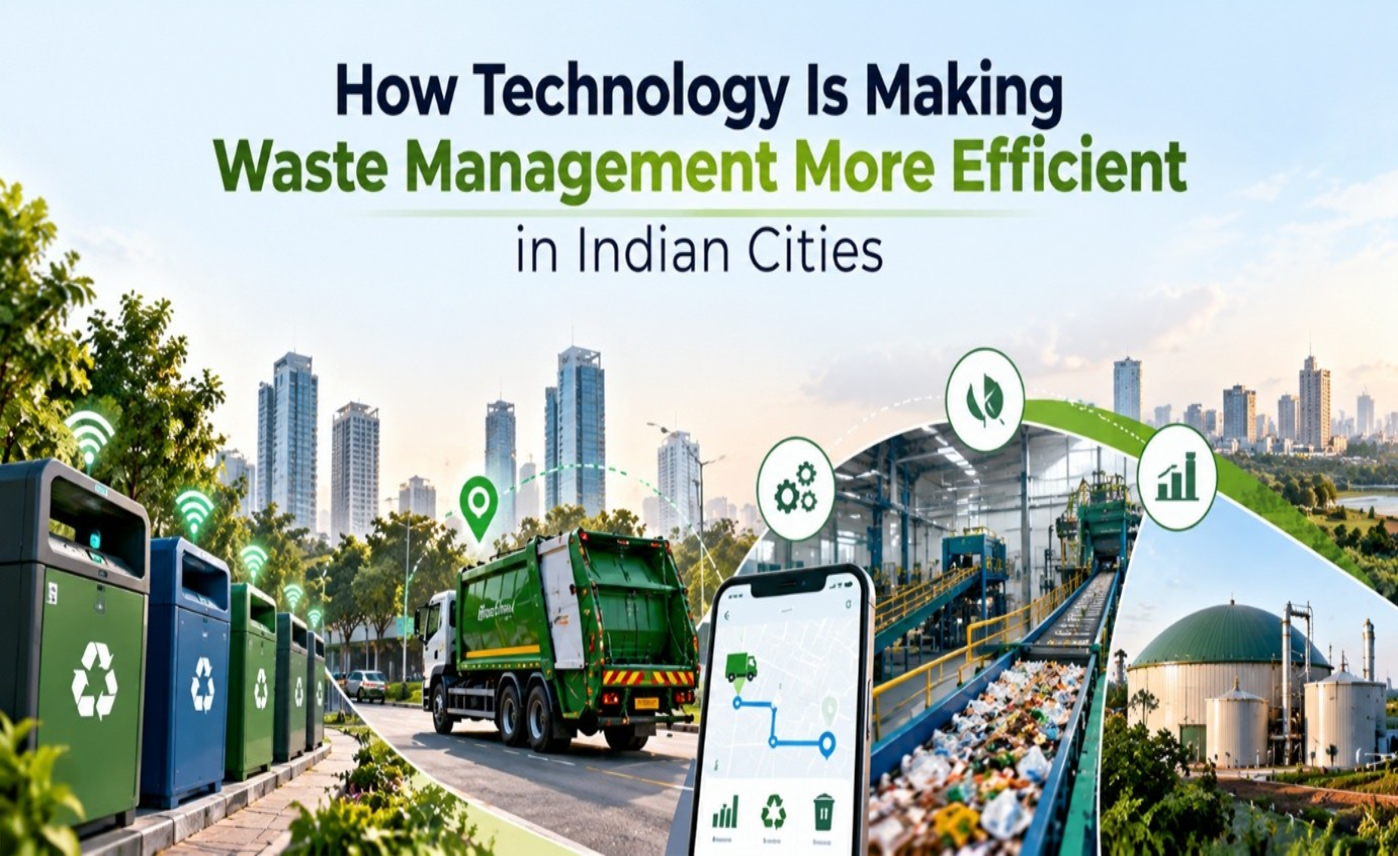
How Technology Is Making Waste Management More Efficient in Indian Cities
Indian cities are adopting digital monitoring, sensors, and automated waste...

India's Cold Chain Logistics: The Backbone of Perishable Trade
India's cold chain network allows the transfer of perishables from farm...
Partners