Advantage India
Growing
Demand
*Private consumption growth increased from 8% (2022–24) to 10.5% (2025). Growth was supported by government-led policy interventions, including a reduction in the Goods and Services Tax (GST) for select categories, personal income tax relief, easing inflation, and lower lending rates.
*India’s quick commerce segment has emerged as a US$ 7–8 billion market in FY25, expanding at a CAGR of 110–130% over 2021–25. The segment is projected to reach US$ 65–70 billion by 2030, contributing nearly half of incremental e-retail growth, reflecting a structural shift toward high-frequency, convenience-led consumption.
*India's online retail market reached approximately US$ 80 billion in FY26, registering 21% year-on-year growth, driven by rapid expansion of Quick Commerce, Value Commerce, and increasing digital adoption across Tier II and Tier III cities.

Attractive
Opportunities
*The rapidly expanding Direct-to-Consumer (D2C) segment is driving growth, with India's D2C market projected to grow at a 40% CAGR, reaching US$ 60 billion by 2030. E-commerce in India is expected to surpass US$ 145 billion in 2025.
*The Government e-Marketplace (GeM) has emerged as a key digital public procurement platform in India, achieving a cumulative Gross Merchandise Value (GMV) of Rs. 18.4 lakh crore (US$ 208.2 billion), including over Rs. 5 lakh crore (US$ 56.6 billion) in FY 2025–26. The platform continues to strengthen transparency, efficiency and inclusivity in public procurement through technology-driven processes.

Policy
support
*100% FDI is allowed in B2B e-commerce & marketplace model of E-commerce.
*Government initiatives like the National Logistics Policy and Digital India are boosting e-commerce by improving connectivity, streamlining logistics, and expanding digital access. These efforts aim to support the creation of a trillion-dollar online economy by 2025
*The Union Budget 2025-26 backs MSMEs with increased investment limits, better credit support, and a Rs. 10,000 crore (US$ 1.17 billion) startup fund. It also promotes electronics manufacturing and Global Capability Centre in Tier 2 cities to strengthen e-commerce supply chains.

Increasing
Investments
*In April 2026, Amazon India announced plans to expand Amazon Now to 100 cities, backed by its Rs. 2,800 crore (US$ 300 million) investment to strengthen quick-commerce infrastructure, including micro-fulfilment centres and last-mile delivery capabilities.
*In April 2026 Ekart expanded its partnership with IKEA India to provide EV-powered last-mile delivery services in Chennai, strengthening sustainable logistics and omnichannel fulfilment capabilities.
*In December 2025, Amazon announced a US$ 35 billion investment in India by 2030, aimed at expanding digital infrastructure, scaling AI adoption, and boosting e-commerce exports to US$ 80 billion, reflecting strong long-term growth confidence in the market.

Introduction
In recent years, India has experienced a boom in internet and smartphone penetration. This has strengthened India’s digital sector, which is expected to reach US$ 1 trillion by 2030. Rising incomes, coupled with digital adoption, have propelled the growth of the e-commerce industry. The sector has transformed the way business is done in India, opening new avenues across business-to-business (B2B), direct-to-consumer (D2C), consumer-to-consumer (C2C), and consumer-to-business (C2B) models.
India’s e-commerce industry, valued at Rs. 10,82,875 crore (US$ 125 billion) in 2024, is projected to grow to Rs. 29,88,735 crore (US$ 345 billion) by 2030, reflecting a compound annual growth rate (CAGR) of 18.4%. According to a joint report by ANAROCK and ET Retail, the sector is further expected to reach Rs. 47,64,650 crore (US$ 550 billion) by 2035, driven by increasing digital adoption and evolving consumer behaviour.
The sector has also emerged as a key driver of investments. In 2024–25, e-commerce attracted Rs. 26,527 crore (US$ 3.1 billion) across 79 deals, accounting for 31% of total start-up funding. This marked a 128% jump from 2023, when it recorded Rs. 11,980 crore (US$ 1.4 billion) across 59 deals.

Hyperlocal and B2C segments led the charge, with Zepto alone raising Rs. 11,980 crore (US$ 1.4 billion), contributing 44% of all e-commerce-related PE/VC investments. In 2024, the sector ranked fifth in India’s private equity and venture capital investments, attracting Rs. 38,865 crore (US$ 4.6 billion).
India’s e-commerce industry is entering a high-growth phase, driven by rising disposable incomes, rapid digital adoption, and increasing demand from tier II and III cities. Quick commerce is expanding at a 70-80% CAGR, while the D2C market is set to cross Rs. 8,70,500 crore (US$ 100 billion) in 2025. Overall annual industry growth is projected at 17–22% in 2025.
The Government e-Marketplace (GeM) has emerged as a key digital public procurement platform in India, achieving a cumulative Gross Merchandise Value (GMV) of Rs. 18.4 lakh crore (US$ 208.2 billion), including over Rs. 5 lakh crore (US$ 56.6 billion) in FY 2025–26. The platform continues to strengthen transparency, efficiency and inclusivity in public procurement through technology-driven processes.
During FY 2025–26, Micro and Small Enterprises (MSEs) executed 68% of total orders and accounted for 47.1% of the platform's GMV. More than 11 lakh registered MSEs secured over 51 lakh orders worth Rs. 2.36 lakh crore (US$ 26.7 billion), registering growth of over 20% compared to the previous financial year. Women-led MSEs, SC/ST enterprises and startups also expanded their participation, securing procurement orders worth over Rs. 28,000 crore (US$ 3.2 billion), Rs. 6,000 crore (US$ 0.7 billion) and Rs. 19,000 crore (US$ 2.1 billion), respectively, during FY 2025–26.
The Government e-Marketplace (GeM) has witnessed rapid growth, with cumulative GMV increasing from over Rs. 15 lakh crore (US$ 177.4 billion) as of August 2025, to Rs. 16.41 (US$ 194 billion) lakh crore by November 2025, highlighting strong adoption and accelerating digital public procurement in India.
India has also surpassed the United States to become the world’s second-largest e-retail market, with 280–300 million in 2025. Trend-led fashion is projected to grow nearly four times to Rs. 68,456-85,570 crore (US$ 8-10 billion) by 2028, with over half of sales expected to come from online platforms.
Generative AI adoption is accelerating rapidly, with LLM platforms reaching 50 million MAUs within 1–1.5 years, far faster than previous digital technologies. ChatGPT has seen strong momentum in India, which emerged as its second-largest market, with the user base growing 4.5x in 2025 to over 160 million MAUs. Adoption is led by Gen Z, which accounts for one-third of ChatGPT users, with 30% higher engagement than global averages, signalling strong potential for AI-driven conversational commerce and assisted shopping experiences.
The Indian beauty and personal care (BPC) market is witnessing rapid growth and is projected to reach a GMV of Rs. 2,60,610 crore (US$ 30 billion) by CY27, representing 5% of the global industry. Growing at around 10% annually, it is the fastest-growing BPC market among major economies.
India’s digital economy is expected to contribute nearly one-fifth of national income by 2029–30, surpassing both agriculture and manufacturing sectors. Digital-enabling industries are growing significantly faster, at 17.3%, compared to 11.8% growth for the overall economy.
Another emerging segment is subscription e-commerce. Valued at Rs. 88,479 crore (US$ 10.34 billion) in 2024, the market is expected to expand to Rs. 3.2 lakh crore (US$ 374.24 billion) by 2033, growing at a CAGR of 45.13% during 2025-2033.
Market Size
The Indian e-commerce market is projected to grow from US$ 125 billion in 2024 to US$ 345 billion in 2030 and is expected to touch US$ 550 billion by 2035, up from US$ 84 billion in 2022, largely driven by tier-2 and tier-3 city adoption. The country’s B2B online marketplace opportunity is also estimated to reach US$ 200 billion by 2030. According to a recent report by EY India, generative artificial intelligence (GenAI) could enhance productivity in India’s retail industry by 35-37% by 2030. The report, titled ‘The AIdea of India: 2025’, highlighted that 48% of Indian businesses have already initiated proof of concept (PoCs) for GenAI solutions, while another 32% are planning to invest or have allocated budgets for AI adoption. India’s D2C segment is projected to reach US$ 60 billion by 2030, driven by strong MSME adoption (53% preference). At the same time, marketplaces (Amazon, Flipkart, Meesho, Myntra) are expected to scale to US$ 100 billion in sales by 2030, indicating a coexistence of channels rather than substitution.

In April 2026, India’s Unified Payments Interface (UPI) processed 22.35 billion transactions with a total value of Rs. 29.03 lakh crore, reflecting its deep integration into everyday commerce. A total of 713 banks were live on the UPI platform, underscoring its broad institutional adoption. The International Monetary Fund, in its June 2025 report on growing retail digital payments, recognised UPI as the world’s largest retail fast payment system by transaction volume.
The 2024 ACI Worldwide report titled Prime Time for Real Time noted that UPI accounts for around 49% of global real time payment transaction volume.
Within India, 81% by volume of total retail payment transactions are processed on UPI rails, making it the preferred mode for person to person as well as person to merchant payments.
Tier-2 and tier-3 cities drove significant e-commerce growth during the 2025 summer sales, with tier-3 cities posting 21% YoY growth and contributing 38% of order volumes. This underlines the rising adoption of online shopping beyond metros. Advertising has also become a key growth engine, with Flipkart and Myntra’s combined ad revenues rising 27% to Rs. 7,232 crore (US$ 836.36 million) in FY25, offsetting losses and aiding profitability.
The total internet subscribers in the country reached 1,092.79 million (1.09 billion) at the end of March 2026. This marks a significant 6.24% jump from the 1,028.61 million subscribers recorded in December 2025, underscoring rapidly expanding connectivity across both urban and rural regions.
Smartphone adoption continues to accelerate, with Indian consumers increasingly shifting to 5G devices. By CY24, India had positioned itself as the second-largest smartphone market in the world by unit volume and the third-largest by value, accounting for 15.5% of global shipments. According to IDC, shipments grew 4% YoY to 151 million units, with 7% growth in the first half offsetting a slower 2% expansion in the second half.
India’s e-retail market continues to expand at a fast pace. Projections indicate that e-retail will exceed US$ 160 billion by 2028. Long-term fundamentals remain strong, with annual growth expected to average over 18% and gross merchandise value (GMV) reaching Rs. 14.5 lakh crore (US$ 170 billion) by 2030. Nearly one in ten retail dollars will be spent online, supported by rising discretionary spending as India’s per capita GDP climbs to Rs. 3,00,000-4,00,000 (US$ 3,500-4,000).
India had nearly 290–300 million online shoppers in 2025, with Tier-2+ cities contributing around 65% of incremental shoppers. Shopper penetration remains only 25–30% of internet users in smaller cities, leaving significant room for future growth, while nearly 45% are women, indicating a broadening demographic base of digital commerce
Globally, India has become the third-largest online shopper base after China and the US. The country’s B2C e-commerce exports, currently at US$ 2 billion, hold substantial room for growth, given the global B2C e-commerce market is projected to reach US$ 8 trillion by 2030.
Investments/Developments
Some of the major developments in the Indian e-commerce sector are as follows:
- In April 2026, Amazon India announced plans to expand Amazon Now to 100 cities, backed by its US$ 300 million (Rs. 2,800 crore) investment to strengthen quick-commerce infrastructure, including micro-fulfilment centres and last-mile delivery capabilities.
- In April 2026 Ekart expanded its partnership with IKEA India to provide EV-powered last-mile delivery services in Chennai, strengthening sustainable logistics and omnichannel fulfilment capabilities.
- In April 2026, Amazon India expanded its Amazon Hub Delivery programme to over 25,000 local stores, enhancing last-mile delivery infrastructure while creating additional income opportunities for neighbourhood retailers.
- In April 2026, Flipkart, in partnership with Axis Bank and PayU, introduced biometric authentication for card payments, enabling fingerprint and Face ID-based verification to enhance payment security and streamline digital transactions.
- In March 2026, Amazon India expanded zero referral fees to over 12.5 crore products across 1,800+ categories and reduced Easy Ship fees, lowering seller costs and strengthening support for small businesses.
- In March 2026, Amazon expanded Amazon Air with new air cargo routes connecting Kolkata and Guwahati, improving delivery speeds by up to five times and supporting employment generation in Northeast India.
- In February 2026, ONDC partnered with India Post under the India Post Warehousing Model to provide warehousing, packaging and logistics support for MSMEs, artisans and FPOs.
- Flipkart is targeting 1,500+ dark stores by end-2026 (from 750–850 in early 2026), while Amazon has scaled to 450–500 stores in 2026, pivoting fully to quick commerce. As of December 2025, incumbents still lead, Blinkit (2,100 stores; target 3,000 by 2027), Swiggy Instamart (1,136), and Zepto (1,150) highlighting a significant scale advantage of early movers. The aggressive 2026 expansion by Flipkart and Amazon, via asset-light, partner-led models, signals a strategic race to close the scale gap and capture high-frequency e-commerce demand, despite rising competition and pressure on unit economics.
- In December 2025, Delhivery has launched Delhivery International, an Economy Air Parcel service to simplify and reduce the cost of cross-border shipping for SMEs and enterprises in India.
- On December 2025, Amazon has announced a US$ 35 billion investment in India by 2030 to accelerate AI adoption, export growth, and job creation, taking its total investment to nearly US$ 75 billion. The plan aims to quadruple e-commerce exports to US$ 80 billion and support 3.8 million jobs, while expanding digital and logistics infrastructure. Amazon will also extend AI capabilities to 15 million small businesses and strengthen AI education aligned with National Education Policy 2020.
- In December 2025, Flipkart acquired a majority stake in Minivet AI, a GenAI startup, to strengthen its AI-led commerce capabilities. The move focuses on enhancing visual discovery, conversational search, and immersive shopping experiences, reflecting a broader shift toward AI-driven e-commerce innovation.
- In October 2025, major e-commerce platforms including Flipkart, Amazon, and Myntra ramped up seasonal hiring ahead of festivities, collectively creating over 3.8 lakh seasonal job opportunities across supply chain, logistics, and customer service. Delivery personnel made up the largest share of festive hires.
- In September 2025, Nykaa entered the UK market with the launch of its in-house brand Kay Beauty at Space NK, marking its expansion beyond India and the GCC. The move reflects growing global ambitions of Indian D2C beauty brands, supported by a strong domestic base of 13+ million customers and 38,000+ retail touchpoints.
- India buy now pay later market is projected to reach US$ 35.07 billion in India by 2030, and it is expected to grow at a CAGR of 9.8% every year.
- In September 2025, Paytm has introduced “Paytm Postpaid: Credit Line on UPI” in partnership with Suryoday Small Finance Bank, powered by the National Payments Corporation of India. The feature enables users to access short-term credit of up to 30 days, allowing them to “spend now and pay next month” across all UPI transactions, including QR payments, online shopping, and bill payments.
- India’s smartphone exports are estimated to have exceeded Rs. 2,53,681 crore (US$ 30 billion) in 2025, growing 47% YoY, driven by the PLI scheme and strong integration into global supply chains. Cumulative exports reached nearly US$ 80 billion (2021–2025), with Apple Inc. accounting for 75% (US$ 22 billion), positioning smartphones as India’s top export category. This surge strengthens the domestic manufacturing ecosystem and indirectly supports digital and e-commerce growth through increased device penetration.
- India’s e-commerce market is projected to grow 12.5% in 2025 to about US$ 211.6 billion, with expectations of reaching roughly US$ 326.7 billion by 2029, driven by strong online shopping demand and digital payments. The article highlighted the role of big festive sale events on platforms such as Flipkart, Myntra, and Amazon in sustaining this momentum.
- Flipkart’s quick commerce platform Minutes recorded a 16X surge in orders in H2 2025, driven by strong adoption among Gen Z and expansion into tier-2 and tier-3 cities. The platform saw 53 million unique users, with high repeat engagement and rising demand across premium categories, while fresh produce accounted for 45% of baskets. Growth was supported by a tech-enabled supply chain and a farm-to-home sourcing model connecting 2,000+ farmers, strengthening quick commerce penetration beyond metros.
- Quick commerce platforms like Blinkit have significantly expanded their user base, with daily order user share doubling from 8% in March 2025 to 17% in November 2025, indicating stronger consumer engagement in fast delivery e-commerce services.
- Tier-III cities powered India's festive e-commerce boom as growth shifted from discount-driven sales to smarter logistics and rising demand from smaller cities. Digital payments led the festive transactions with wide adoption in southern states and urban centers.
- The e-retail market more than doubled over the past five years, accompanied by shoppers doubling to reach 290–300 million. Gen Z, Tier 2+ cities, and middle-income households led incremental shopper growth. Gen Z has emerged as a sizable cohort, now accounting for 40%–45% of e-retail shoppers. Simultaneously, Bharat (Tier 2+ cities) has become a key cohort, contributing approximately half of incremental e-retail orders in 2025. The seller base also tripled over the past five years, with a sizable share emerging from Tier 2+ cities.
- Credit card use for e-commerce rose by 19.6% in October 2025, reflecting the increase in online shopping activity during the festive season.
- On September 4, 2025, Amazon India acquired Axio, securing Rs. 2,200 crore (US$ 255.55 million) in loans and enabling direct credit for consumers and MSMEs.
- Urban Company secured Rs. 854 crore (US$ 103 million) from anchor investors before its Rs. 1900 crore (US$ 216 million) IPO in September 2025.
- As of August 2025, Flipkart has created over 2.2 lakh seasonal jobs and plans 650 festive-only delivery hubs across tier II and III cities, boosting inclusive hiring and supply chain capacity ahead of the festive season.
- As of August 2025, Flipkart added ~400 micro-fulfilment centres and dark stores across 19 cities, and Amazon added 12 new large fulfilment centres plus 6 new sort centres in various cities to improve delivery reach and speed.
- The Government of India is strengthening digital commerce infrastructure through initiatives such as the Open Network for Digital Commerce (ONDC), which has onboarded over 1.16 lakh retail sellers across 630+ cities as of December 2025, improving market access for MSMEs and enabling wider participation in digital commerce.
- In June 2025, Shein and Reliance Retail form a strategic partnership to scale India-made apparel, aiming to expand the supplier base tenfold and begin overseas sales within 12 months.
- The India-UK Free Trade Agreement (FTA) simplifies e-commerce exports by easing documentation for low-value consignments under Rs. 1,17,143 (US$ 1,354), benefiting Indian MSMEs and online sellers while ensuring compliance through Rules of Origin.
- During Prime Day 2025, held from July 12 to 14, Amazon India saw a 50% YoY growth in order volume, with orders peaking at over 18,000 per minute. More than 70% of new Prime sign-ups came from Tier-2 & Tier-3 cities.
- Flipkart’s New Seller Success Program, launched in January 2025, provides 60 days of free onboarding and advanced tools, helping first-time and Tier II-III city sellers achieve 2.3X faster success and 2X YoY growth.
- Amazon India reported delivering 41 crore items with Same-Day or Next-Day service for Prime members during 2024, reflecting a 26% YoY increase.
- In April 2025, Eternals’ cap on Foreign Institutional Investor (FII) ownership at 49.5% supports its shift to an inventory-led quick commerce model via Blinkit, enabling faster deliveries, stronger quality control, pricing flexibility, private label growth, compliance with data localisation norms, and attractive valuations at 1-1.5x sales for long-term domestic investors.
- Bengaluru-based startup ShopOS offers an AI-powered platform that automates e-commerce operations, from product listings to marketing, helping brands scale efficiently; it raised Rs. 172 crore (US$ 20 million) in 2025 led by Binny Bansal's 3State Ventures.
- In FY25, Udaan raised Rs. 975 crore (US$ 114 million), in funding at a valuation of Rs. 15,403 crore (US$ 1.8 billion), from investors including M&G Investments and Lightspeed.
- Urban Company secured Rs. 854 crore ($103 million) from anchor investors before its Rs. 1900 crore ($216 million) IPO in September 2025.
- In FY25, Flipkart’s logistics arm, Ekart, has joined the government-backed ONDC network to extend its delivery services to more e-commerce sellers and buyers, improving efficiency and supporting small sellers nationwide.
- In FY25, JioMart partnered with Meta to enable grocery shopping directly on WhatsApp, allowing users to browse and buy groceries seamlessly
- Nestle India to invest Rs. 5,000 crore (US$ 585 million) in capacity expansion, new product lines, and sustainability across its factories.
- In February 2025, Adani Group has announced an investment of Rs. 30,000 crore (US$ 3.46 billion) in Kerala over the next five years, focusing on infrastructure, logistics, and manufacturing expansion. The group, which is already developing the Vizhinjam port and operating Thiruvananthapuram International Airport, has invested Rs. 5,000 crore (US$ 577.1 million) in the port project and committed an additional Rs. 20,000 crore (US$ 2.31 billion).
- E-commerce leader Amazon and the Directorate General of Foreign Trade (DGFT) have renewed their partnership to enhance e-commerce exports from India. This extended collaboration builds on the initial memorandum of understanding (MoU) signed in November 2023 and focuses on equipping Indian MSMEs with the essential skills and resources needed to succeed in the e-commerce export sector, as stated by the company.
- Decathlon has partnered with Myntra to enhance its e-commerce presence in India, leveraging Myntra's extensive network to reach tier I, II, and III cities, particularly in emerging sports markets like Northeast India, while offering a wide range of sports products and planning to invest US$ 11.48 million over the next five years to expand its retail footprint and digital capabilities.
- On May 17, 2024, IKEA announced a partnership with Rhenus to enhance its e-commerce expansion in the Delhi NCR region by establishing a 150,000 sq ft warehouse in Gurgaon, designed to store and fulfil over 7,000 products.
- Google LLC is investing US$ 350 million in Flipkart as part of a nearly US$ 1 billion funding round led by Walmart Inc., Flipkart's majority stakeholder, with the investment aimed at expanding Flipkart's business and modernizing its digital infrastructure to serve customers across India, and the two companies also plan to increase Flipkart's use of Google's cloud platform.
- The indigenous e-commerce giant Flipkart is poised to raise US$ 1 billion in a new funding round, with its parent company Walmart anticipated to contribute US$ 600 million.
- On August 25, 2023, Zepto, a two-year-old company, achieved unicorn status by securing US$ 200 million in funding, resulting in a valuation of US$ 1.4 billion, marking India's inaugural unicorn of 2023.
- In October 2023, Tata Group announced a US$ 1 billion investment in its super app, Tata Neu, in addition to the US$ 2 billion previously invested in its digital division earlier that year.
- In 2023, Amazon India achieved significant milestones, including surpassing a seller base of 14 lakh with three lakh new additions, digitizing 6.2 million small businesses, facilitating US$ 8 billion in exports, and generating 1.3 million jobs. Additionally, they committed to further digitizing 10 million businesses, enabling US$ 20 billion in exports, and create two million jobs by 2025, while also signing an MoU with DGFT for MSME capacity-building initiatives.
- On January 17, 2024, Shiprocket and Truecaller collaborated to empower sellers with seamless e-commerce transactions. This strategic partnership aims to streamline mobile onboarding to shopping journeys for three lakh Shiprocket merchants, enhancing the consumer experience.
- On February 6, 2024, Flipkart inaugurated its fourth grocery fulfilment centre in Malda, West Bengal, fostering over 700 local jobs and facilitating nationwide market access for local sellers, MSMEs, and farmers. The 1.13 lakh square feet centre processes over 7,000 orders daily, affirming Flipkart's commitment to prompt delivery and enhancing regional economic prospects.
- Amazon CEO Mr. Andy Jassy announced that the company is committed to investing US$ 26 billion in India by 2030, out of which US$ 11 billion has already been invested.
- Hyperlocal e-commerce startup, Magicpin announced that its daily order volume has zoomed 100-fold to 10,000 per day from over 100 within a month of joining the government-promoted Open Network for Digital Commerce (ONDC) network.
Government Initiatives
Since 2014, the Government of India has announced various initiatives, namely Digital India, Make in India, Start-up India, Skill India, and Innovation Fund. The timely and effective implementation of such programs will likely support the growth of E-commerce in the country. Some of the major initiatives taken by the Government to promote E-commerce in India are as follows:
- Government initiatives like the National Logistics Policy aim to smoothen deliveries to hinterlands, making logistics efficient and cost-effective. Government initiatives like Jan Dhan Yojana, BharatNet Project, and the introduction of Goods & Service Tax (GST) have played a crucial role in shaping India's digital economy. Through its ‘Digital India’ campaign, the Government of India is aiming to create a trillion-dollar online economy by 2025
- The Government of India is developing E-Commerce Export Hubs (ECEHs) to support SMEs with integrated services like customs clearance, packaging, and warehousing, with 5 pilot hubs proposed. Backed by Directorate General of Foreign Trade, Central Board of Indirect Taxes and Customs, and Reserve Bank of India reforms including Rs 10 lakh courier export limits, 1,013 Dak Ghar Niryat Kendras, and compliance relaxations, the initiative aims to reduce logistics costs and simplify exports. Additional support through Trade Connect and global partnerships is expected to boost MSME participation in cross-border e-commerce.
- The Government e-Marketplace (GeM) has emerged as a key digital public procurement platform in India, achieving a cumulative Gross Merchandise Value (GMV) of Rs. 18.4 lakh crore (US$ 208.2 billion), including over Rs. 5 lakh crore (US$ 56.6 billion) in FY 2025–26. The platform continues to strengthen transparency, efficiency and inclusivity in public procurement through technology-driven processes.
- During FY 2025–26, Micro and Small Enterprises (MSEs) executed 68% of total orders and accounted for 47.1% of the platform's GMV. More than 11 lakh registered MSEs secured over 51 lakh orders worth Rs. 2.36 lakh crore (US$ 26.7 billion), registering growth of over 20% compared to the previous financial year. Women-led MSEs, SC/ST enterprises and startups also expanded their participation, securing procurement orders worth over Rs. 28,000 crore (US$ 3.2 billion), Rs. 6,000 crore (US$ 0.7 billion) and Rs. 19,000 crore (US$ 2.1 billion), respectively, during FY 2025–26.
- The Government e-Marketplace (GeM) crossed a GMV of Rs. 5 lakh crore (US$ 58.5 billion) in FY25, achieving the feat 18 days before year-end. Services led the growth, contributing 62% Rs. 2.54 lakh crore (US$ 29.7 billion), while. products made up 38% to Rs. 1.55 lakh crore (US$ 18.1 billion).
- As of March 2024, the GeM portal served 5.8 million orders worth Rs. 3,87,006 crore (US$ 46.67 billion) with 148,245 primary buyers and 215,743 secondary buyers.
- On February 14, 2024, the Ministry of Defence (MoD) announced that procurement through the Government e-Market (GeM) portal has exceeded Rs. 1 lakh crore (US$ 12.06 billion), with nearly half of the transactions occurring in the current fiscal year. GeM, launched in 2016, facilitates online purchases for central government ministries. MoD has executed over 5.47 lakh orders, with approximately Rs. 45,800 crore (US$ 5.52 billion) awarded this fiscal year. Notably, 50.7% of orders, totalling Rs. 60,593 crore (US$ 7.31 billion) have been awarded to Micro and Small Enterprises (MSEs). GeM has emerged as a pivotal platform for optimizing public spending in the Defence sector, with the Ministry showcasing a resolute commitment towards efficient procurement practices.
- Government e-Marketplace (GeM) is an online platform for public procurement in India that was launched on August 9, 2016, by the Ministry of Commerce and Industry with the objective of creating an inclusive, efficient, and transparent platform for the buyers and sellers to carry out procurement activities in a fair and competitive manner.
- In FY23, the procurement of goods and services from the government portal crossed the Rs. 2 lakh crore (US$ 24 billion) mark.
- As of November 2022, the GeM portal has served 12.28 million orders worth Rs. 3,34,933 crore (US$ 40.97 billion) from 5.44 million registered sellers and service providers for 62,247 buyer organizations.
- Open Network for Digital Commerce (ONDC), launched by DPIIT in 2022, is a government-led initiative aimed at democratizing digital commerce by enabling an open, interoperable network across buyer, seller, and logistics platforms. By moving away from platform-centric models, it reduces entry barriers, lowers transaction and customer acquisition costs for MSMEs, and standardizes key processes like cataloguing and order fulfilment. As of November 2025, ONDC is delivering in nearly 1,100 cities and towns across the country, with over 344.5 million recorded orders. The network has 490+ active Network Participants and more than 7.7 lakh sellers and service providers registered on the platform. The categories currently live on ONDC include food & beverages, grocery, agriculture, beauty & personal care, electronics & appliances, fashion, home & kitchen, mobility, Logistics-as-a-Service, financial services, and others.
- National Retail Policy: The government had identified five areas in its proposed national retail policy, ease of doing business, rationalisation of the licence process, digitisation of retail, focus on reforms and an open network for digital commerce, stating that offline retail and e-commerce need to be administered in an integral manner.
Road Ahead
The E-commerce industry has been directly impacting micro, small & medium enterprises (MSME) in India by providing means of financing, technology and training and has a favourable cascading effect on other industries as well. The Indian E-commerce industry has been on an upward growth trajectory and is expected to surpass the US to become the second-largest E-commerce market in the world by FY34. Technology-enabled innovations like digital payments, hyper-local logistics, analytics-driven customer engagement and digital advertisements will likely support the growth in the sector. India is also planning to introduce an Open Network for Digital Commerce (ONDC). ONDC will enable e-commerce platforms to synchronize search results on all the e-commerce platforms and display products and services from every platform. This will further boost business for MSMEs and help fuel India’s e-commerce growth. The growth in the sector will further encourage employment, increase revenues from exports, increase tax collection by exchequers, and provide better products and services to customers in the long term.
References: Media Reports, Press releases, News Articles

FAQs
The e-commerce industry in India was valued at US$ 125 billion in 2024 and is projected to reach US$ 345 billion by 2030 and US$ 550 billion by 2035. Rising internet penetration and digital adoption continue to drive market expansion.
Leading players in the Indian e-commerce market include Amazon, Flipkart, Meesho, Myntra, Reliance's JioMart, Nykaa, Zepto, and Blinkit. These companies are driving innovation across quick commerce, digital payments, AI, and omnichannel retail.
The Government is promoting the e-commerce industry in India through initiatives such as ONDC, Digital India, GeM, BharatNet, the National Logistics Policy, and E-Commerce Export Hubs to strengthen digital commerce, improve logistics, and support MSMEs.
India's e-commerce sector is expanding due to rising smartphone and internet penetration, digital payments, higher disposable incomes, quick commerce, and growing online shopping demand from tier-II and tier-III cities.
The Indian e-commerce industry has benefited significantly from UPI and other digital payment platforms, enabling faster and secure transactions. UPI processed 22.35 billion transactions in April 2026, making online shopping more convenient and accessible.
The e-commerce industry in India is expected to witness strong long-term growth, supported by AI-driven commerce, quick commerce, cross-border exports, ONDC, and increasing digital adoption. The market is projected to become one of the world's largest by 2035.
India's e-commerce ecosystem is being strengthened through fulfilment centres, dark stores, air cargo networks, EV-powered last-mile delivery, and ONDC-enabled logistics. These investments are improving delivery speed, expanding market reach, and enhancing customer experience.
Related News
MOREMajor Hubs for E-commerce
- Karnataka
- Delhi
- Maharashtra
- Tamil Nadu
- Andhra Pradesh

Industry Contacts
Posters
MORE
CLICKING THE CART
India's E-commerce industry is expected to reach US$ 99 billion in size by 2024
IBEF Campaigns
MORE

Aatmanirbhar Bharat Utsav 2024
Union Minister of External Affairs, Dr. S. Jaishankar and Union Commerce an...
Case Studies
MOREExpressway Infrastructure Development Outlook in India
India's vision of becoming a Viksit Bharat by 2047 has positioned transport infrastructure as a cornerstone of its long-term economic growth strat...
The Rise of Contract Manufacturing in India's Electronics Sector

India's rise to become a large center for electronics manufacturing services is one of the most significant manufacturing changes in India's r...
Emergence of Battery Swapping Stations and Battery Swapping Electric Vehicles in India
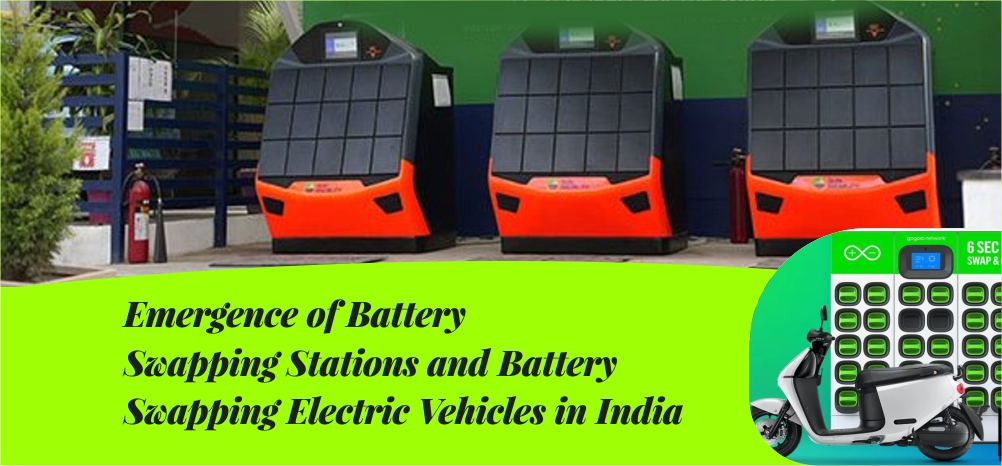
Battery swapping has emerged as a notable addition to conventional electric vehicle (EV) charging for electric two and three-wheelers that require hig...
IBEF BLOG
MORE
How Jute Products Support India's Eco-Friendly Economy
As the global economy moves towards sustainable production and consumption ...

India's Coworking Space Market: Driving Innovation, Entrepreneurship and Flexible Work
India's workplace ecosystem is undergoing a significant transformation ...

How Joha Rice Supports Assam's Agricultural Economy
Joha Rice is famous for its aroma and texture. It is different from the lon...
Partners