Advantage India
Growing
Demand
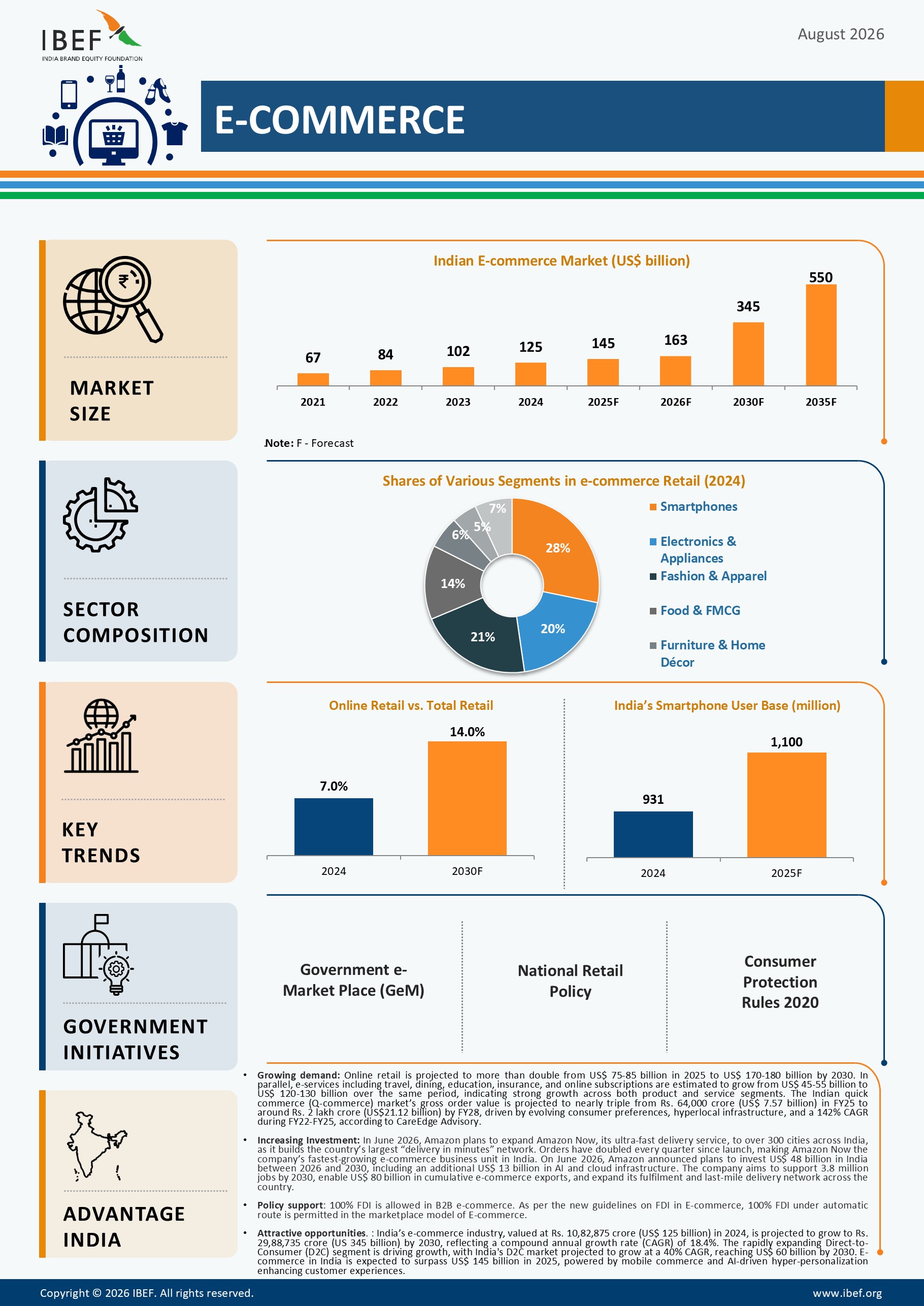
*Private consumption growth increased from 8% (2022–24) to 10.5% (2025). Growth was supported by government-led policy interventions, including a reduction in the Goods and Services Tax (GST) for select categories, personal income tax relief, easing inflation, and lower lending rates.
*The Indian quick commerce (Q-commerce) market’s gross order value is projected to nearly triple from Rs. 64,000 crore (US$ 7.57 billion) in FY25 to around Rs. 2 lakh crore (US$21.12 billion) by FY28, driven by evolving consumer preferences, hyperlocal infrastructure, and a 142% CAGR during FY22-FY25, according to CareEdge Advisory.
*India's online retail market reached approximately US$ 80 billion in FY26, registering 21% year-on-year growth, driven by rapid expansion of Quick Commerce, Value Commerce, and increasing digital adoption across Tier II and Tier III cities.

Attractive
Opportunities
*The rapidly expanding Direct-to-Consumer (D2C) segment is driving growth, with India's D2C market projected to grow at a 40% CAGR, reaching US$ 60 billion by 2030. E-commerce in India is expected to surpass US$ 145 billion in 2025.
*The Government e-Marketplace (GeM) completed a decade of operations on August 9, 2026, with cumulative GMV exceeding Rs. 20 lakh crore (US$ 226.31 billion) across more than 3.78 crore orders. Annual GMV crossed Rs. 5 lakh crore (US$ 56.57 billion) in FY2025-26, while the platform recorded Rs. 1.48 lakh crore (US$ 15.59 billion) in GMV during the first four months of FY2026-27.

Policy
support
*100% FDI is allowed in B2B e-commerce & marketplace model of E-commerce.
*Government initiatives like the National Logistics Policy and Digital India are boosting e-commerce by improving connectivity, streamlining logistics, and expanding digital access. These efforts aim to support the creation of a trillion-dollar online economy by 2025
*On August 5, 2026, The Government operationalised an inventory-based cross-border e-commerce export framework under FTP 2023, enabling registered Exporters-on-Record (EORs) to procure Indian-origin goods against confirmed overseas orders and manage export operations. The framework aims to streamline inventory management, payment reconciliation, returns and compliance, supporting Indian manufacturers, MSMEs and e-commerce sellers in accessing global markets.

Increasing
Investments
*On June 2026, Amazon announced plans to invest US$ 48 billion in India between 2026 and 2030, including an additional US$ 13 billion in AI and cloud infrastructure. The company aims to support 3.8 million jobs by 2030, enable US$ 80 billion in cumulative e-commerce exports, and expand its fulfilment and last-mile delivery network across the country.
*In June 2026, Amazon plans to expand Amazon Now, its ultra-fast delivery service, to over 300 cities across India, as it builds the country’s largest “delivery in minutes” network. Orders have doubled every quarter since launch, making Amazon Now the company’s fastest-growing e-commerce business unit in India.
*In April 2026, Amazon India announced plans to expand Amazon Now to 100 cities, backed by its Rs. 2,800 crore (US$ 300 million) investment to strengthen quick-commerce infrastructure, including micro-fulfilment centres and last-mile delivery capabilities.


Related News
MOREMajor Hubs for E-commerce
- Karnataka
- Delhi
- Maharashtra
- Tamil Nadu
- Andhra Pradesh

Industry Contacts

IBEF Campaigns
MORE

Case Studies
MOREContainerisation: Transforming India's Maritime Trade
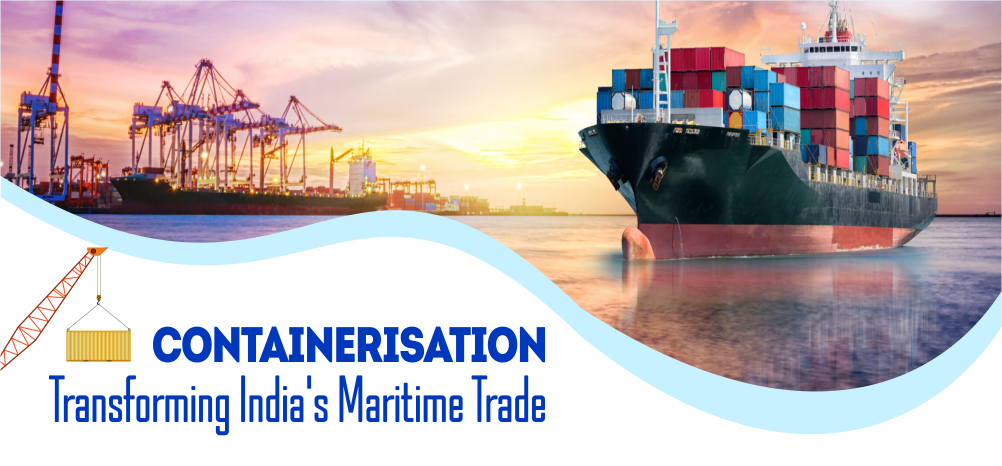
Despite other modes of transportation, the maritime shipping mode is the backbone of international trade. The concept of containerisation has revoluti...
India’s Growing Senior Care Needs: New Businesses and Services

The current state of India is characterised by the process of demographic transition with gradual growth of the proportion of senior citizens within t...
The Rise of India's Pathology Laboratories: Strengthening Quality and Safety in Healthcare

India has seen its healthcare system witness an impressive evolution in the last two decades because of the growth in healthcare infrastructure, incre...
IBEF BLOG
MORE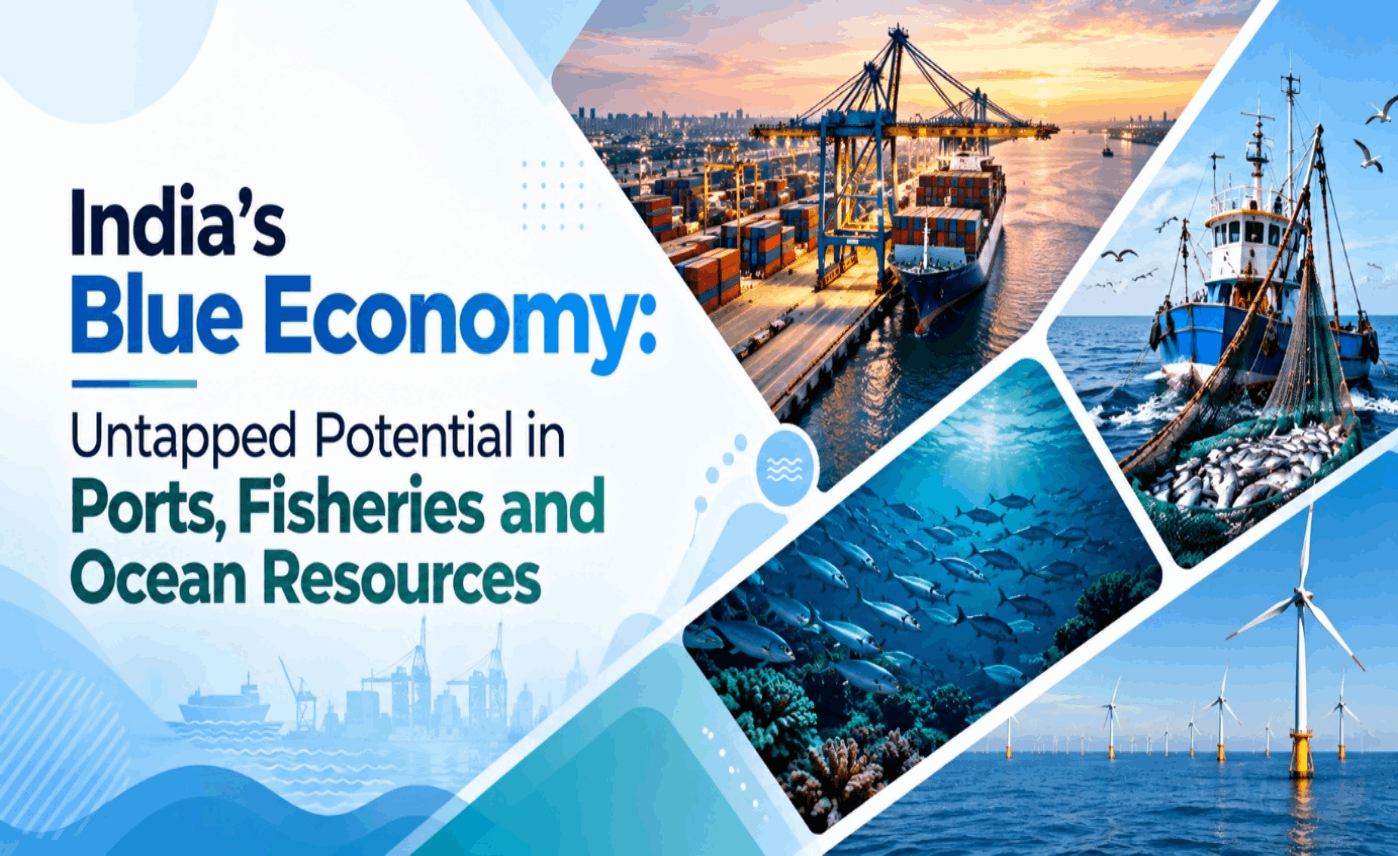
India's Blue Economy: Untapped Potential in Ports, Fisheries and Ocean Resources
The maritime space of India, which comprises the coastline, island areas, a...
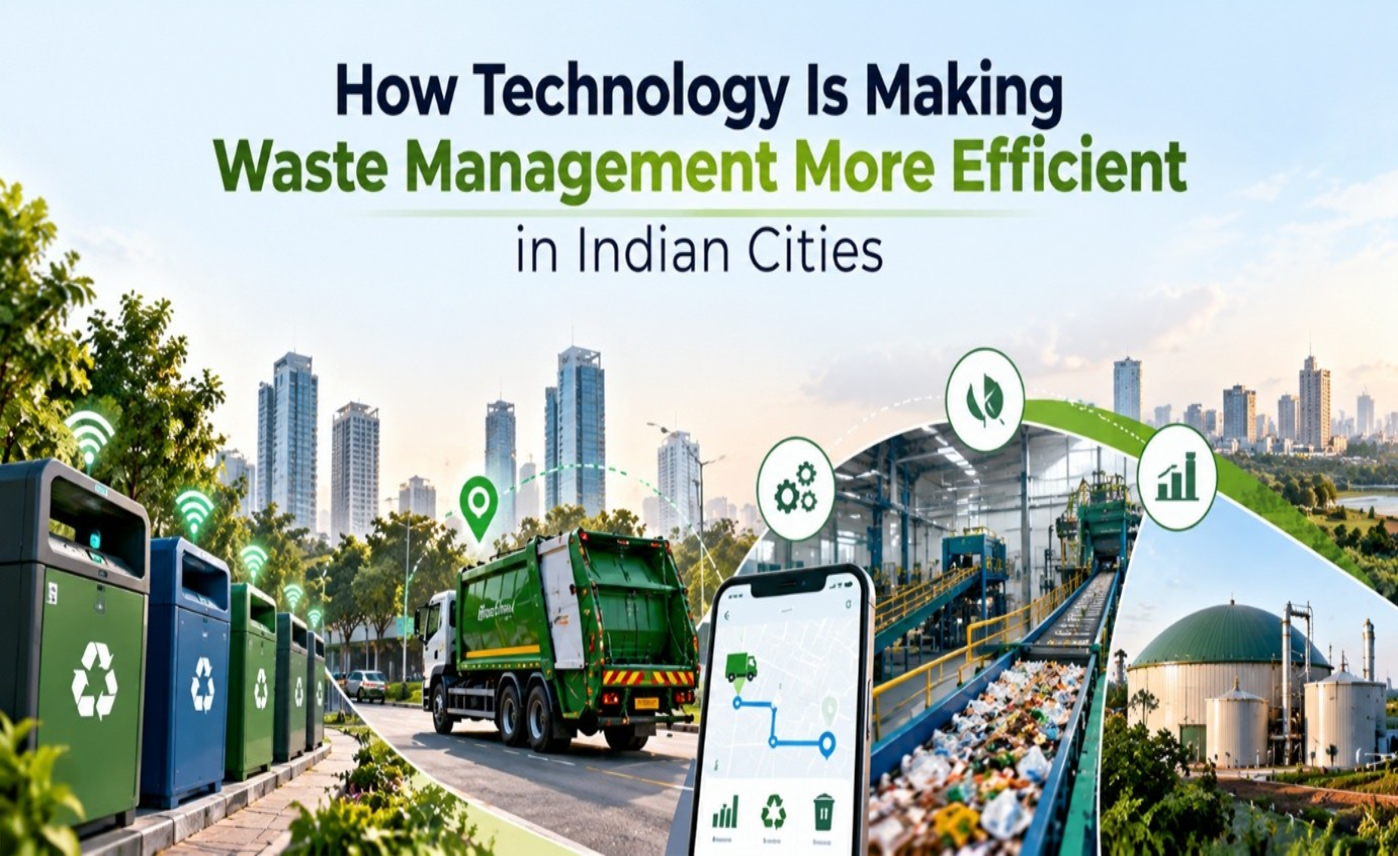
How Technology Is Making Waste Management More Efficient in Indian Cities
Indian cities are adopting digital monitoring, sensors, and automated waste...
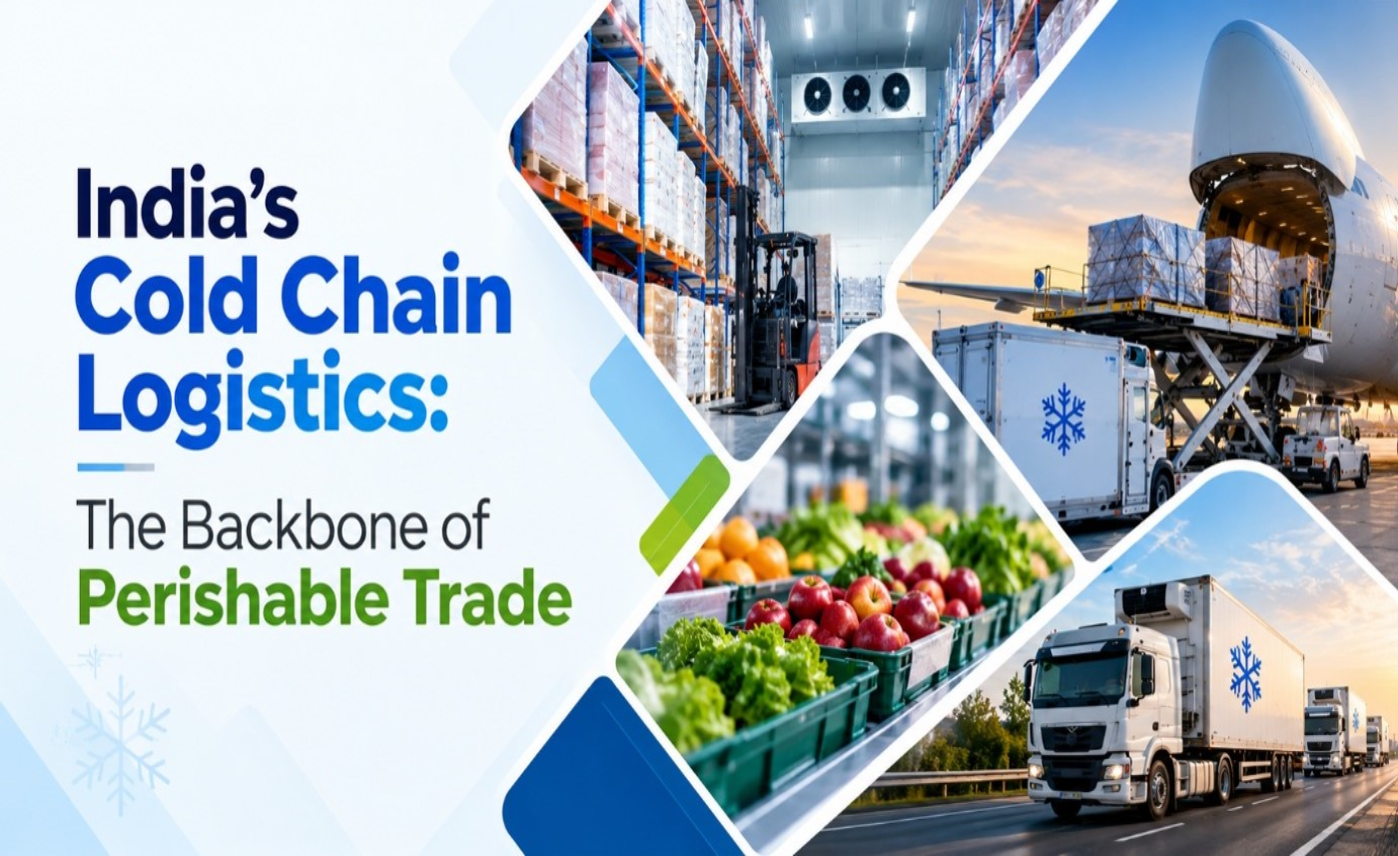
India's Cold Chain Logistics: The Backbone of Perishable Trade
India's cold chain network allows the transfer of perishables from farm...
Partners