Advantage India
Growing
Demand
*Private consumption growth increased from 8% (2022–24) to 10.5% (2025). Growth was supported by government-led policy interventions, including a reduction in the Goods and Services Tax (GST) for select categories, personal income tax relief, easing inflation, and lower lending rates.
*India’s quick commerce segment has emerged as a US$ 7–8 billion market in FY25, expanding at a CAGR of 110–130% over 2021–25. The segment is projected to reach US$ 65–70 billion by 2030, contributing nearly half of incremental e-retail growth, reflecting a structural shift toward high-frequency, convenience-led consumption.
*India's online retail market reached approximately US$ 80 billion in FY26, registering 21% year-on-year growth, driven by rapid expansion of Quick Commerce, Value Commerce, and increasing digital adoption across Tier II and Tier III cities.

Attractive
Opportunities
*The rapidly expanding Direct-to-Consumer (D2C) segment is driving growth, with India's D2C market projected to grow at a 40% CAGR, reaching US$ 60 billion by 2030. E-commerce in India is expected to surpass US$ 145 billion in 2025.
*The Government e-Marketplace (GeM) has emerged as a key digital public procurement platform in India, achieving a cumulative Gross Merchandise Value (GMV) of Rs. 18.4 lakh crore (US$ 208.2 billion), including over Rs. 5 lakh crore (US$ 56.6 billion) in FY 2025–26. The platform continues to strengthen transparency, efficiency and inclusivity in public procurement through technology-driven processes.

Policy
support
*100% FDI is allowed in B2B e-commerce & marketplace model of E-commerce.
*Government initiatives like the National Logistics Policy and Digital India are boosting e-commerce by improving connectivity, streamlining logistics, and expanding digital access. These efforts aim to support the creation of a trillion-dollar online economy by 2025
*The Union Budget 2025-26 backs MSMEs with increased investment limits, better credit support, and a Rs. 10,000 crore (US$ 1.17 billion) startup fund. It also promotes electronics manufacturing and Global Capability Centre in Tier 2 cities to strengthen e-commerce supply chains.

Increasing
Investments
*In April 2026, Amazon India announced plans to expand Amazon Now to 100 cities, backed by its Rs. 2,800 crore (US$ 300 million) investment to strengthen quick-commerce infrastructure, including micro-fulfilment centres and last-mile delivery capabilities.
*In April 2026 Ekart expanded its partnership with IKEA India to provide EV-powered last-mile delivery services in Chennai, strengthening sustainable logistics and omnichannel fulfilment capabilities.
*In December 2025, Amazon announced a US$ 35 billion investment in India by 2030, aimed at expanding digital infrastructure, scaling AI adoption, and boosting e-commerce exports to US$ 80 billion, reflecting strong long-term growth confidence in the market.

Amazon Seller Services Private Limited
Amazon India launched in June 2013 and is headquartered in Bengaluru, Karnataka. It is the Indian marketplace arm of Amazon and offers millions of products across categories including electronics, fashion, grocery, home & kitchen, beauty, books, and more. The platform serves customers across all serviceable pin codes in India through an extensive fulfilment, sortation, and last-mile delivery network.
Amazon has built one of India's largest logistics infrastructures, with more than 43 million cubic feet of storage capacity, close to 2,000 delivery stations, and thousands of delivery partners. In 2024 alone, the company delivered over 410 million items through same-day or next-day delivery, reflecting its focus on speed and customer convenience.
Read More

Flipkart Internet Pvt Ltd
Flipkart was founded in October 2007 by Sachin Bansal and Binny Bansal. It is one of India’s leading E-commerce marketplaces and is headquartered in Bengaluru. The company initially started as an online bookstore. Later, it also started selling other items such as movies and mobile phones. Now the company offers more than 80 million products spread across more than 80 categories. It has the capacity to delivery eight million shipments per month.
Flipkart Group raised an additional US$ 1.2 billion from Walmart-led investor group in July 2020. Its valuation has reached US$ 24.9 billion post equity round. Flipkart has pledged to completely transition to Electric Vehicles (EVs) by 2030 across its E-commerce value chain by partnering with Climate Group’s global electric mobility initiative, EV100.
Read MoreOne97 Communications Ltd. (Paytm)
Paytm, One97's flagship brand, is India's largest digital goods and mobile commerce platform - inspired and driven by a commitment to great consumer experience. Paytm is also a leading payment solutions provider to E-commerce merchants through its RBI approved semi-closed wallet. One97 delivers mobile content and commerce services to millions of mobile consumers through India’s most widely deployed telecom applications cloud platform. Headquartered in New Delhi, One97 is more than 4,500 people strong with regional offices in Mumbai, Bengaluru, Pune, Chennai and Kolkata and global presence across Africa, Europe, Middle East, and Southeast Asia.
Read More
Related News
MOREMajor Hubs for E-commerce
- Karnataka
- Delhi
- Maharashtra
- Tamil Nadu
- Andhra Pradesh

Industry Contacts

IBEF Campaigns
MORE

Aatmanirbhar Bharat Utsav 2024
Union Minister of External Affairs, Dr. S. Jaishankar and Union Commerce an...
Case Studies
MORESUV Dominance and the Future of Passenger Vehicles

India's passenger vehicle industry over the past two decades have been gone under significant changes. In particular, the market has been transfor...
Expressway Infrastructure Development Outlook in India
India's vision of becoming a Viksit Bharat by 2047 has positioned transport infrastructure as a cornerstone of its long-term economic growth strat...
The Rise of Contract Manufacturing in India's Electronics Sector
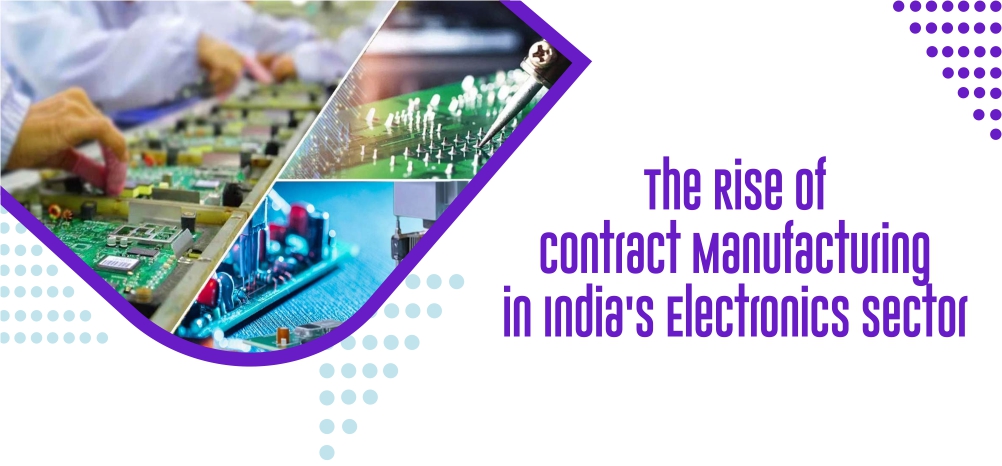
India's rise to become a large center for electronics manufacturing services is one of the most significant manufacturing changes in India's r...
IBEF BLOG
MORE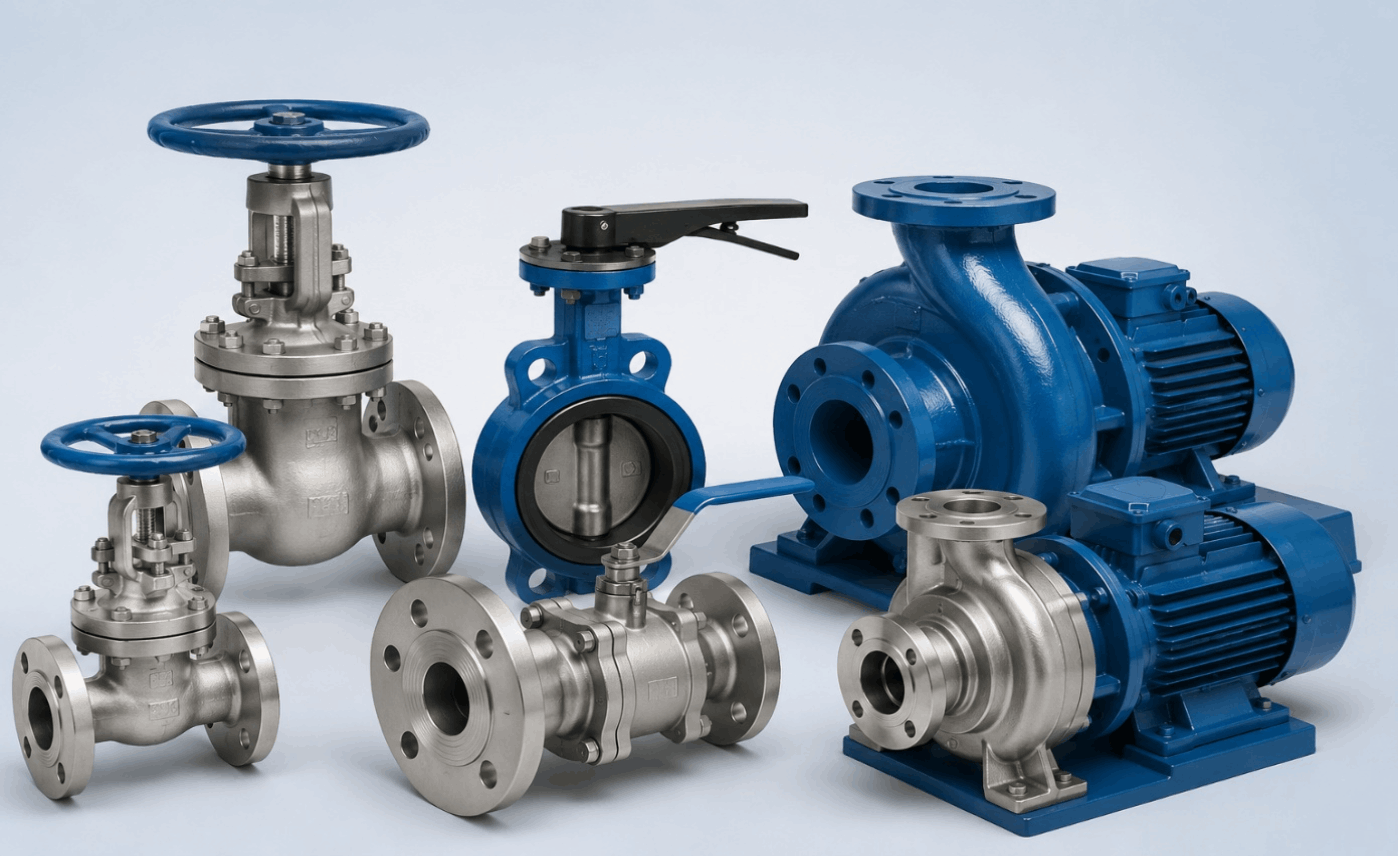
How India's Industrial Valve and Pump Industry Supports Infrastructure and Manufacturing
Pumps and industrial valves represent the basic building blocks of today&rs...
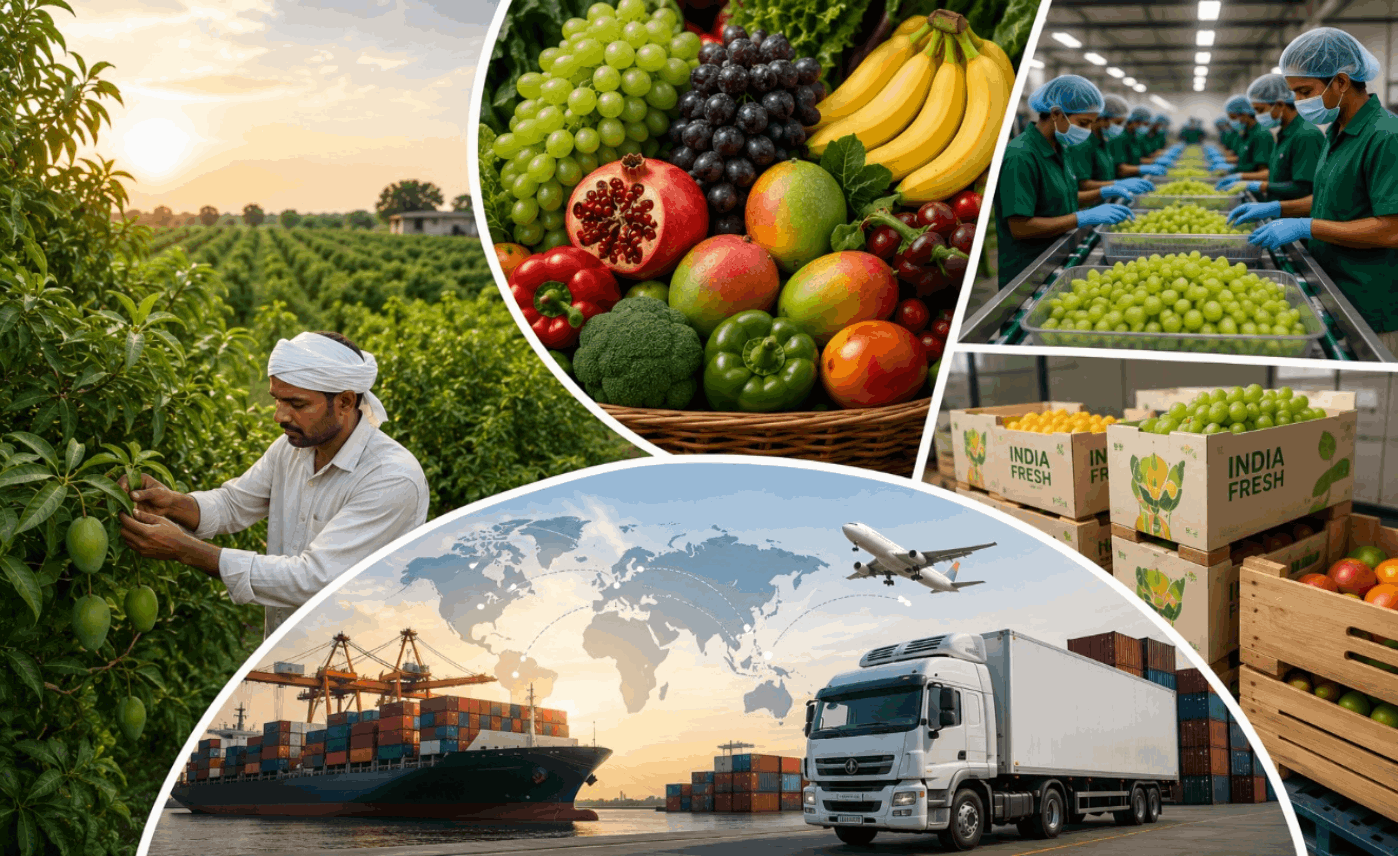
India's Premium Fresh Produce Exports: Creating New Opportunities for Farmers
India has emerged as a major exporter of horticulture crops owing to the pr...

India's Content Economy: Building Global Audiences Through Digital Entertainment
The digital entertainment ecosystem in India is currently experiencing a fu...
Partners