Advantage India
Demand
Growth
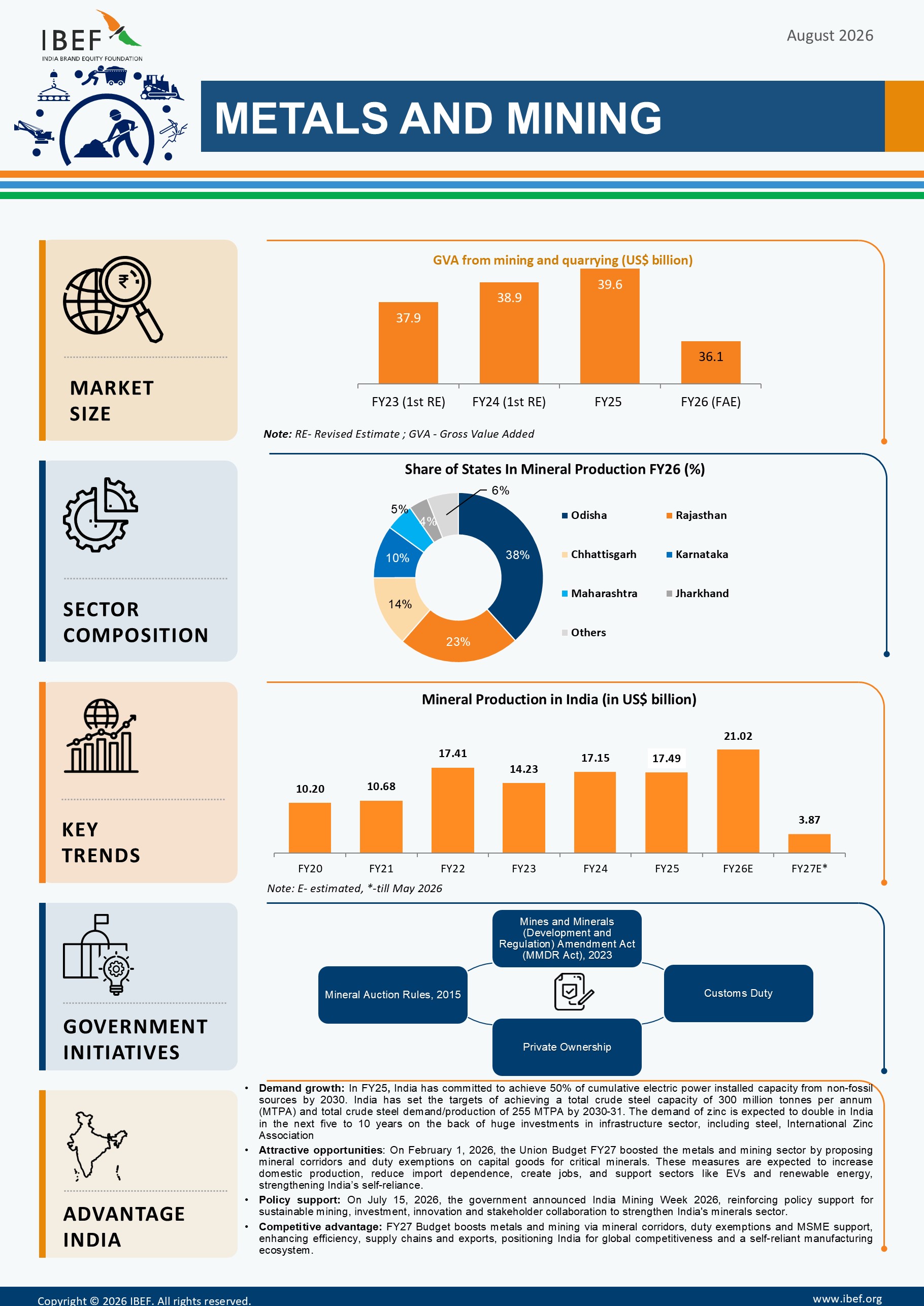
*May 5, 2026 India’s finished steel consumption reached 163.7 MT in 2025–26, driven by infrastructure, urbanisation and manufacturing growth, highlighting strong domestic demand.
*According to a report dated February 6, 2026, domestic copper consumption is expected to grow 10–12% annually over the next two years, driven by urbanisation, infrastructure expansion, and rising demand from renewable energy, electric vehicles, and power infrastructure .
*India's rapid infrastructure expansion is driving copper demand at 1.2-1.3 times GDP growth, prompting industry leaders to urge government support for expanding domestic copper capacity to meet rising demand from construction, renewable energy and electric vehicles.

Attractive
Opportunities
*February 27, 2026, Veteran investor Mr. Ramesh Damani highlighted that India’s metals and mining sector offers strong investment opportunities, supported by localisation of supply chains, rising domestic manufacturing, and the global push for self-reliance in critical resources.
*In January 2025, the Ministry of Steel has introduced the PLI Scheme 1.1 for specialty steel, covering five product categories, which aligns with the existing PLI Scheme. This initiative aims to encourage greater participation in response to industry requests for relaxation. The PLI Scheme 1.1 was open for applications from January 6 to January 31, 2025, and will be implemented from FY26 to FY30.
*Under the PLI Scheme for Specialty Steel, 57 MoUs with 27 companies have been signed, attracting investments of US$ 3.55 billion (Rs. 29,500 crores), creating an additional capacity of 25 MT and generating employment for 17,000 people by FY28.
*India’s mining & construction equipment sector is set to grow 19% annually, adding Rs. 8.5 lakh crore (US$ 99 billion) to the economy and 20 million jobs by 2030, backed by policy support and technology upgrades.

Policy
Support
*India launched the seven-year National Critical Mineral Mission in January 2025 with a proposed Rs. 16,300 crore (US$ 1.9 billion) outlay and an expected Rs. 18,000 crore (US$ 2.1 billion) investment by Public Sector Undertakings and other stakeholders to secure key minerals for clean energy and advanced technologies.
*India has strengthened policy support for the metals and mining sector through a series of key reforms. On February 03, 2026, initiatives such as the National Critical Mineral Mission and critical mineral auctions were advanced to enhance resource security. The Union Budget 2026-27 further introduced Rare Earth Corridors and incentives to boost domestic value chains. Earlier, reforms on December 31, 2025, including amendments to the MMDR Act and eased mining regulations, improved ease of doing business and supported higher mineral production.

Competitive
Advantage
*On June 02, 2026, industry experts highlighted that advanced engineering solutions are strengthening India's metals and mining sector by improving productivity, resource efficiency and sustainability, enhancing the industry's long-term global competitiveness and operational resilience.
*India is the second largest Aluminium producer, third largest lime producer and fourth largest iron ore producer in the world.
*The FY27 Budget strengthens the metals and mining sector through initiatives such as mineral corridors, duty exemptions, and MSME support, improving efficiency, reinforcing supply chains, and boosting exports, while advancing India’s global competitiveness and self-reliant manufacturing ecosystem.


Related News
MOREMajor Mining States
- Andhra Pradesh
- Jharkhand
- Odisha
- Rajasthan
- Karnataka
- Madhya Pradesh
- Maharashtra


IBEF Campaigns
MORE

Case Studies
MOREContainerisation: Transforming India's Maritime Trade
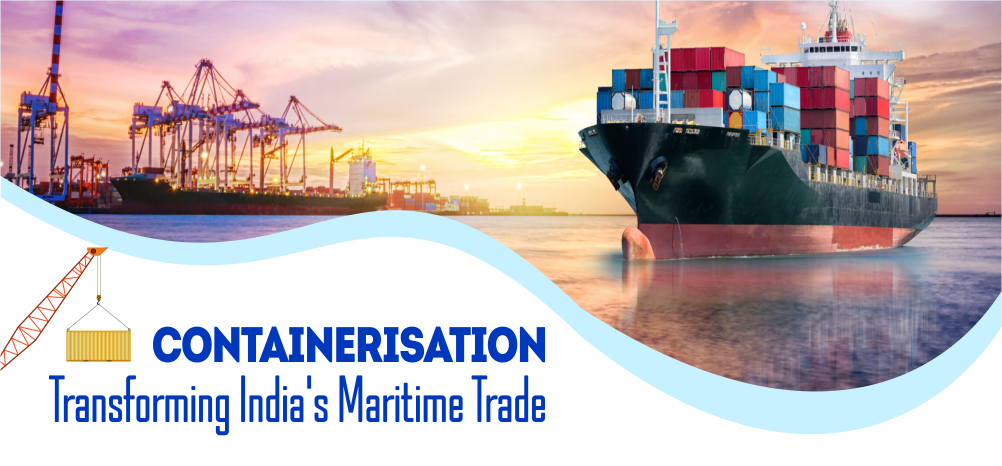
Despite other modes of transportation, the maritime shipping mode is the backbone of international trade. The concept of containerisation has revoluti...
India’s Growing Senior Care Needs: New Businesses and Services

The current state of India is characterised by the process of demographic transition with gradual growth of the proportion of senior citizens within t...
The Rise of India's Pathology Laboratories: Strengthening Quality and Safety in Healthcare

India has seen its healthcare system witness an impressive evolution in the last two decades because of the growth in healthcare infrastructure, incre...
IBEF BLOG
MORE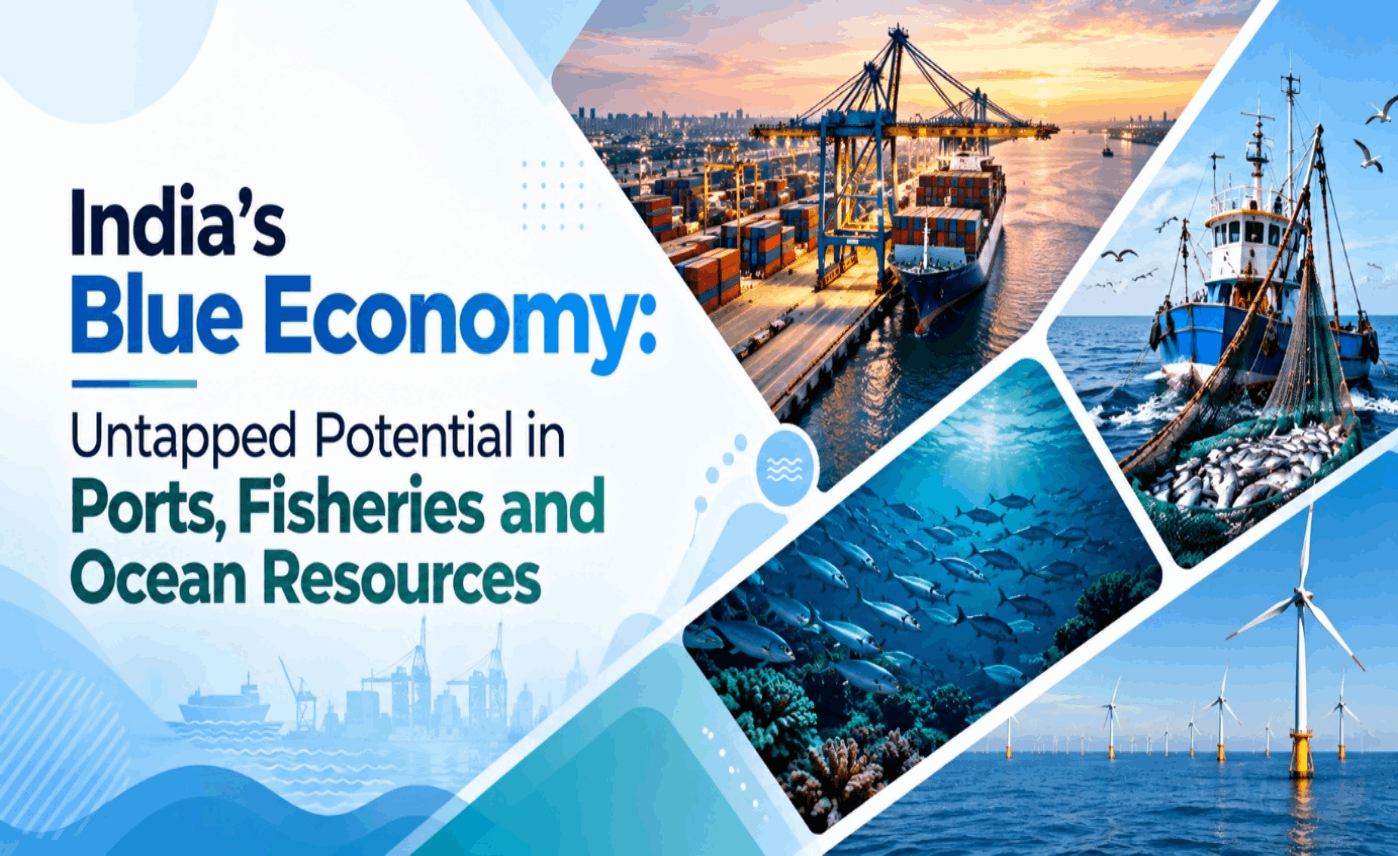
India's Blue Economy: Untapped Potential in Ports, Fisheries and Ocean Resources
The maritime space of India, which comprises the coastline, island areas, a...
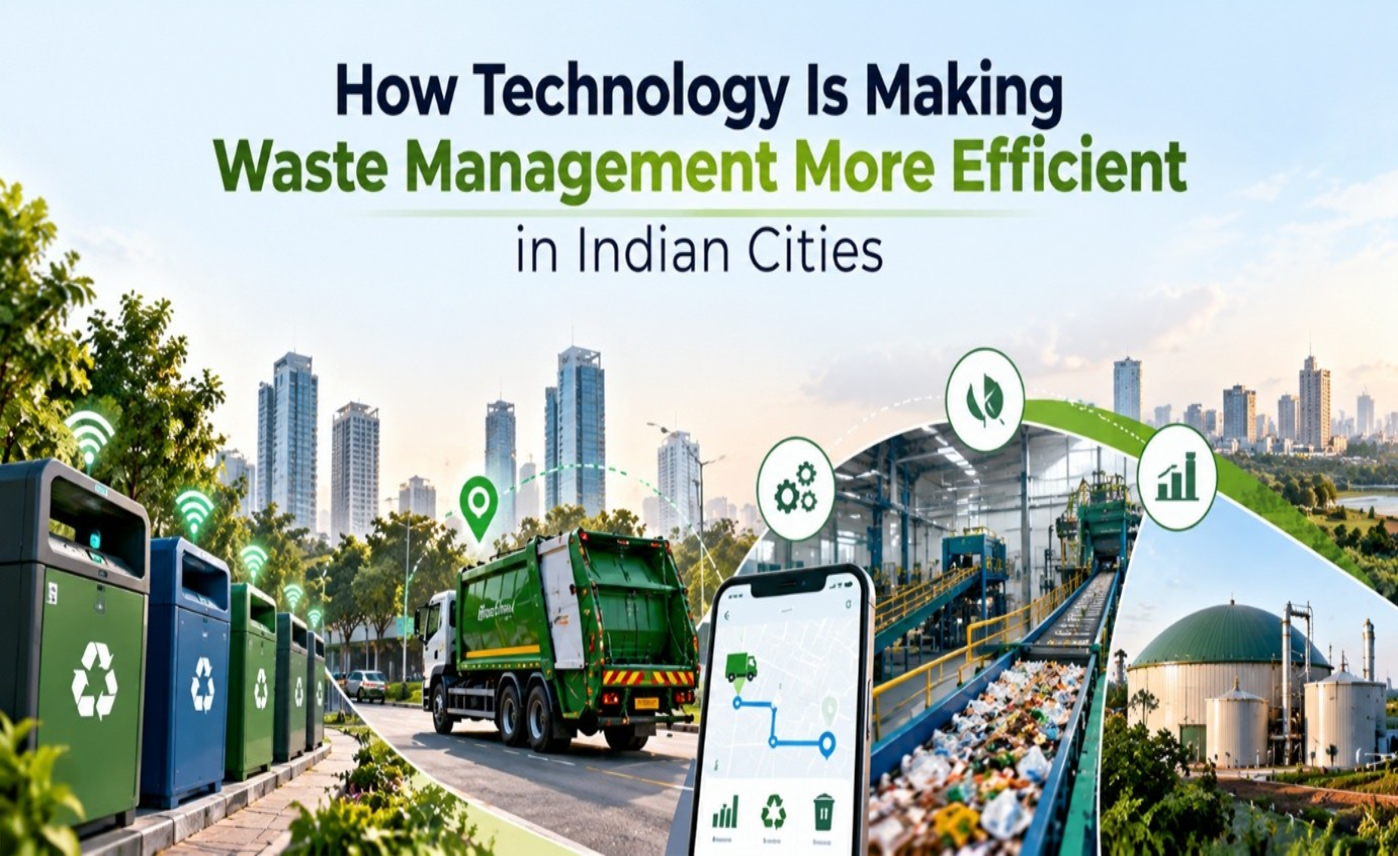
How Technology Is Making Waste Management More Efficient in Indian Cities
Indian cities are adopting digital monitoring, sensors, and automated waste...
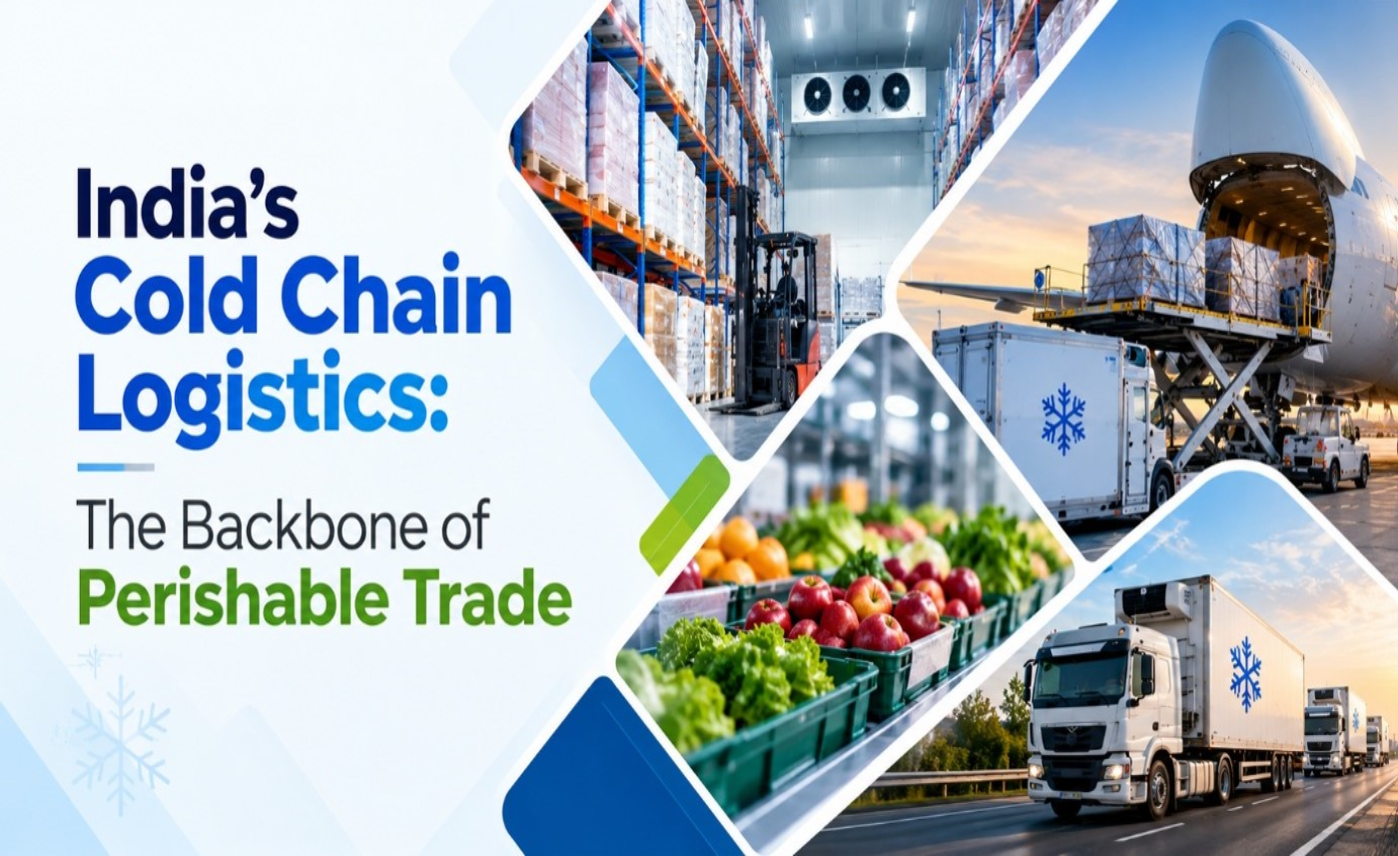
India's Cold Chain Logistics: The Backbone of Perishable Trade
India's cold chain network allows the transfer of perishables from farm...
Partners