Advantage India
Growing
Demand
*India is projected to account for 40% of the total global share of rail activity by 2050.
*The government announced 5,000 km of Metro rail network by 2047 in 100 cities.
*Indian Railways continued to witness steady growth in passenger traffic and earnings in FY26. The total number of passengers carried increased to 738 crore in 2025–26 from 729 crore in 2024–25.

Attractive
Opportunities
*Indian Railways, as of 2025, has expanded 35,000 km of track, produces 30,000 wagons and 1,500 locomotives annually, increased freight share to 29 %, cut accidents by 80 %, and plans 1,000 new trains and bullet train operations by 2027.

Higher
Investments
*Foreign Direct Investment (FDI) inflows in railway-related components stood at Rs. 9,344.43 crore (US$ 1.45 billion) for April 2000-March 2026. Rail infrastructure will see an investment of Rs. 50 lakh crore (US$ 715.41 billion) by 2030.
*Revenue of Indian railway sector companies is expected to grow 5 % in FY26, with operating margins around 12 %, supported by government capital outlay of Rs. 2,52,000 crore (US$ 29.41 billion) and a strong order book-to-income ratio of 2.77.

Policy
Support
*Government has allowed 100% FDI in the railway sector.
*From July 2025, Tatkal bookings now Aadhaar-authenticated with OTP verification, revised fares, early charts, and agent restrictions, improving convenience and transparency.
*On February 26, 2026, Indian Railways launched the RailTech Policy and portal to promote startup-led technology adoption and digitised the Railway Claims Tribunal, enabling online filing and hearings under the ‘52 Reforms in 52 Weeks” initiative.

Introduction
The Indian railway system is regarded as the foundation and lifeblood of the economy. Indian railways span thousands of kilometres practically covering the entire nation, making it the fourth largest in the world after the US, China, and Russia. The Railways Board, which has a monopoly over the provision of rail services in India, oversees overseeing the whole infrastructure. Due to its low cost and effective operations, railways continue to be the most popular means of transportation for most Indians when travelling long distances.
India's railway network is recognised as one of the largest railway systems in the world under single management. The railway network is also ideal for long-distance travel and movement of bulk commodities, apart from being an energy-efficient and economic mode of conveyance and transport. Indian Railways is the preferred carrier of automobiles in the country. The government of India has focused on investing in railway infrastructure by making investor-friendly policies. It has moved quickly to enable Foreign Direct Investment (FDI) in railways to improve infrastructure for freight and high-speed trains. At present, several domestic and foreign companies are also looking to invest in Indian rail projects.
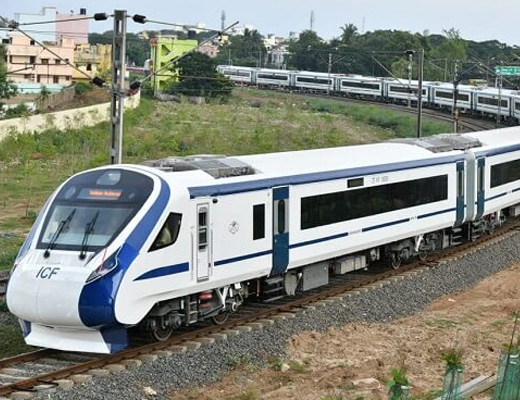
Indian Railways, as of 2025, has expanded 35,000 km of track, produces 30,000 wagons and 1,500 locomotives annually, increased freight share to 29 %, cut accidents by 80 %, and plans 1,000 new trains and bullet train operations by 2027.
Indian railways launched Semi-high-speed self-propelled trains that have ultra-modern features like quick acceleration, a substantial reduction in travel time, a maximum speed of 160 kmph, on-board infotainment and GPS-based passenger information system, automatic sliding doors, retractable footsteps and Zero discharge vacuum bio-toilets, CCTV cameras etc. and other contemporary features as per global standards.
According to Indian Railways 2023 book, Indian railways plan to market semi-high speed ‘Vande Bharat’ trains by 2025-26 to European, South American, and East Asian markets for exporting 'Made in India' trains.
Market Size
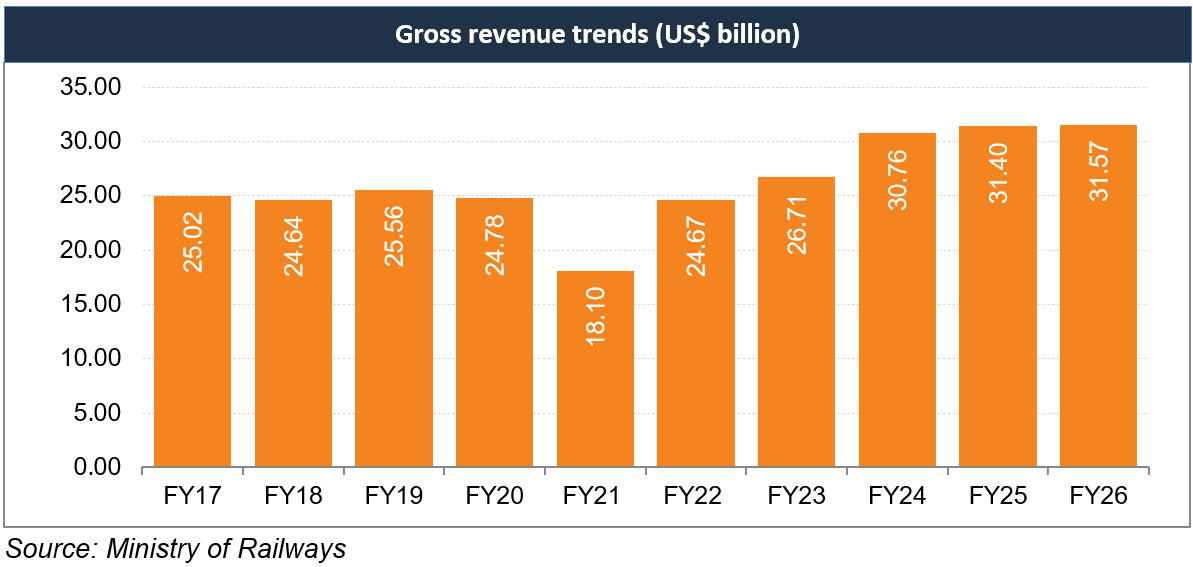
Indian Railways’ gross revenue stood at Rs. 2.79 trillion (US$ 31.57 billion) for FY26, reflecting the continued strength of its freight-led earnings model and steady growth in passenger revenues.
Revenue of Indian railway sector companies is expected to grow 5 % in FY26, with operating margins around 12 %, supported by government capital outlay of Rs. 2,52,000 crore (US$ 29.41 billion) and a strong order book-to-income ratio of 2.77.
Foreign Direct Investment (FDI) inflows in railway-related components stood at Rs. 9,344.43 crore (US$ 1.45 billion) for April 2000-March 2026.
As of April 1, 2025, Indian Railways has sanctioned 431 infrastructure projects, including 154 New Line, 33 Gauge Conversion and 244 Doubling, covering 35,966 km at an estimated cost of Rs. 6,75,000 crore (US$ 78.41 billion). Out of this, 12,769 km has been commissioned, with an expenditure of approximately Rs. 2,91,000 crore (US$ 33.65 billion) up to March 2025.
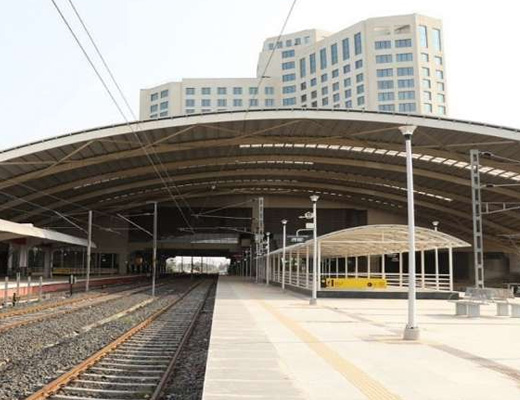
Indian Railways plans to invest Rs. 16,70,000 crore (US$ 193.98 billion) by 2031 to modernise 1,309 stations, expand freight corridors, develop high-speed rail projects, and electrify tracks, aiming to boost operational efficiency and reduce logistics costs.
India’s export of railways grew at and reached US$ 315 million in FY24 as compared to US$ 173 million in FY21.
Since 2016, Indian Railways has exported over 1,000 rail cars, 3,800 bogies, 4,000 flatpacks, and 5,000 propulsion systems to countries including Australia, Canada, Germany, Egypt, Sweden, Brazil, the UK, Saudi Arabia, France, Mexico, Romania, Spain, Italy, Mozambique, Senegal, Sri Lanka, Myanmar, Bangladesh, and the Republic of Guinea, reflecting rapid growth in global exports up to 2025.
The Marhowrah Diesel Locomotive Factory in Bihar will export 150 Evolution Series ES43ACmi locomotives to Guinea’s Simandou iron ore project under "Make in India," in a Rs. 3,000 crore (US$ 345.9 million) deal, boosting India’s global railway exports with advanced 4,500 HP locomotives and creating over 2,100 jobs nationwide.
Under the Union Budget 2026–27, Indian Railways has been allocated a record capital expenditure of Rs. 2,93,030 crore (US$ 33.16 billion), underscoring the government’s continued focus on modernising rail infrastructure, expanding network capacity, and strengthening freight and passenger connectivity.
The Union Budget 2026 proposed seven new high-speed rail corridors including Mumbai–Pune, Hyderabad–Bengaluru, Chennai–Bengaluru, Delhi–Varanasi and Varanasi–Siliguri—to accelerate high-speed connectivity across major economic regions.
India is expanding its railway manufacturing footprint globally, exporting coaches, bogies, locomotives, and propulsion systems to more than 16 countries, supported by rising orders and successful deliveries from facilities such as the Marhowra plant.
The total number of passengers carried increased to 738 crore in 2025–26 from 729 crore in 2024–25.
As on March 15, 2026, 162 Vande Bharat train services (Chair Car) and 02 Vande Bharat Sleeper Express are operational on the Indian Railways network. The average occupancy of Vande Bharat trains during 2025-26 (upto February 2026) is approximately 100%.
Indian Railways flagged off the first Vande Bharat Sleeper train in January 2026, offering speeds up to 180 kmph. With features like USB charging, modular pantries, enhanced safety, and showers in 1st AC coaches, it aims to redefine long-distance rail travel.
As of March 2025, Indian Railways operates more than 13,000 passenger trains, including 4,111 Mail and Express trains, 3,313 Passenger trains, and 5,774 Suburban trains.
During FY26, the total freight revenue stood at Rs. 1,78,457 crore (US$ 20.19 billion), compared to Rs. 1,71,163 crore (US$ 19.79 billion) recorded in FY25 and expected to reach Rs. 1,88,800 crore (US$ 20 billion) in FY27 as per the budget 2026-27.
In February 2026, Indian Railways reported freight earnings of Rs. 145.72 billion (US$ 1.65 billion), with freight loading rising 3.96% YoY to 137.72 million tonnes, driven by strong growth in steel, iron ore and fertiliser traffic.
In FY26, Indian Railways carried a record 1,700 million tonnes (MT) of freight, registering a 5.27% increase over the previous year, reflecting sustained growth in rail-based logistics demand.
India’s freight wagon market is expected to nearly double by 2031, rising to about Rs. 25,000 crore to Rs. 30,000 crore (US$ 2.83 billion to US$ 3.40 billion), driven by exports, technology upgrades and large-scale procurement.
During FY26, the total passenger revenue stood at Rs. 80,000 crore (US$ 9.05 billion), compared to Rs. 75,368 crore (US$ 8.72 billion) recorded in FY25 and expected to reach at Rs. 87,300 crore (US$ 9.25 billion) in FY27 as per the budget 2026-27.
Indian Railways continued to witness steady growth in passenger traffic and earnings in FY26. The total number of passengers carried increased to 738 crore in 2025–26 from 729 crore in 2024–25.
Freight loading on Indian Railways increased by 5.27% to 1,700 million tonnes (MT) in FY26 from 1,614.90 MT in FY25, driven by strong growth in key industrial commodities. Among major segments, fertilisers recorded the highest growth at 13.45%, followed by pig iron & steel (17.98%), other goods (5.98%), iron ore (6.11%), and containers (11.32%), reflecting sustained momentum in industrial activity and infrastructure development.
Indian Railways has boosted operational efficiency by modernising trains and stations, improving punctuality to 80% in FY26, deploying advanced Vande Bharat, Amrit Bharat, and Namo Bharat services, upgrading tracks and signaling, expanding bio-toilet coverage, and streamlining catering, all while maintaining affordable fares for over 720 crore passengers.
Indian Railways is developing and creating technology in areas such as signalling and telecommunication with 15,000 km being converted into automatic signalling and 37,000 km to be fitted with ‘KAVACH’, the domestically developed Train Collision Avoidance System.
Investments/ Developments
Following is some of the major investments and developments in India’s railways sector:
- In May 2026, Prime Minister Narendra Modi announced railway infrastructure projects worth approximately Rs. 1,535 crore (US$ 173.70 million) in Telangana to strengthen rail connectivity, ease network congestion, and improve passenger and freight transportation across the region. The projects include key sections of the Kazipet–Vijayawada multi-tracking corridor and the Kazipet Rail Under Rail Bypass, which are expected to enhance operational efficiency along one of India's busiest railway corridors.
- As of March 2026, Indian Railways had electrified 99.6% of its broad-gauge network.
- Indian Railways has planned an investment of Rs. 1.53 lakh crore (US$ 17.31 billion) for the development of 100 new projects in FY 2025–26. These projects are expected to expand the railway network by more than 6,000 kilometers.
- In February 2026, Indian Railways launched a Rail Tech Policy to promote innovation by engaging startups, industry and research institutions, with the government offering funding support of up to 50% for technology development projects.
- In February 2026, the government announced the complete digitisation of the Railway Claims Tribunal (RCT) through an e-filing and digital case management system to enable faster and more transparent settlement of passenger and freight claims.
- In February 2026, Indian Railways announced plans to manufacture 260 Vande Bharat sleeper trainsets, strengthening its premium long-distance passenger rail portfolio and supporting domestic rolling stock manufacturing.
- In December 2025, Indian Railways prepared its first indigenously developed hydrogen-powered train for trials, featuring a 10-coach configuration with 2,400 kW power output, marking a major step toward clean and sustainable rail transport under the Atmanirbhar Bharat initiative.
- In November 2025, India and Nepal signed an agreement to strengthen rail trade connectivity to improve freight movement and deepen economic integration between the two countries.
- In October 2025, India announced plans to develop Vande Bharat 4.0 with advanced technology and upgraded passenger features, positioning it for global export within the next 18 months.
- In September 2025, India announced plans to invest Rs. 30,000 crore (US$ 3.4 billion) to build 500 km of new strategic railway lines, including bridges and tunnels, near its China border to enhance logistics and defence preparedness.
- In September 2025, India announced that it will establish its first rail links with Bhutan through the Kokrajhar to Gelephu and Banarhat to Samtse routes with a total outlay of Rs. 4,033 crore (US$ 454 million).
- As of April 1, 2025, Indian Railways has sanctioned 431 infrastructure projects, including 154 New Line, 33 Gauge Conversion and 244 Doubling, covering 35,966 km at an estimated cost of Rs. 6,75,000 crore (US$ 78.41 billion). Out of this, 12,769 km has been commissioned, with an expenditure of approximately Rs. 2,91,000 crore (US$ 33.65 billion) up to March 2025.
- In 2025-26, Railways’ capital expenditure is targeted at Rs. 3,02,000 crore (US$ 34.7 billion).
- Indian Railways unveiled its first 9,000 HP electric locomotive in April 2025 to boost hauling capacity and operational performance.
- The Rs. 1,800 crore (US$ 209.1 million) “Brahma” rail coach hub near Bhopal will be developed as a green factory with zero liquid waste, renewable energy use, rainwater harvesting, and sustainable materials, setting new eco-friendly benchmarks in rail manufacturing.
- The Delhi-Mumbai and Delhi-Howrah routes are being upgraded to 160 kmph, with new 3rd and 4th lines being constructed on several sections, double-line freight corridors commissioned, and the Mumbai-Ahmedabad High-Speed Rail Corridor under active construction.
- A wave of on-demand, shared, and electric-powered urban transportation services will generate Rs. 56,44,320 crore (US$ 660 billion) in revenue globally by 2030.
- Over 21,800 track km (TKM) of Indian Railways are now fit to run semi-high-speed trains of 130 km per hr in India, as per an internal report of the Ministry.
- Around 76% of the excavation work has been completed on the Mumbai bullet train station located at 'Bandra Kurla Complex' (BKC), which is the only underground station on the Mumbai-Ahmedabad High-Speed Rail Corridor. According to the official report, 14.2 lakh cubic metres of the excavation work has been completed. 18.7 lakh cubic metres of earthwork must be excavated from this site.
- In a significant move towards enhancing passenger experience by returning the lost/missing mobile phones, the Railway Protection Force (RPF) has successfully onboarded with the Central Equipment Identity Register (CEIR) portal of the Department of Telecommunication. This initiative follows the success of a pilot program in the Northeast Frontier Railway (NFR).
- Indian Railways has taken a major step towards automation and efficiency in rolling stock maintenance by signing a Memorandum of Understanding (MoU) with the Delhi Metro Rail Corporation (DMRC) for the procurement and installation of Automatic Wheel Profile Measurement Systems (AWPMS).
- India is in the process of developing high-speed train sets capable of reaching a maximum speed of 280 km/h. These trains are being designed and manufactured by the Integral Coach Factory in collaboration with BEML. Each train car is estimated to cost approximately Rs. 28 crore (US$ 3.2 million) and will incorporate advanced features such as aerodynamic designs, sealed gangways, and modern amenities.
- India aims to transform Indian Railways into a net-zero emitter as part of its broader energy goals by 2030, as confirmed by Prime Minister Mr. Narendra Modi.
- The implementation of the PPP model is anticipated to meet the growing demand for mineral and coal transportation, with the development of these corridors, integral to the economic corridor program, projected to attract over Rs. 5.25 lakh crore (US$ 60.43 billion) in investments by 2031.
- Siemens Ltd announced on Monday that it has been awarded a Rs. 210 crore (US$ 24.2 million) contract by IRCON International Ltd for the electrification of the Sivok-Rangpo rail line.
- As of April 1, 2024, Indian Railways has 488 railway infrastructure projects underway, including 187 new lines, 40-gauge conversions, and 261 doubling projects, totalling 44,488 km and costing approximately Rs. 7.44 lakh crore (US$ 89.4 billion). Of this, 12,045 km has been commissioned, with an expenditure of around Rs. 2.92 lakh crore (US$ 35.1 billion) incurred by March 2024.
- Indian Railways has achieved a remarkable expansion of 31,180 km from 2014 to 2024.
- Prime Minister, Mr. Narendra Modi lays the foundation stone and dedicates to the nation multiple developmental projects worth over Rs. 1.06 lakh crore (US$ 12.8 billion) in Ahmedabad, Gujarat.
- Prime Minister, Mr. Narendra Modi, rides the underwater metro and launches Rs. 15,400 crore (US$ 1.8 billion) projects in Kolkata for better connectivity.
- In 2024-25, railways’ capital expenditure is targeted at US$ 30.33 billion (Rs. 2.52 lakh crore).
- As on January 31, 2024, 41 trains of the Vande Bharat service are running on the Indian Railways, linking states with a Broad Gauge (B.G.) electrified network.
- With a view to improve rail connectivity and ease travel for commuters, the Union Cabinet approved seven projects for the Ministry of Railways in August 2023 at a cost of around Rs. 32,500 crore (US$ 3.93 billion). Spanning 35 districts in nine States - Uttar Pradesh, Bihar, Telangana, Andhra Pradesh, Maharashtra, Gujarat, Odisha, Jharkhand, and West Bengal, the projects will add 2,339 km to the existing network.
- In June 2023, IRCON (formerly Indian Railways Construction Company Limited) signed a memorandum of understanding (MoU) with the National Investment and Infrastructure Fund Limited and Ayana Renewable Power Limited. This partnership will consider suitable opportunities for solar energy production for the Indian Railways as they intend to increase the share of renewables in their overall energy mix.
- The focus on increasing the use of technology to improve safety and efficiency. This includes the use of CCTV cameras in trains and at stations, the implementation of an Automatic Train Protection (ATP) system to prevent collisions, and the use of GPS-based systems for real-time tracking of trains.
- Indian Railways is also working on upgrading its infrastructure, with a focus on electrification of lines, the construction of new lines, and the redevelopment of existing stations. The government has also announced plans to invest in high-speed trains, such as the Mumbai-Ahmedabad High-Speed Rail project, which is being implemented with the assistance of Japan.
- The Indian Railways is likely to deliver 58 supercritical as well as 68 critical projects worth more than Rs.1,15,000 crore (US$ 15.44 billion) in the next few years. 29 supercritical projects—spanning 1,044 km and costing Rs. 11,588 crore (US$ 1.5 billion)—have been commissioned. Four projects worth Rs. 1,408 crore (US$ 189.05 million) have been completed and the remaining projects are targeted for completion by March 2024.
- The Indian Railways completed eight major capacity enhancement projects by taking advantage of the coronavirus lockdown. These projects included three supercritical projects with a combined length of 68km, three critical projects with a combined length of 45km, upgradation of the entire 389km railway line from Jhajha in Bihar to Pandit Deen Dayal Upadhyaya Junction in Uttar Pradesh and a new 82km port connectivity line to Paradip.
- As a part of the Railways’ plans to upgrade its network, the Ministry announced that all non-AC sleeper coaches will be replaced by AC coaches for trains running >130 kmph. This move has been taken as a technical necessity for high-speed trains with the bonus of improving the passenger experience.
Government Initiatives
The Government of India has adopted few initiatives for the Railways sector in the recent past, some of these are as follows:
- Ministry of Railways is considering six project proposals on PPP mode for Railway terminal infrastructure including stations and adjoining commercial infrastructure.
- On February 26, 2026, nine divisions of Indian Railways signed MoUs with Indian Army organisations to recruit over 5,000 ex-servicemen as Pointsmen, strengthening railway operations while creating second-career opportunities for veterans and Agniveers.
- In February 2026, Indian Railways introduced the e-Railway Claims Tribunal (e-RCT) system to fully digitise claim filing and case processing across 23 tribunal benches, improving transparency, accessibility, and faster dispute resolution for passengers.
- Rail Tech Policy announced AI-based safety innovations, including elephant intrusion detection, AI-enabled fire detection in coaches, drone-based broken rail detection, and obstruction detection in fog to improve railway safety and efficiency.
- In January 2026, Indian Railways completed a 100-metre-long ‘Make in India’ steel bridge in Ahmedabad for the Mumbai–Ahmedabad Bullet Train Project, marking the 13th steel bridge completed in Gujarat out of the planned 17.
- Andhra Pradesh plans a South India bullet train corridor connecting Hyderabad, Chennai, Amaravati, and Bengaluru, serving over five crore people and boosting trade, jobs, and regional economic growth.
- From July 2025, introduced Aadhaar-authenticated Tatkal bookings, OTP verification, revised fares, early reservation charts, and agent restrictions to improve passenger convenience and transparency.
- The RailOne app, launched on 1 July 2025, offers passengers a single platform for unreserved ticketing, live train tracking, grievance redressal, and other services, while the modern PRS set for December 2025 will handle high-volume bookings efficiently.
- The UTS mobile app now covers 9,120 stations, with around 2.34 lakh tickets booked daily, facilitating travel for approximately 14.21 lakh passengers and generating revenue of about Rs. 1.33 crore (US$ 1,54,490) each day.
- As of March 2025, out of the total 2,843 km of India’s DFC, comprising the EDFC from Ludhiana to Sonnagar (1,337 km) and the WDFC from Jawaharlal Nehru Port Terminal to Dadri (1,506 km), 2,741 km (96.4%) has been commissioned and made operational.
- In an initiative to decarbonise rail transport, Indian Railways is collaborating with public sector enterprises to accelerate track electrification, achieving 45,922 route kilometres (RKM) electrified between 2014 and February 2025, marking more than a fivefold increase compared to 21,801 RKM electrified before 2014.
- Passenger safety and experience have improved with modern trains (Vande Bharat, Amrit Bharat, Namo Bharat), Kavach implementation, elimination of level crossings, 1,337 redeveloped stations, Bharat Gaurav tourist trains, digital payments, and Rolling Blocks for planned maintenance.
- Indian Railways is modernising its long-standing train control systems to enhance safety, improve efficiency, and support faster, more reliable operations across the network.
- Starting November 1, 2024, Indian Railways has revised its ticket booking rules by reducing the advance reservation period (ARP) from 120 days to 60 days.
- The Union Cabinet chaired by Prime Minister Mr. Narendra Modi announced about the MoU signed with USAID/India on June 14, 2023, help Indian Railways achieve Net Zero Carbon Emission by 2030.
- Indian Railways (IR) is proactively working towards the achievement of Net Zero Carbon Emission by 2030.
- As part of its commitment to reduce carbon footprints, Indian Railways is taking several initiatives. In line with this, a Memorandum of Understanding (MoU) was signed between Indian Railways, Government of India and United States Agency for International Development/India (USAID/India) on 14th June 2023 for collaboration on Renewable energy and Energy Efficiency. The MoU was signed by Shri Naveen Gulati, Member (Traction and Rolling Stock), Railway Board, Indian Railways and Ms. Isabel Coleman, Deputy Administrator, USAID, in the presence of Sh. Anil Kumar Lahoti, Chairman & CEO, Railway Board.
- Under the Union Budget 2023-24, capital outlay of Rs. 2.40 lakh crore (US$ 29 billion) has been allocated to the Ministry of Railways, which is the highest ever outlay and about nine times the outlay made in 2013-14.
- Under the Union Budget 2023-24, the government allocated US$ 29 billion to the Ministry of Railways.
- The Bairabi-Sairang project aims to create an additional 51.38 km of railway track in northeast India.
- 100 PM-GatiShakti Cargo Terminals for multimodal logistics facilities will be developed over next three years.
- Multimodal connectivity between mass urban transport and railway stations will be facilitated on priority.
- 2,000 km of network will be brought under Kavach, the indigenous technology for safety and capacity augmentation.
- ‘One Station-One Product’ concept will be popularized to help local businesses and supply chains.
- The new & upgraded version of Vande Bharat Express between Gandhinagar Capital & Mumbai Central was inaugurated by Prime Minister Mr. Narendra Modi on September 30, 2022.
- The Government is going to come up with a ‘National Rail Plan’ to enable the country to integrate its rail network with other modes of transport and develop a multi-modal transportation network.
- A 'New Online Vendor Registration System' has been launched by Research Designs & Standards Organisation (RDSO), the research arm of Indian Railways, to have digital and transparent systems and procedures.
- The Ministry of Railways plans to monetize assets including Eastern and Western Dedicated Freight Corridors after commissioning, induction of 150 modern rakes through PPP, station redevelopment through PPP, railway land parcels, multifunctional complexes (MFC), railway colonies, hill railways and stadiums.
Road Ahead
Indian Railways is poised for sustained long-term growth, supported by a record capital expenditure allocation of Rs. 2.93 trillion (US$ 33.16 billion) in Union Budget 2026–27 and continued investments in network expansion, safety, and high-speed connectivity. Ongoing initiatives such as multitracking projects, station redevelopment under the Amrit Bharat Station Scheme, 100% electrification efforts, and capacity augmentation through dedicated freight corridors are expected to significantly enhance operational efficiency, reduce logistics costs, and improve passenger experience. The continued rollout of Vande Bharat sleeper trainsets and progress on the Mumbai–Ahmedabad Bullet Train project further reinforce the sector’s transition towards modern, technology-driven rail infrastructure.
Going forward, strong momentum in freight loading, premium passenger services, and green mobility initiatives is expected to support revenue growth and strengthen Railways’ role as the backbone of India’s transport and logistics ecosystem. Rising investments in digitalisation, AI-led safety systems, startup-led innovation, and integrated cargo terminals under the PM Gati Shakti framework are likely to improve service reliability and network efficiency. With sustained policy support and infrastructure modernisation, Indian Railways is well-positioned to drive economic growth, support industrial supply chains, and advance India’s vision of a globally competitive and sustainable transport network.
References: Press Releases, Department of Industrial Policy and Promotion, Press Information Bureau, Media Reports, Railways Budget 2026-27, Indian Railways
FAQs
The Indian Railways Industry is one of the world's largest railway networks under single management, comprising passenger, freight, high-speed rail, rolling stock manufacturing, station infrastructure, and logistics. It serves as the backbone of India's transportation system and industrial supply chains.
The Railway industry supports economic growth by transporting over 738 crore passengers and 1,700 million tonnes of freight annually. It lowers logistics costs, improves connectivity, supports manufacturing, and strengthens domestic and international trade across India.
The Indian Railways Industry comprises passenger transportation, freight logistics, high-speed rail, metro connectivity, railway infrastructure, rolling stock manufacturing, signalling systems, station redevelopment, and export-oriented rail equipment manufacturing. These segments collectively support India's transport and logistics ecosystem.
The Railway industry is expanding due to record capital expenditure, dedicated freight corridors, Vande Bharat trains, network electrification, AI-enabled safety systems, station redevelopment, and increasing investments in high-speed rail and multimodal logistics infrastructure.
The Indian Railways Industry is being modernised through Vande Bharat and Bullet Train projects, Kavach train protection, 99.6% broad-gauge electrification, hydrogen-powered trains, AI-based safety systems, and the redevelopment of over 1,300 railway stations.
The Government is strengthening the Indian Railways Industry through the National Rail Plan, PM Gati Shakti, Amrit Bharat Station Scheme, Rail Tech Policy, Dedicated Freight Corridors (DFC), PPP projects, Kavach, and a record Union Budget FY27 capital outlay of US$ 33.16 billion.
The Railway industry offers investment opportunities across rolling stock manufacturing, station redevelopment, freight corridors, high-speed rail, signalling, electrification, logistics parks, railway technology, and PPP projects. Rising FDI and export opportunities continue to strengthen investor interest.
Indian Railways is India's largest mass transport network, carrying 738 crore passengers and a record 1,700 million tonnes of freight in FY26. Dedicated freight corridors, Vande Bharat services, and improved punctuality are enhancing both logistics efficiency and passenger experience.
The Indian Railways Industry is expected to witness sustained growth, supported by US$ 193.98 billion planned investments by 2031, high-speed rail corridors, Vande Bharat sleeper trains, railway exports, green mobility, and the goal of achieving Net Zero carbon emissions by 2030.
Related News
MOREIndian Railways

Industry Contacts

IBEF Campaigns
MORE

Aatmanirbhar Bharat Utsav 2024
Union Minister of External Affairs, Dr. S. Jaishankar and Union Commerce an...
Case Studies
MOREThe Rise of India's Pathology Laboratories: Strengthening Quality and Safety in Healthcare

India has seen its healthcare system witness an impressive evolution in the last two decades because of the growth in healthcare infrastructure, incre...
SUV Dominance and the Future of Passenger Vehicles

India's passenger vehicle industry over the past two decades have been gone under significant changes. In particular, the market has been transfor...
Expressway Infrastructure Development Outlook in India
India's vision of becoming a Viksit Bharat by 2047 has positioned transport infrastructure as a cornerstone of its long-term economic growth strat...
IBEF BLOG
MORE
Consumer Market in India: The Rise of Premium, Sustainable and Experience-Based Consumption
The consumer market in India is undergoing the process of transition fueled...
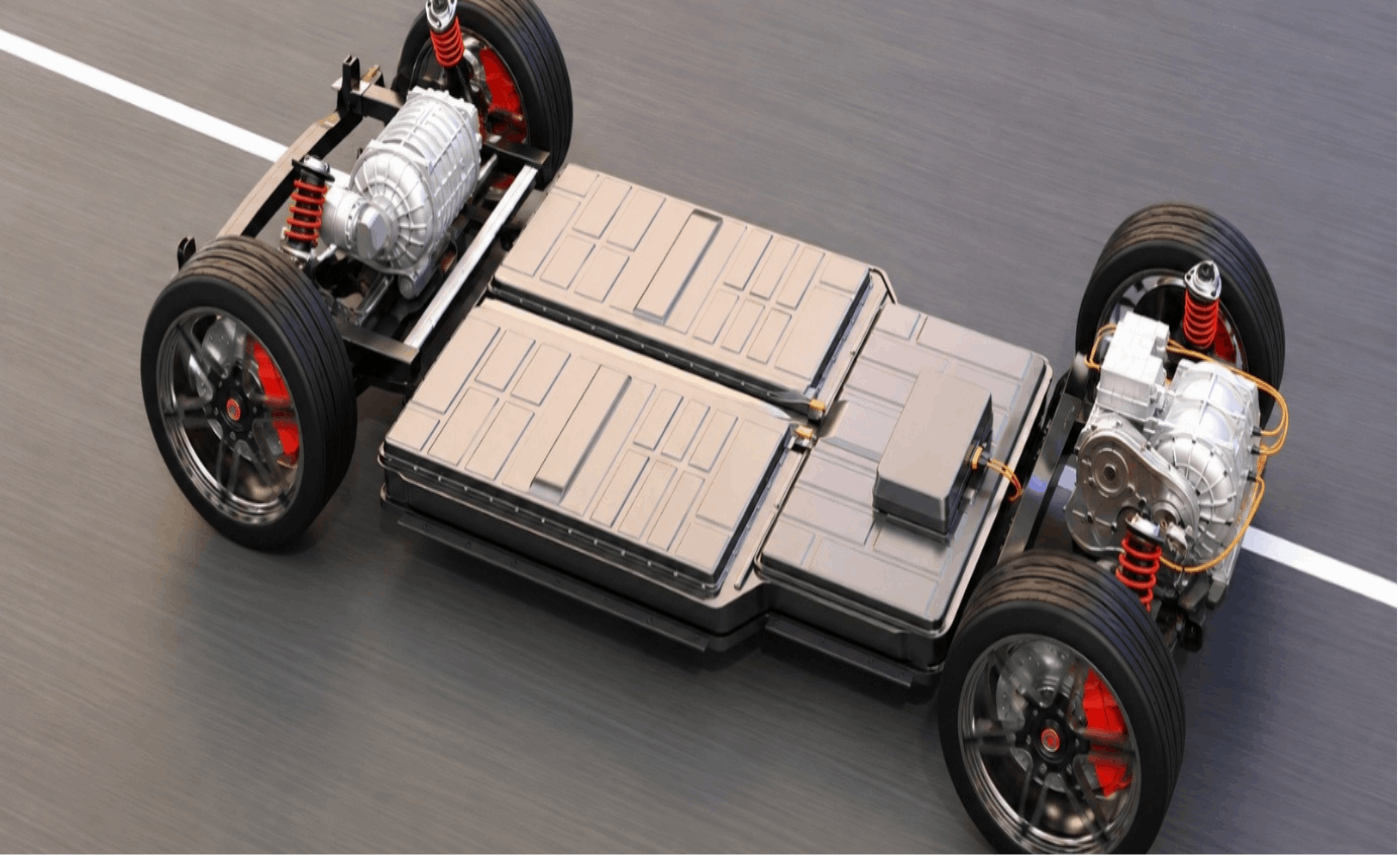
How Battery Technology Is Transforming the Electric Vehicles Market
Battery technology is emerging as a critical driver of India’s electr...
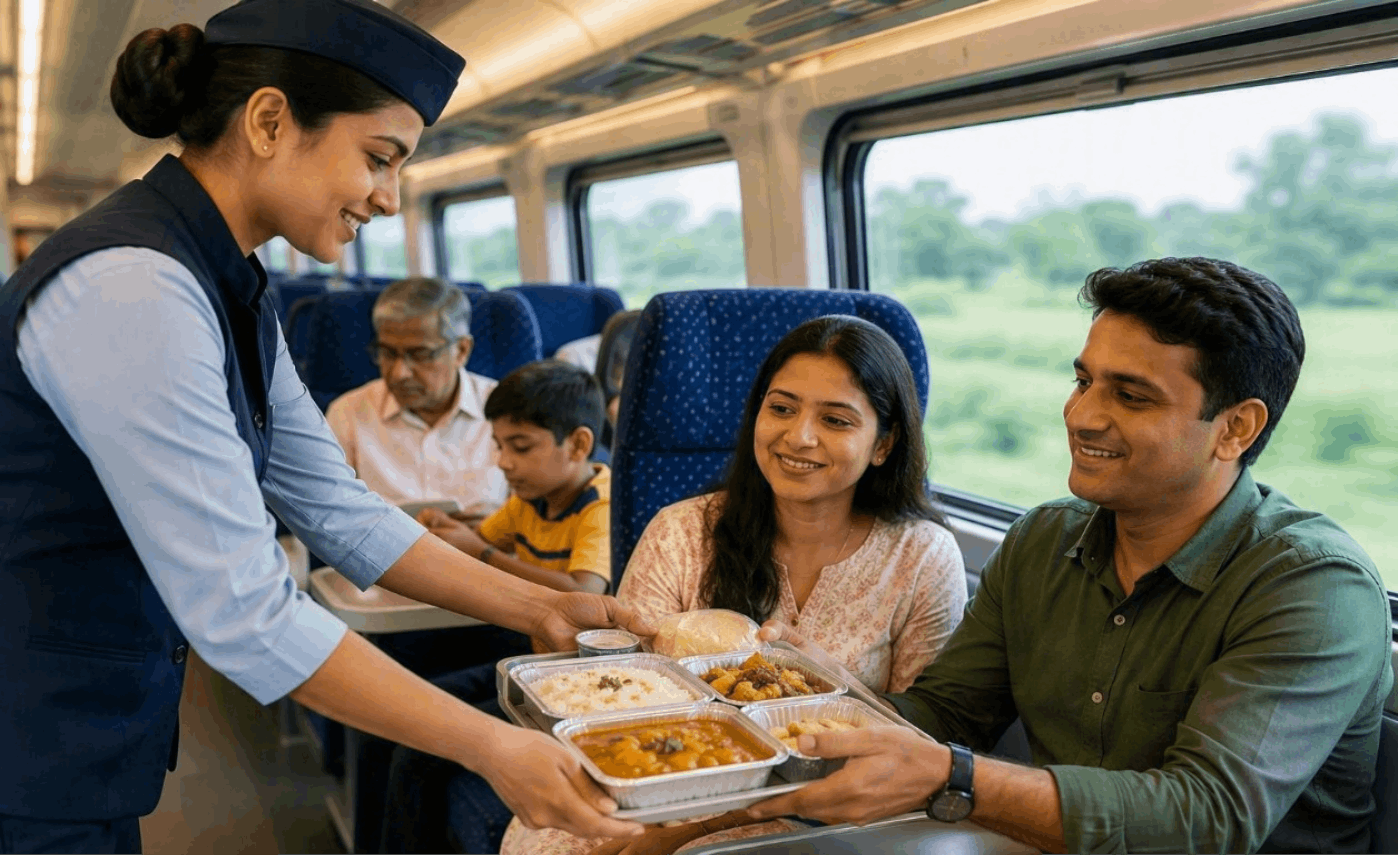
How Emerging Railway Food Services Are Improving the Passenger Experience
Indian railways food services have been witnessing a paradigm shift enabled...
Partners