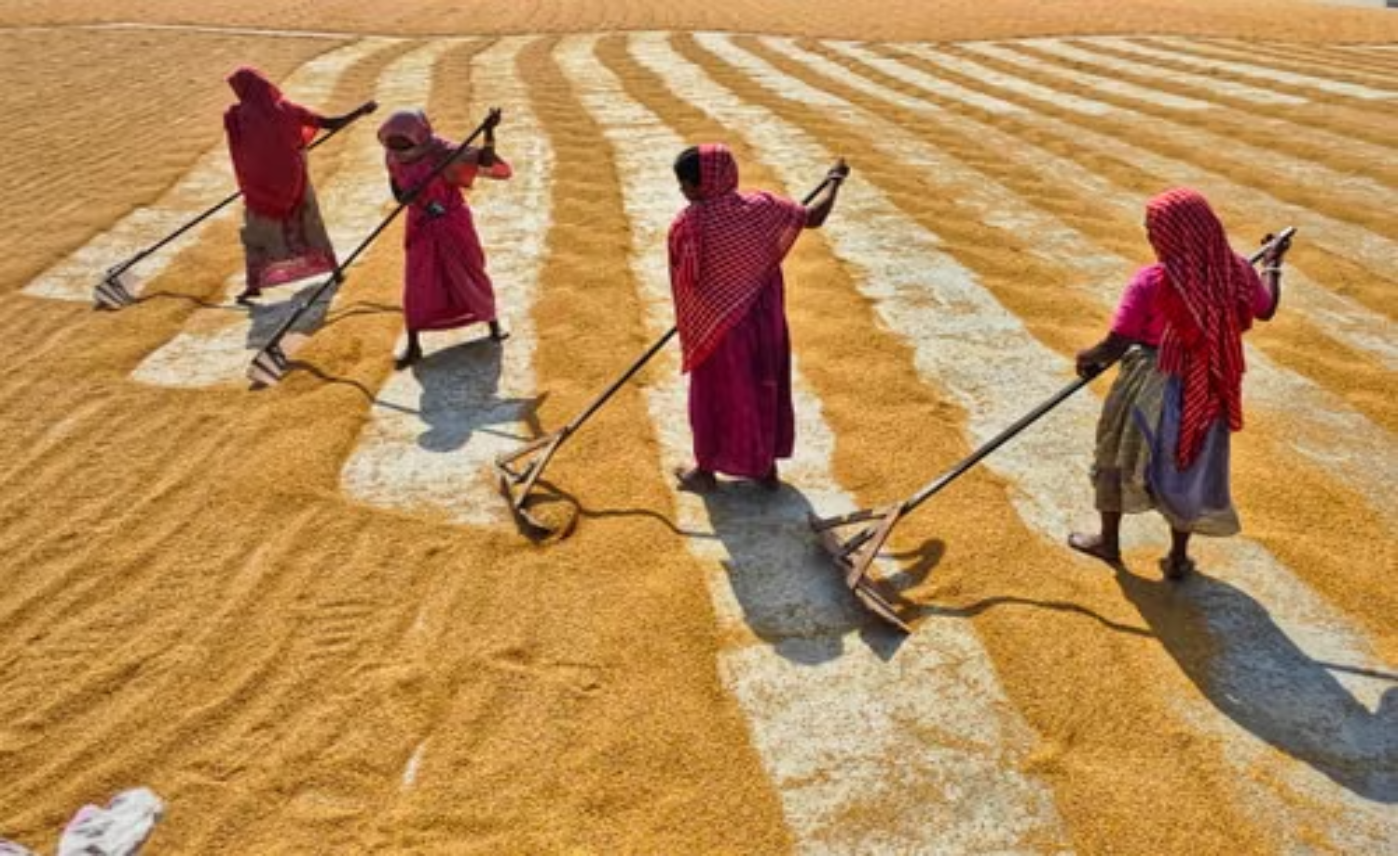
A World Bank study has revealed that nearly two-thirds of India's 120 crore population still live in rural areas. Most of the companies are steadily transforming their rural operations into viable profit centres. They have been devising ‘reach strategies’ which proved to be instrumental in selling to unsophisticated buyers in geographically dispersed locations.
Industry experts expect the next level of growth to come from smaller towns. India's rural population, accounting for about 12 per cent of the world's population, presents a huge, untapped market. Brands cannot afford to disregard vast opportunities rural India offers, taking into consideration the population density in such areas.
Almost 67 per cent of companies in India are expanding their presence in tier IV cities, says a study by Accenture, ‘Masters of Rural Markets: Profitably Selling to India’s Rural Consumers’. Since 2000, gross domestic product (GDP) has grown faster in rural India than in urban (at a 6.2 per cent compounded annual growth rate [CAGR] as against 4.7 per cent). The study revealed that between 2010 and 2012, spending in rural India was Rs. 3, 73, 566 crore (US$ 68.05 billion), while urban consumers spent Rs. 2, 97, 770 crore (US$ 54.25 billion). Improving business environment, better infrastructure and the growing number of consumers with higher disposable income are certain factors that are driving Indian rural markets.
About one-third of fast moving consumer goods (FMCG) and consumer durables are sold in rural markets, according to a Tata Strategic Management Group report.
Big companies are increasingly moulding their operations and strategies to woo consumers in Indian hinterlands as people residing in rural areas differ in terms of lifestyles, mind-sets and cultures.
Rural India- Government Initiatives
The Indian Government keeps making efforts to make economic development inclusive. It has initiated many schemes and programs that aim at improving the standard of living in India villages or rural areas. For instance, the government launched a time-bound business plan for action called Bharat Nirman for enhancing the infrastructure in hinterlands. Under this program, action is proposed in the areas of Water Supply, Housing, Telecommunication and Information Technology, Roads, Electrification and Irrigation.
Alongside, the ministry of Rural Development has introduced schemes that aim to incorporate a set of green objectives in its implementation and make delivery of green results a part of policy and guidelines.
Also, the Indian Government intends to bring banking at the doorstep of every rural household in the country. Bank executives are racing to sign-up villagers to new ‘no frills’ plan in order to achieve this target. The Government plans to directly transfer cash payments for subsidies into these accounts.
There is a lot of demand for skilled labour among Indian industries, and to fulfil the same, the Indian Government is targeting to train 500 million people by 2022 and is encouraging participation of entrepreneurs and private organisations in the space. While the Government is taking one step towards enhancing rural education, the rural India is also embracing online learning in a big way. Several corporate, government, and educational organisations are initiating numerous efforts to educate, train, and generate skilled workers. Job oriented vocational courses are also being offered online that empowers a student with a particular skill-set and a viable degree.
Rural Market - Road Ahead
Rural and semi-urban markets are witnessing strong demand for composite products and health insurance policies, more-so because of increasing awareness and Government initiatives. Bottom-of-the-pyramid products such as micro-insurance are gaining popularity day-by-day. Insurers are considering telecom franchisees, NGOs, regional rural banks, cooperatives, post offices and micro finance institutions as major channels to sell their products. They are even contemplating on an extensive rural-agent network for sale of insurance products and services.
Rural India buys 45 per cent of all branded soft drinks and 49 per cent of all motorcycles sold in the country. The Accenture report states that between 2009 and 2012, annual rural per capita consumption grew at 19 per cent, which was 2 per cent higher than the urban consumption. Meanwhile Nielsen estimates that the FMCG market in rural India will hit US$ 100 billion-mark by 2025, up from the current US$ 12 billion.
Another report by McKinsey Global Institute says that by 2025, annual real income per household in rural India will grow from the 2.8 per cent of the past two decades to 3.6 per cent over the next two decades.
Exchange Rate Used: INR 1= US$ 0.01822 as on May 17, 2013
References: Media Reports, Press Releases, Indian Government publications.